 +966 50 444 4872


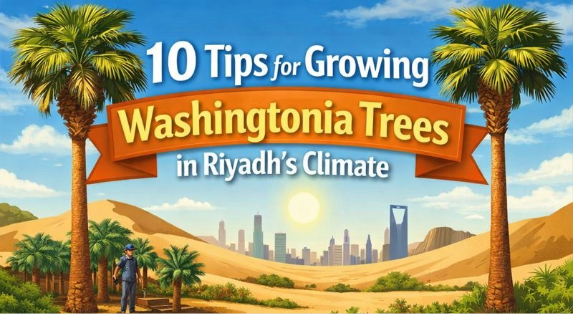
10 Tips for Growing Washingtonia Trees in Riyadh’s Climate
19 December, 2025
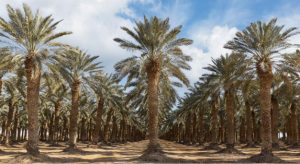
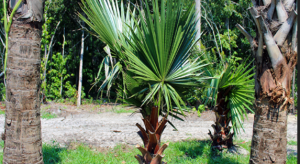
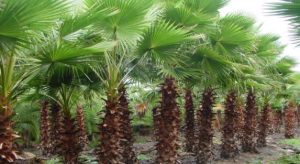
Washingtonia palms are iconic for their tall, elegant trunks and lush, fan-shaped leaves. Thriving in Riyadh’s desert environment requires careful planning, the right tree supplier, and consistent care. Sourcing your trees from a reputable Washingtonia tree supplier in Riyadh or Washingtonia tree supplier in Saudi Arabia ensures that you begin with healthy plants, capable of withstanding harsh conditions. The following ten tips provide a detailed guide for successfully growing Washingtonia palms in Riyadh.
1. Choose the Right Tree Supplier
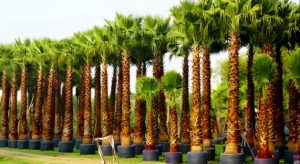
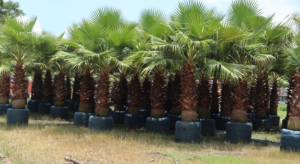
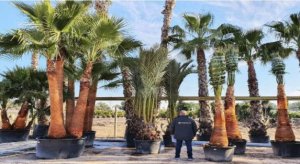
Selecting a reliable supplier is the foundation for growing healthy Washingtonia palms in Riyadh. Not all nurseries offer trees suited for desert conditions. A trusted Washingtonia tree supplier in Riyadh will provide palms with strong, well-developed root systems, free from pests and diseases. Many suppliers in Saudi Arabia specialize in desert-adapted varieties, making it easier to source resilient trees. Visiting the nursery allows you to inspect saplings for quality indicators, such as vibrant fronds, firm trunks, and no signs of yellowing or wilting.
Additionally, reputable suppliers often provide guidance on planting, fertilizing, and ongoing maintenance, ensuring your investment thrives. If importing trees from a Washingtonia tree supplier in Saudi Arabia, check for proper documentation, acclimatization procedures, and delivery support to avoid damage during transportation. Establishing a relationship with a reliable supplier not only guarantees healthy trees but also ensures that you have access to expert advice throughout the growth process. Many experienced suppliers can also recommend suitable palm varieties for Riyadh’s extreme temperatures, helping you select trees that will flourish in residential gardens, commercial spaces, or urban landscapes. In short, the first step to successful Washingtonia growth is choosing a supplier that combines quality stock with comprehensive support.
2. Select an Ideal Planting Location
The location you choose for planting Washingtonia palms significantly affects their growth and overall health. These palms thrive in full sun, which is abundant in Riyadh, but extreme desert heat and occasional sandstorms can pose challenges. Selecting a planting site with maximum sunlight exposure ensures strong trunk growth and healthy frond development. Avoid areas prone to water accumulation, as stagnant water can damage roots and increase the risk of fungal infections. It’s also essential to consider spacing. Washingtonia palms grow tall, often reaching 30 feet or more, with wide fronds that require ample room to spread without obstruction.
Placing them too close to buildings, walls, or other trees may stunt growth and reduce aesthetic appeal. Wind protection is another factor to consider, especially for young trees. Using temporary barriers or planting near existing structures can shield saplings from strong gusts and sand abrasion. Additionally, consider the soil conditions in the chosen location. While Washingtonia palms are adaptable, combining sunlight exposure with well-draining soil maximizes their potential. Planning the right location ensures that your palms have the space, sunlight, and protection needed to establish deep roots and flourish in Riyadh’s challenging climate. Strategic placement from the start reduces long-term maintenance issues and supports healthy, visually appealing growth.
3. Prepare the Soil Properly
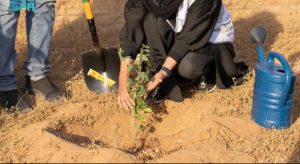
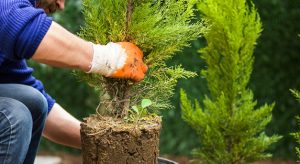
Healthy soil is the backbone of successful Washingtonia palm cultivation. Riyadh’s natural soil tends to be sandy, low in nutrients, and poor in water retention, which can hinder growth if left unamended. Before planting, mix organic matter such as compost, well-rotted manure, or peat moss into the soil. This not only enriches the soil with essential nutrients but also improves its structure, making it more capable of retaining moisture while ensuring proper drainage. Washingtonia palms do not thrive in waterlogged soil, so adequate drainage is critical. A slightly raised planting mound can help prevent water from pooling around the roots. Conducting a soil pH test is also advisable; Washingtonia palms prefer slightly acidic to neutral soils. Adjust the pH if necessary using garden lime or sulfur, depending on the test results. Adding a layer of mulch around the base of the tree helps regulate soil temperature, retain moisture, and reduce weed competition.
Mulching is especially beneficial in Riyadh, where extreme daytime heat can quickly dry out the soil. Proper soil preparation ensures that young palms establish deep roots, which are essential for surviving harsh desert conditions. Consulting with a Washingtonia tree supplier in Riyadh or a landscape professional can provide guidance on soil amendment ratios, helping you create an optimal growing environment. Well-prepared soil enhances nutrient uptake, supports steady growth, and reduces the risk of disease, making it a critical step in successfully cultivating Washingtonia palms in Riyadh.
4. Water Regularly but Wisely
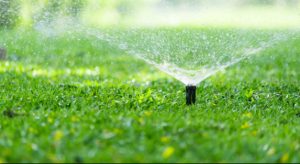
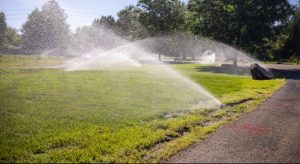
Water management is one of the most critical aspects of growing Washingtonia palms in Riyadh’s arid climate. Young palms require frequent, deep watering to establish strong root systems. Shallow or irregular watering can lead to stunted growth and weak fronds. For newly planted trees, water at least two to three times per week, ensuring that water penetrates deeply into the soil. As palms mature, they become more drought-tolerant but still benefit from periodic deep watering, especially during the scorching summer months when temperatures in Riyadh can exceed 45°C. Drip irrigation systems are ideal, as they deliver water directly to the root zone while minimizing evaporation. Avoid overhead watering during peak sunlight hours, which can scorch leaves and waste water.
Mulching around the base helps retain moisture and keeps the roots cooler, reducing stress on the tree during heatwaves. Monitoring soil moisture is essential; the top layer may dry quickly in Riyadh, but deeper layers should remain moist. Watering should always be balanced to prevent root rot, which can occur if water accumulates around the base. Consulting with a Washingtonia tree supplier in Saudi Arabia can provide specific watering schedules tailored to local conditions, tree age, and soil type. Proper water management ensures that Washingtonia palms develop healthy roots, lush fronds, and overall resilience, allowing them to thrive in Riyadh’s extreme desert environment.
5. Apply Fertilizer Appropriately
Proper fertilization is essential to ensure healthy growth and vibrant foliage for Washingtonia palms in Riyadh. The desert soil in the region is often deficient in key nutrients such as potassium, magnesium, and iron, which are critical for palm health. Using a slow-release palm-specific fertilizer ensures that nutrients are available over an extended period, supporting steady growth without overwhelming the plant. Young trees require fertilization every six to eight weeks, while mature palms benefit from quarterly applications. Be careful not to over-fertilize, as excessive nutrients can burn roots and damage fronds. When applying fertilizer, water the tree thoroughly before and after to prevent root burn and help nutrients penetrate the soil. For best results, follow the recommendations provided by your Washingtonia tree supplier in Riyadh or a Washingtonia tree supplier in Saudi Arabia, as they often offer guidance on appropriate fertilizer types and quantities.
Palm fertilizers enriched with micronutrients like manganese and boron can prevent yellowing leaves, a common issue in Riyadh’s high-heat climate. Incorporating organic fertilizers such as compost or well-rotted manure can also improve soil structure, enhancing water retention and supporting beneficial soil microbes. Fertilization not only promotes lush frond growth but also strengthens the trunk, enabling the tree to withstand strong winds and sandstorms common in Riyadh. By maintaining a balanced fertilization routine, you can ensure that your Washingtonia palms remain healthy, vibrant, and resilient in the challenging desert environment, providing both aesthetic appeal and shade for years to come.
6. Prune with Care
Pruning is an important practice to maintain both the appearance and health of Washingtonia palms. In Riyadh, where wind and sand can damage fronds, careful pruning helps prevent disease and promotes healthy growth. Remove only dead, damaged, or yellowing fronds, as over-pruning can weaken the tree. Washingtonia palms store nutrients in their fronds, and excessive removal may stunt growth or reduce resilience against harsh desert conditions. When pruning, use clean, sharp tools to avoid introducing pathogens into the tree. Cut fronds close to the trunk but avoid cutting into the crown bud, as this is the growing point from which new fronds emerge. Regular inspection of the palm allows you to detect issues early, such as insect infestations or fungal infections, which can sometimes be mistaken for natural dieback.
For young palms, removing lower fronds may improve air circulation and reduce the likelihood of fungal growth. For mature palms, occasional pruning enhances aesthetics and keeps the tree looking tidy, especially in landscaped gardens or commercial spaces. Consulting a Washingtonia tree supplier in Riyadh or a landscaping professional can help determine the best pruning schedule, ensuring optimal growth and minimizing the risk of damage. By pruning carefully and consistently, your Washingtonia palms will maintain their iconic shape, promote healthy foliage development, and remain strong against Riyadh’s intense heat, wind, and sand conditions.
7. Protect Against Pests and Diseases
Even though Washingtonia palms are hardy, they are susceptible to pests and diseases, particularly in extreme climates like Riyadh. Common pests include spider mites, scale insects, and palm weevils, while fungal infections such as Fusarium wilt can affect vulnerable trees. Regular inspection is crucial to catch problems early, as infestations can spread quickly and weaken the tree. Implement preventive measures such as cleaning fallen fronds and avoiding water accumulation around the base, which can attract pests and promote fungal growth. In case of infestation, use recommended treatments, including insecticidal soaps or neem oil for pests and appropriate fungicides for fungal issues.
Always follow instructions carefully to avoid harming the tree or surrounding plants. Sourcing your palms from a reputable Washingtonia tree supplier in Riyadh ensures that the trees are healthy from the start, reducing the likelihood of infestations. Additionally, maintaining proper nutrition and irrigation strengthens the tree’s natural defenses, making it less vulnerable to diseases. Establishing a regular care routine that includes monitoring, proper watering, and nutrient management creates a robust environment that minimizes stress and enhances resilience against pests and diseases. By prioritizing preventive care and timely treatment, you can ensure your Washingtonia palms remain healthy and visually striking, adding value and beauty to Riyadh gardens and commercial landscapes.
8. Provide Wind Protection
Riyadh experiences strong winds and occasional sandstorms that can damage young and mature Washingtonia palms. Wind can break fronds, damage trunks, and stress the tree, slowing growth and reducing aesthetic appeal. For newly planted palms, temporary windbreaks such as fences, mesh barriers, or nearby shrubs can provide protection until the roots establish firmly. Staking young trees is another effective method, but it should be done carefully to avoid damaging the trunk. Ensure stakes are removed once the tree is stable to allow natural trunk strengthening.
Even mature trees benefit from occasional wind protection, particularly during severe storms or extreme dust events. Planting palms in areas with some natural wind shielding, such as near walls, buildings, or taller trees, can also reduce wind stress. Monitoring the weather and applying preventive measures proactively is essential in Riyadh’s desert environment. A Washingtonia tree supplier in Saudi Arabia or local landscaping experts can provide guidance on appropriate wind protection strategies tailored to your garden layout and tree age. Protective measures not only safeguard physical growth but also reduce stress on the tree, promoting healthier fronds and a stronger trunk. By mitigating wind damage, your Washingtonia palms can flourish beautifully, maintaining their elegant form and thriving even in Riyadh’s challenging desert climate.
9. Monitor Temperature Stress
Washingtonia palms are heat-tolerant but can experience stress under prolonged extreme temperatures, common in Riyadh’s desert climate. Leaf scorching, stunted growth, or yellowing fronds are signs of heat stress. Mulching around the base helps regulate soil temperature and retain moisture, preventing root overheating. Providing shade during peak heat, especially for young trees, can minimize stress and promote healthy frond development. Adequate watering is also critical during extreme temperatures, as water scarcity increases stress.
Observing the tree regularly helps identify early signs of stress, enabling timely intervention. Additionally, planting in areas with slight airflow can improve cooling and reduce the risk of fungal growth. Fertilization with balanced nutrients strengthens the tree’s resilience, making it more capable of coping with high temperatures. Partnering with a Washingtonia tree supplier in Riyadh ensures you have access to advice on climate-specific care, including the best watering and mulching practices. By proactively monitoring temperature stress and implementing preventive measures, your Washingtonia palms will maintain strong growth, lush fronds, and an overall healthy appearance, even under Riyadh’s intense desert heat.
10. Plan for Long-Term Growth
Washingtonia palms grow rapidly, often reaching impressive heights, making long-term planning essential. Consider the mature size of the tree and ensure sufficient spacing from buildings, walls, and other plants. Planning placement carefully prevents overcrowding, ensures sunlight access, and maintains aesthetic appeal. Collaborating with a knowledgeable Washingtonia tree supplier in Riyadh or Washingtonia tree supplier in Saudi Arabia helps select the right variety and size suitable for your garden or commercial landscape. Anticipate future growth by evaluating irrigation needs, nutrient requirements, and wind exposure.
Regular maintenance, including watering, pruning, and fertilization, ensures the tree continues to thrive for decades. Strategic planning also helps integrate palms into larger landscape designs, creating a balanced, visually appealing environment. Long-term growth planning ensures that your investment in Washingtonia palms provides lasting beauty, shade, and environmental benefits, making them a valuable addition to Riyadh’s gardens and urban spaces.
Conclusion
Growing Washingtonia trees in Riyadh requires careful attention to supplier selection, planting, care, and long-term planning. Sourcing trees from a trusted Washingtonia tree supplier in Riyadh or Washingtonia tree supplier in Saudi Arabia provides a strong foundation for success. By following these ten detailed tips—covering soil preparation, irrigation, fertilization, pruning, pest control, wind protection, and growth planning—you can ensure your palms flourish in Riyadh’s challenging desert environment. With proper care, Washingtonia palms will provide beauty, shade, and long-lasting value for any landscape project.
- Fountain and Waterfalls
- Gardening
- hardscape
- Irrigation system
- Landscape
- Lawn
- Nursery
- Palm Tree
- Plantation and Maintenance
- softscape
- Tree Transplanting
- Washingtonian Tree
Categories
Latest Post

 .
.






















- Fountain and Waterfalls
- Gardening
- hardscape
- Irrigation system
- Landscape
- Lawn
- Nursery
- Palm Tree
- Plantation and Maintenance
- softscape
- Tree Transplanting
- Washingtonian Tree