 +966 50 444 4872


The Role of Softscape in Creating Eco-Friendly Urban Spaces in Saudi Arabia
17 July, 2025
Introduction: Softscape and the New Face of Urban Sustainability in Saudi Arabia
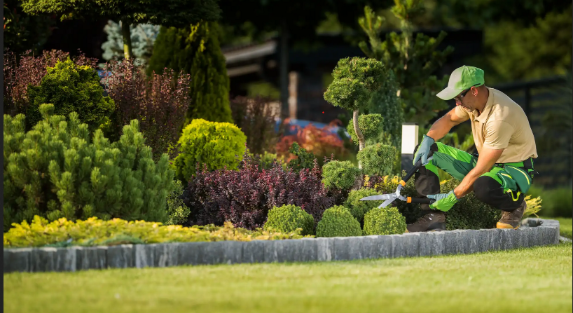
As Saudi Arabia embarks on its ambitious Vision 2030, the emphasis on transforming urban landscapes is stronger than ever. In the midst of rapid industrialization, concrete infrastructures, and high-tech megacities, there’s an urgent call to balance development with environmental consciousness. This is where softscape landscaping in Saudi Arabia comes into play. It’s not merely about planting a few trees or adding decorative shrubs. Instead, softscape is a critical part of green infrastructure that serves ecological, aesthetic, and social functions.
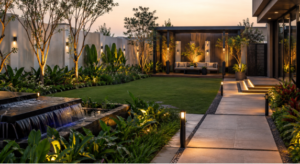
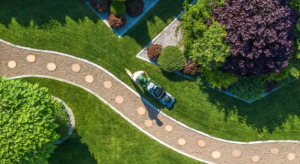
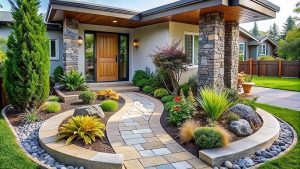
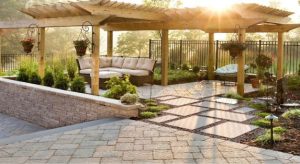
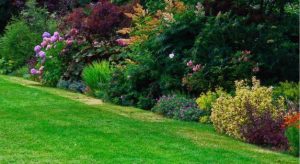
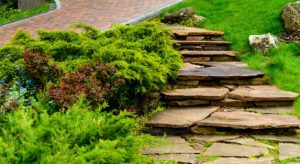
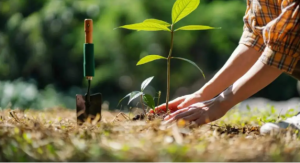
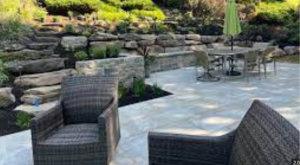
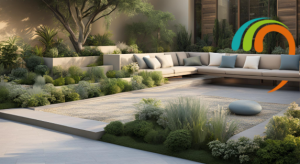
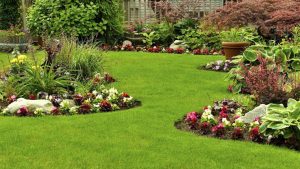
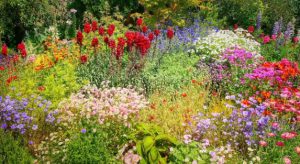
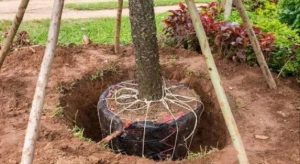
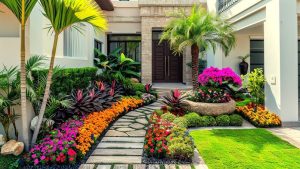
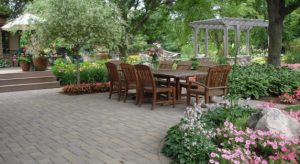
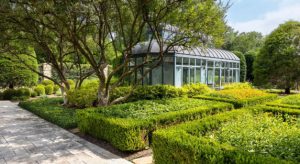
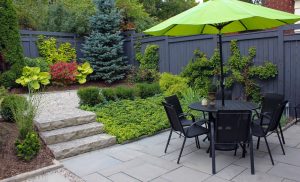
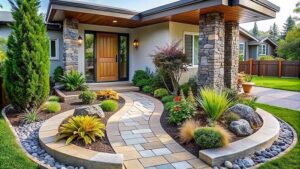
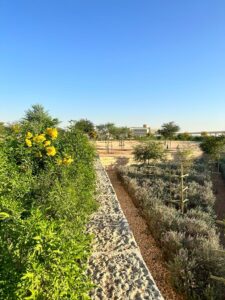
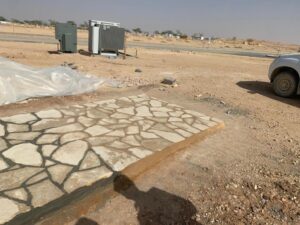
Softscape refers to the living elements in landscaping — plants, grass, flowers, shrubs, soil, and trees — as opposed to hardscape features like walls, pavements, and patios. In the desert climate of Saudi Arabia, softscaping takes on a unique and strategic dimension. With challenges such as water scarcity, extreme temperatures, and poor soil conditions, implementing softscape effectively requires innovative design, native plant selections, and eco-friendly irrigation techniques.
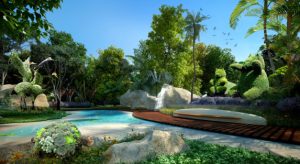
Cities like Riyadh, Jeddah, Dammam, and NEOM are already seeing a shift toward softscape integration in urban planning. From residential communities to public parks and commercial hubs, green living is slowly becoming a norm. More than just improving visual appeal, softscape landscaping in Saudi Arabia contributes significantly to climate resilience, air purification, and the mental well-being of residents.
In this article, we will explore how softscaping is helping build eco-friendly urban environments across Saudi Arabia. From reducing urban heat and conserving water to improving public health and supporting biodiversity, softscaping plays a crucial role in the Kingdom’s green transformation. It’s no longer an option; it’s a necessity for sustainable living in the desert.
Cooling the Concrete Jungle: How Softscaping Reduces Urban Heat Islands
One of the most pressing challenges in modern urban development is the Urban Heat Island (UHI) effect. In simple terms, cities tend to be significantly warmer than surrounding rural areas due to dense infrastructure, asphalt roads, and minimal vegetation. For countries like Saudi Arabia, where summer temperatures can soar above 50°C, this phenomenon adds to the strain on energy resources, particularly for air conditioning. Here, softscape landscaping in Saudi Arabia becomes a crucial cooling mechanism.
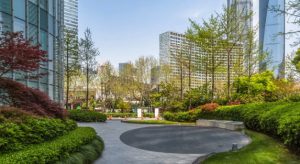
The presence of trees, grass, and plants helps regulate temperature through shade and evapotranspiration. Trees block direct sunlight from hitting buildings and streets, while plants release moisture into the air, naturally cooling the surroundings. By integrating greenery in parks, residential complexes, and along roadways, cities like Riyadh and Al Khobar are witnessing notable improvements in thermal comfort.
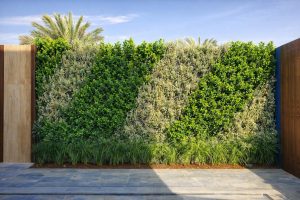
Moreover, urban planners are now emphasizing vertical gardens and green rooftops as part of the softscape strategy. These additions not only reduce internal building temperatures but also improve insulation, thus cutting down on electricity usage. For instance, a rooftop covered in greenery can be 20–30 degrees cooler than a traditional concrete roof.
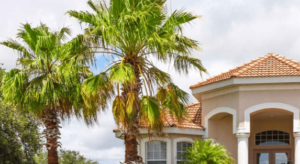
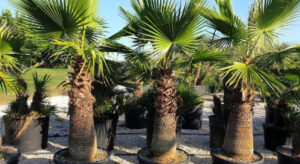
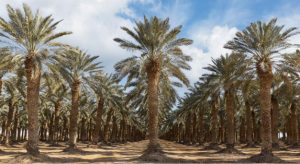
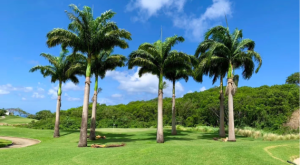
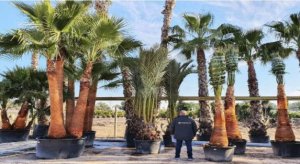
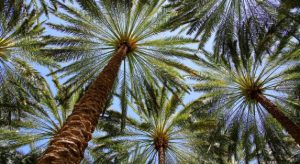
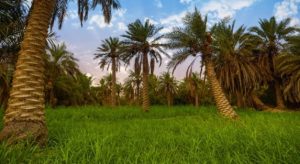
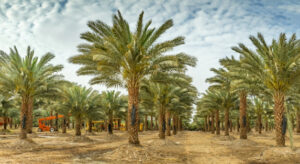
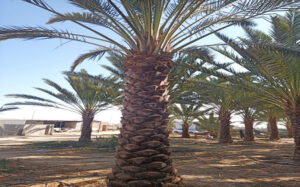
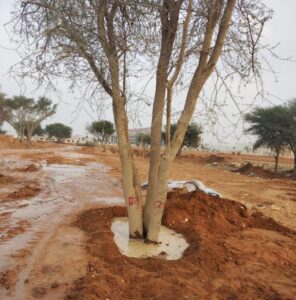
Local governments and private developers are encouraged to incorporate drought-tolerant plants, such as date palms, acacia, and ghaf trees, which thrive in arid conditions and require minimal watering. This selective plantation supports both sustainability and heat management.
With increasing global temperatures and environmental concerns, eco-friendly softscape landscaping in Saudi Arabia offers a long-term solution for reducing heat stress in urban areas. It is a smart, natural alternative to energy-intensive cooling systems and a foundational element in climate-responsive city planning.
Water-Wise Landscaping: Conserving Resources Through Sustainable Design
Water scarcity has always been a major environmental challenge in Saudi Arabia. With limited rainfall and over-dependence on desalinated water, landscaping practices must be not only aesthetically pleasing but also water-efficient. This is where water-wise softscape landscaping in Saudi Arabia becomes a revolutionary approach.
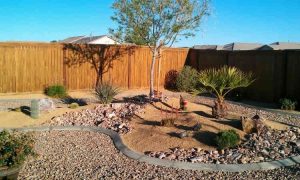
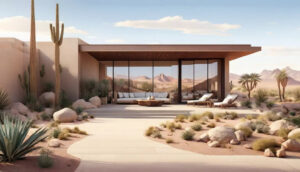
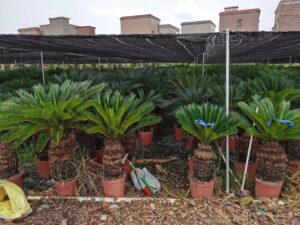
Modern softscaping in the Kingdom prioritizes xeriscaping — a form of landscaping that reduces or eliminates the need for supplemental water. The use of native and drought-resistant plants plays a central role here. Species like Ziziphus, Desert Rose, and Bougainvillea are ideal choices as they adapt well to the harsh desert climate and require minimal irrigation.
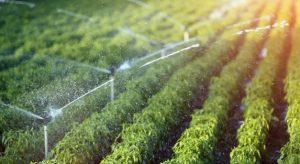
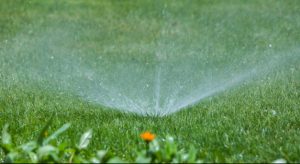
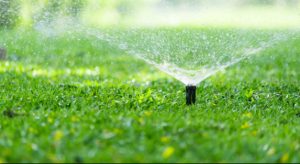
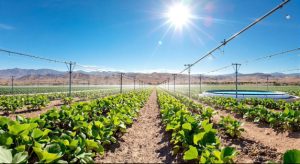
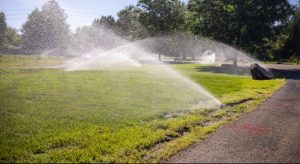
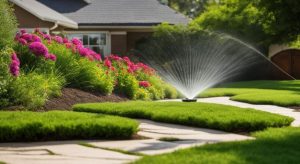
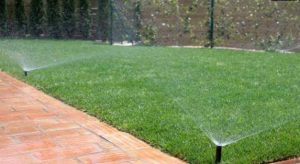
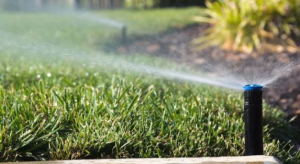
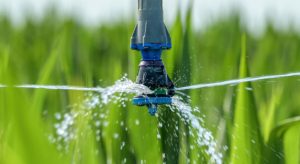
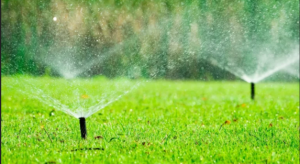
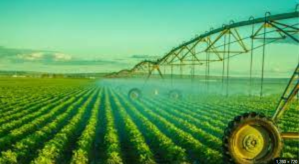
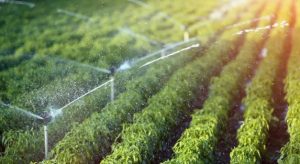
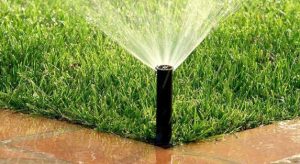
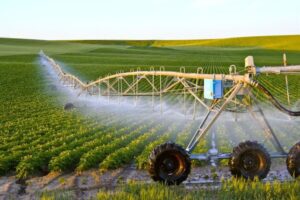
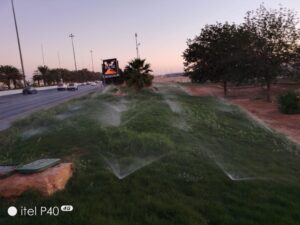
Another critical component is efficient irrigation systems, especially drip irrigation. This system delivers water directly to the plant's root zone, minimizing evaporation and runoff. Compared to traditional sprinkler systems, drip irrigation saves up to 60% of water — a game changer in a water-stressed region.
The incorporation of organic mulch around plant beds is also widely used. Mulch helps retain soil moisture, regulate temperature, and reduce weed growth. In addition, soil amendments and composting techniques improve water absorption and fertility without relying on chemical fertilizers.
Rainwater harvesting systems, though still in the early adoption phase, are gaining momentum in large residential and commercial projects. Collected rainwater can be stored and used for irrigation, reducing the burden on municipal water supplies.
In essence, sustainable softscape landscaping in Saudi Arabia is about more than just greenery; it’s about aligning urban development with the Kingdom’s natural ecosystem. By adopting water-conserving strategies, Saudi Arabia is not only enhancing its green spaces but also setting a benchmark for sustainable landscaping in arid regions worldwide.
Mental and Social Benefits: Creating Healthier Urban Communities
Softscape landscaping does more than just beautify cityscapes — it deeply influences the physical and emotional well-being of individuals. In Saudi Arabia, where modern life often revolves around indoor air-conditioned spaces, the presence of thoughtfully designed outdoor green areas has become increasingly essential. From reducing stress to promoting community interaction, the social role of softscape landscaping in Saudi Arabia cannot be overstated.
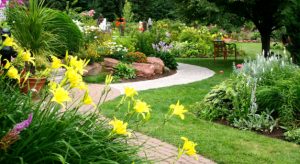
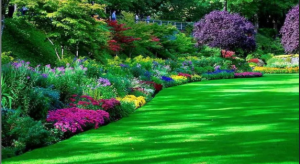
Green areas such as parks, community gardens, and even softscaped walkways offer residents a place to relax, unwind, and connect with nature. Exposure to greenery has been scientifically proven to lower cortisol levels (the stress hormone), improve mood, and even enhance cognitive function. For families, these spaces become vital for children’s development and for the elderly to stay active and engaged.
In densely populated urban areas like Jeddah and Riyadh, where vertical living is common, the integration of softscape on rooftops, balconies, and courtyards allows residents to have their private slice of nature. These spaces offer therapeutic benefits and support mental well-being — especially in a fast-paced society driven by technology and work pressures.
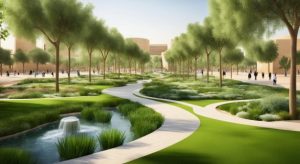
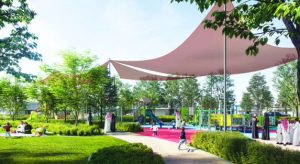
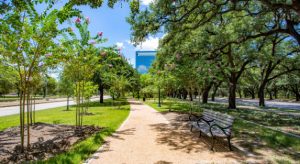
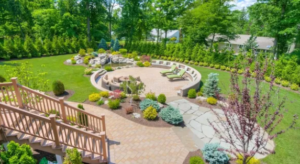
From a community standpoint, softscape encourages social interactions. Landscaped parks, shaded benches, and walking trails foster a sense of belonging and bring people from different backgrounds together. In newly developed urban spaces, incorporating softscape design promotes inclusivity and contributes to a higher quality of life.
Hospitals, schools, and even workplaces are now embracing green zones as part of their design ethos. Healing gardens in healthcare settings, for instance, aid in faster recovery and reduced anxiety levels among patients.
Ultimately, softscape landscaping in Saudi Arabia is not just an environmental or aesthetic choice — it’s a tool for building healthier, happier communities that thrive on human connection and natural harmony.
Government Initiatives and Future Outlook: Saudi Arabia’s Green Commitment
The rise of softscape landscaping in Saudi Arabia aligns closely with the government’s strategic sustainability goals. Through projects like the Saudi Green Initiative (SGI) and Riyadh Green Program, the Kingdom is aiming to combat climate change, increase urban green spaces, and significantly reduce carbon emissions. These initiatives are not just visionary — they’re actionable, with clear targets and substantial investments.
The SGI, for instance, plans to plant 10 billion trees across the country, with millions earmarked for urban environments. This unprecedented effort is designed to increase vegetation cover, improve air quality, and fight desertification. Riyadh alone is set to plant 7.5 million trees under the Riyadh Green Project, transforming the capital into one of the most sustainable cities in the world.
Government regulations are also promoting eco-friendly softscape landscaping standards for residential, commercial, and public infrastructure projects. New building codes now encourage green rooftops, rainwater harvesting, and native plant usage. Moreover, municipalities are allocating funds for training landscape architects, promoting green jobs, and educating the public on sustainable gardening practices.
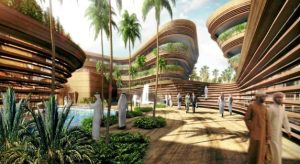
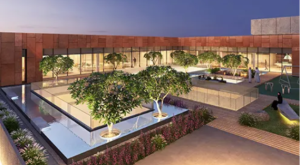
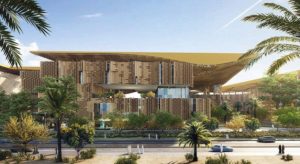
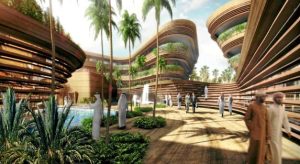
Smart cities like NEOM and The Line further exemplify futuristic softscape integration. These developments are designed with zero-carbon goals, where nature and innovation coexist. Their masterplans include extensive softscaped areas that blend modern living with environmental stewardship.
Looking ahead, the demand for softscaping services is expected to surge as both private and public sectors invest in green infrastructure. With advancements in irrigation technology, increased awareness, and government backing, softscape landscaping in Saudi Arabia will play a critical role in shaping eco-conscious urban lifestyles for generations to come.
Challenges in Implementation: Navigating the Harsh Climate and Resource Constraints
While the potential of softscape landscaping in Saudi Arabia is undeniable, the journey to green transformation is not without obstacles. The country’s environmental conditions, resource limitations, and lack of specialized workforce present a series of challenges that must be addressed strategically.
1. Extreme Weather and Soil Conditions
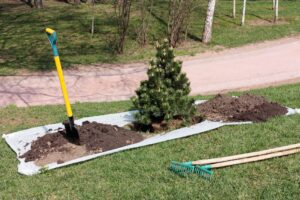
Saudi Arabia’s desert climate brings scorching heat, high evaporation rates, and minimal rainfall. Soil salinity and poor organic matter further complicate plant growth. These factors make it difficult to establish and maintain thriving softscapes without intervention. Overcoming these issues requires heavy investments in soil conditioning, composting, and the use of salt-tolerant plant varieties.
2. Water Scarcity and Dependence on Desalination
With freshwater being one of the scarcest resources, softscape planning must be water-efficient. However, despite the use of drip irrigation and xeriscaping techniques, many still rely heavily on desalinated water, which is costly and energy-intensive. Encouraging alternative water sources like treated wastewater or rainwater harvesting is essential to long-term sustainability.
3. Lack of Awareness and Skilled Workforce
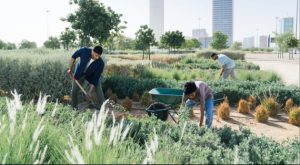
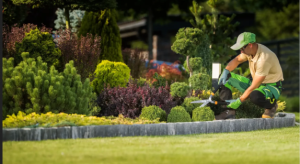
Softscape landscaping demands specific expertise — from selecting climate-appropriate plants to designing irrigation systems and maintaining soil health. Unfortunately, there is a shortage of skilled horticulturists and landscape architects familiar with sustainable practices tailored to arid environments. The industry also faces challenges in training local talent and raising awareness among the general public and private developers.
4. High Initial Costs and Long-Term Maintenance
Eco-friendly landscaping may have higher upfront costs due to design, plant procurement, and irrigation installation. Maintenance, especially in the early stages, can be labor-intensive and require careful monitoring. Balancing aesthetics, functionality, and budget is a delicate task for municipalities and developers alike.
Addressing these challenges through education, policy reforms, and innovation will be crucial to advancing softscape landscaping in Saudi Arabia as a viable and long-term green solution.
Conclusion: Building Greener Futures with Softscape Landscaping
As Saudi Arabia strides toward its Vision 2030 goals, sustainability is no longer an optional feature of development — it is the very foundation of progress. In this transformative journey, softscape landscaping in Saudi Arabia stands tall as a silent yet powerful force reshaping the nation’s urban fabric. From cooling our cities and saving precious water to healing our minds and building social connections, softscape elements are playing a multi-dimensional role in creating eco-conscious communities.
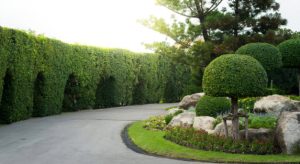
Urban spaces are evolving. No longer just places to live or work, they are becoming vibrant ecosystems that nurture both the environment and the human spirit. The rise of green corridors, shaded walkways, native gardens, and rooftop oases signals a deeper understanding — that true progress respects nature, values wellness, and embraces sustainability.
The commitment shown by the government, especially through initiatives like the Saudi Green Initiative and the Riyadh Green Project, sets a powerful precedent. Meanwhile, architects, developers, and everyday citizens are recognizing the value of integrating living landscapes into every corner of our cities.
Still, the road ahead requires continued innovation, collaboration, and a shift in mindset. Whether you’re a homeowner designing your backyard or a policymaker envisioning a smart city, adopting eco-friendly softscape landscaping in Saudi Arabia is an investment in a healthier, more harmonious future.
Together, by greening the desert — one plant, one park, one community at a time — we can turn the vision of a sustainable Saudi Arabia into a beautiful, blooming reality.
- Fountain and Waterfalls
- Gardening
- hardscape
- Irrigation system
- Landscape
- Lawn
- Nursery
- Palm Tree
- Plantation and Maintenance
- softscape
- Tree Transplanting
- Washingtonian Tree
Categories
Latest Post
 .
.












- Fountain and Waterfalls
- Gardening
- hardscape
- Irrigation system
- Landscape
- Lawn
- Nursery
- Palm Tree
- Plantation and Maintenance
- softscape
- Tree Transplanting
- Washingtonian Tree