 +966 50 444 4872


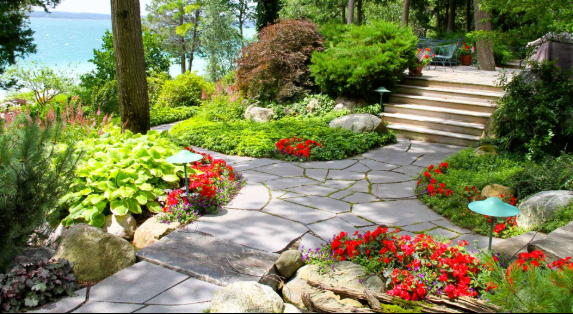
Future of Hardscape Landscaping Design in Saudi Arabia
29 December, 2025
Introduction: The Rising Significance of Hardscape Landscaping in Saudi Arabia
The future of hardscape landscaping design in Saudi Arabia is closely linked to the Kingdom’s rapid urbanization, large-scale infrastructure investments, and evolving expectations around outdoor living and public spaces. As Saudi Arabia advances toward its Vision 2030 goals, landscaping is no longer treated as a decorative afterthought. Instead, it has become a strategic component of urban planning, real estate development, and lifestyle enhancement. Within this transformation, hardscape landscaping plays a central role by providing durable, functional, and aesthetically structured outdoor environments.
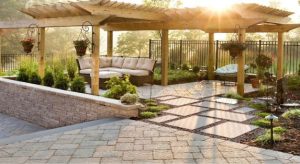
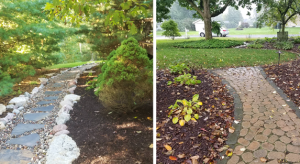
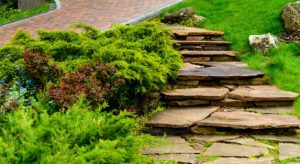
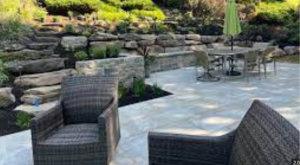
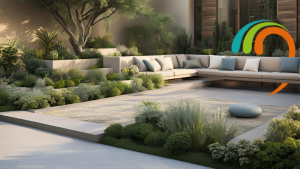
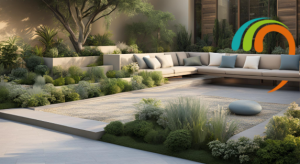
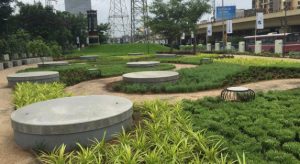
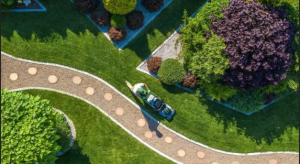
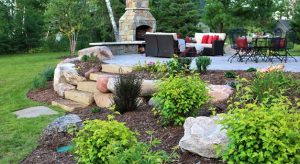
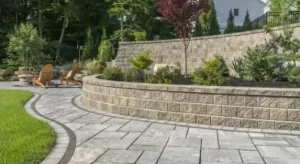
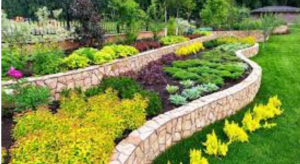
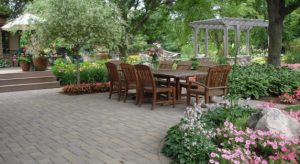
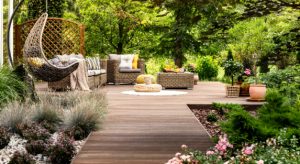
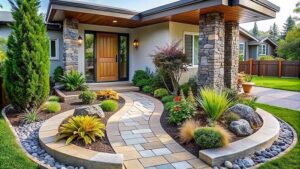
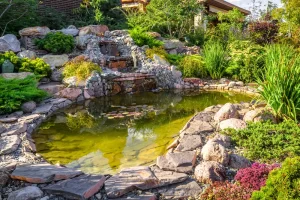
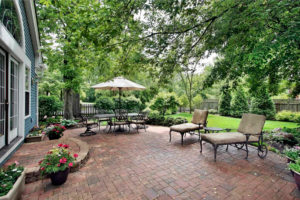
Hardscape elements such as pathways, plazas, retaining walls, seating areas, pergolas, water features, and paved courtyards are essential in Saudi Arabia’s arid climate. Unlike softscape elements that require significant irrigation and maintenance, hardscape structures offer long-term stability and usability even under extreme weather conditions. This makes them particularly valuable for residential compounds, commercial complexes, hospitality developments, and public infrastructure projects.
The increasing scale and complexity of developments have also elevated expectations from design professionals. A modern hardscape landscaping design company in Riyadh is now expected to deliver not only visually appealing layouts but also climate-responsive, sustainable, and regulation-compliant solutions. Developers and government entities demand designs that enhance usability, manage heat, support pedestrian movement, and align with cultural and architectural identities.
As Saudi cities expand and diversify, the future of hardscape landscaping design will be shaped by innovation, sustainability, and integration with smart urban systems. Understanding this evolving landscape is essential for stakeholders aiming to create resilient and future-ready outdoor environments across the Kingdom.
Vision 2030 and Urban Development Shaping Hardscape Landscaping
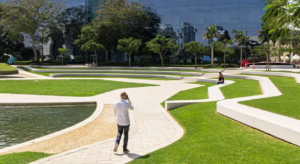
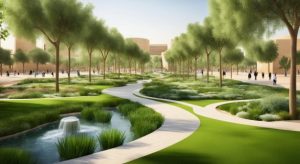
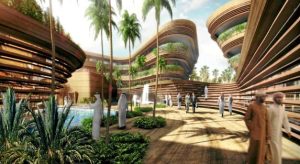
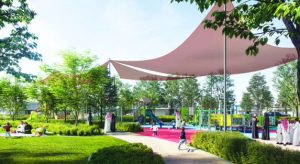
Saudi Arabia’s Vision 2030 has become a major catalyst for the growth of hardscape landscaping design in Saudi Arabia. Mega developments such as NEOM, Qiddiya, Diriyah Gate, and the Red Sea Project are redefining urban living, tourism, and public spaces. These projects place strong emphasis on outdoor environments that are functional, pedestrian-friendly, and visually iconic. Hardscape landscaping forms the foundation of these spaces by structuring movement, defining zones, and supporting large-scale public use.
Urban densification and mixed-use developments are increasing the demand for well-planned hardscape solutions. Public plazas, promenades, walkways, and civic spaces require materials and designs that can withstand heavy foot traffic, high temperatures, and long-term exposure to the elements. As a result, hardscape landscaping is becoming more engineered, data-driven, and performance-focused.
A professional hardscape landscaping design company in Riyadh plays a vital role in translating master plans into practical outdoor environments. Designers must consider circulation patterns, accessibility, safety, and integration with surrounding architecture. Hardscape elements are increasingly used to create social interaction zones, shaded gathering spaces, and outdoor dining areas that support lifestyle-oriented urban planning.
Looking ahead, urban development policies will continue to push hardscape landscaping toward multifunctionality. Designs will be expected to serve recreational, cultural, and environmental purposes simultaneously. This shift positions hardscape landscaping as a critical discipline within Saudi Arabia’s broader urban transformation strategy.
Climate-Responsive and Sustainable Hardscape Landscaping Design
Sustainability will define the future of hardscape landscaping design in Saudi Arabia, particularly in response to the Kingdom’s harsh climate and water conservation priorities. With extreme heat, limited rainfall, and increasing environmental awareness, hardscape solutions must be designed to minimize heat absorption, reduce water dependency, and improve thermal comfort in outdoor spaces.
Modern hardscape landscaping emphasizes the use of light-colored, heat-reflective materials that reduce surface temperatures. Permeable paving systems are gaining popularity as they improve drainage, reduce surface runoff, and contribute to environmental sustainability. Locally sourced stone and recycled materials are also being adopted to reduce carbon footprints and support sustainable construction practices.
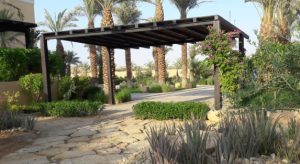
A forward-looking hardscape landscaping design company in Riyadh must integrate sustainability into every stage of design and execution. This includes selecting durable materials with low maintenance requirements, designing efficient drainage systems, and coordinating hardscape layouts with minimal softscape irrigation needs. Shade structures, pergolas, and integrated seating areas are increasingly designed as part of the hardscape to improve usability during hot weather.
As environmental regulations and sustainability standards continue to evolve, clients will prioritize landscaping solutions that demonstrate long-term environmental responsibility. Sustainable hardscape landscaping is no longer optional—it is becoming a core requirement for both public and private sector projects across Saudi Arabia.
Integration of Technology and Smart Hardscape Solutions
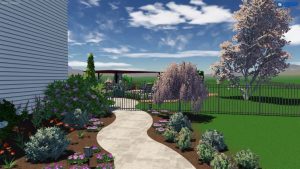
Technology is set to transform hardscape landscaping design in Saudi Arabia by improving design accuracy, construction efficiency, and long-term management. Advanced tools such as 3D modeling, Building Information Modeling (BIM), and virtual reality are now widely used to visualize hardscape layouts before construction begins. These tools help clients understand spatial relationships, material choices, and functionality, reducing costly revisions during execution.
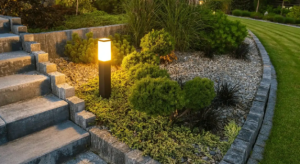
Smart hardscape solutions are also gaining traction. Integrated lighting systems, sensor-based controls, and automated maintenance features are becoming common in large-scale projects. Pathways and plazas are now designed to accommodate smart lighting, security infrastructure, and utility access without compromising aesthetics. This integration enhances safety, energy efficiency, and user experience.
A modern hardscape landscaping design company in Riyadh must possess both design creativity and technical expertise. The ability to coordinate hardscape elements with electrical, drainage, and smart city infrastructure is increasingly critical. Technology also enables better monitoring of wear and tear, allowing facility managers to plan maintenance proactively.
As Saudi Arabia moves toward smart cities and digitally connected environments, hardscape landscaping will evolve beyond static construction. It will become an interactive, intelligent component of urban infrastructure that supports connectivity, sustainability, and long-term performance.
Evolving Aesthetics and Cultural Identity in Hardscape Design
The future of hardscape landscaping design in Saudi Arabia will reflect a balance between modern design trends and cultural heritage. While contemporary developments favor clean lines, minimalism, and structured layouts, there is growing emphasis on incorporating local identity into outdoor spaces. Traditional geometric patterns, natural stone textures, and architectural references inspired by Islamic design are being reinterpreted in modern hardscape applications.
This fusion creates outdoor environments that feel authentic while meeting modern functionality standards. Courtyards, walkways, and seating areas are designed to encourage social interaction, privacy, and comfort—values deeply rooted in Saudi culture. In hospitality and tourism projects, hardscape landscaping is increasingly used to create immersive environments that enhance guest experience.
A skilled hardscape landscaping design company in Riyadh must understand cultural sensitivities, spatial hierarchy, and local aesthetics. Design decisions must align with both client expectations and regional identity. This approach adds emotional and cultural value to hardscape projects, distinguishing them from generic international designs.
As Saudi Arabia positions itself as a global destination for tourism and investment, culturally informed hardscape landscaping will play a key role in shaping distinctive and memorable outdoor spaces.
Growing Demand for Specialized Hardscape Landscaping Companies
The increasing scale and complexity of projects are driving strong demand for experienced hardscape landscaping design companies in Riyadh and across Saudi Arabia. Clients now seek specialized firms capable of delivering integrated design, engineering, and execution services. This shift reflects a move away from fragmented project delivery toward turnkey solutions that ensure quality, accountability, and efficiency.
Future clients will prioritize companies with proven expertise in large-scale developments, regulatory compliance, and sustainable practices. Strong project management capabilities, material knowledge, and coordination with architects and engineers will be essential differentiators. Maintenance planning and lifecycle cost analysis are also becoming key selection criteria.
As expectations rise, professional hardscape landscaping companies will play a strategic role in shaping Saudi Arabia’s urban and outdoor environments. Their contribution will extend beyond aesthetics to include safety, sustainability, and long-term performance.
Conclusion: Hardscape Landscaping as a Pillar of Saudi Arabia’s Future Cities
The future of hardscape landscaping design in Saudi Arabia is defined by innovation, sustainability, cultural integration, and technological advancement. As the Kingdom continues its ambitious development journey, hardscape landscaping will remain a foundational element in creating resilient, functional, and visually compelling outdoor spaces.
By partnering with a professional hardscape landscaping design company in Riyadh, developers and institutions can ensure that their projects align with future demands and national development goals. Hardscape landscaping is no longer a supporting feature—it is a strategic pillar of Saudi Arabia’s evolving urban identity.
- Fountain and Waterfalls
- Gardening
- hardscape
- Irrigation system
- Landscape
- Lawn
- Nursery
- Palm Tree
- Plantation and Maintenance
- softscape
- Tree Transplanting
- Washingtonian Tree
Categories
Latest Post
 .
.













- Fountain and Waterfalls
- Gardening
- hardscape
- Irrigation system
- Landscape
- Lawn
- Nursery
- Palm Tree
- Plantation and Maintenance
- softscape
- Tree Transplanting
- Washingtonian Tree