 +966 50 444 4872


How to Maintain Softscape Landscaping in Saudi Arabia
23 June, 2025
Introduction: Understanding Softscape Landscaping in Saudi Arabia
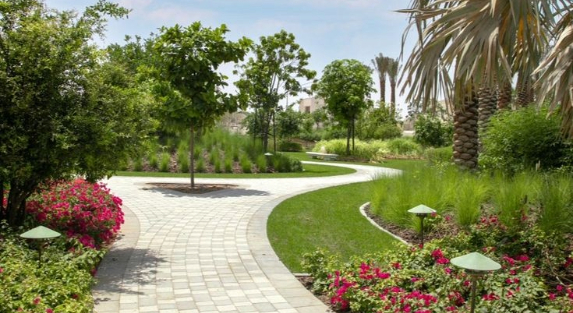
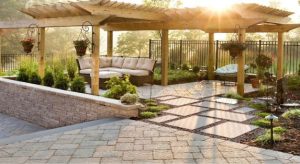
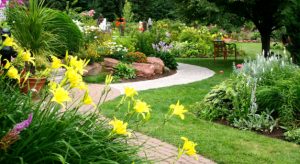
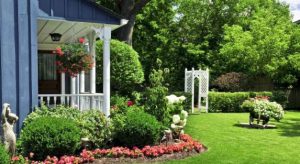
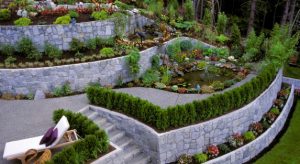
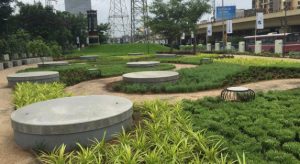
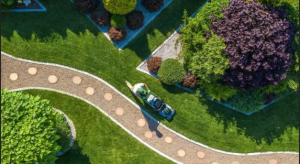
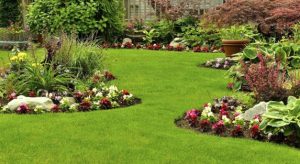
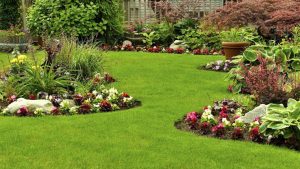
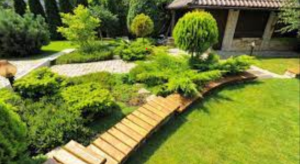
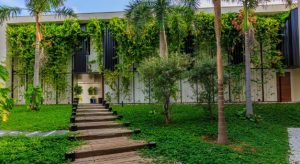
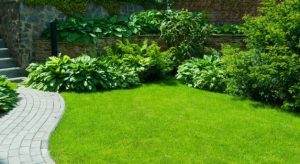
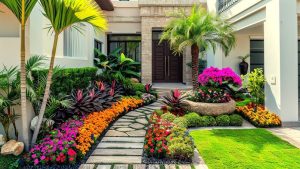
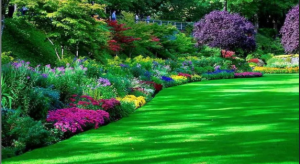
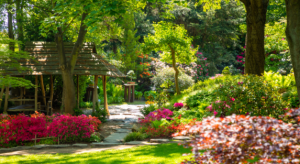
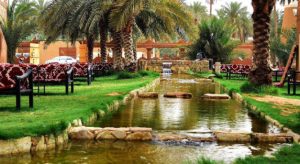
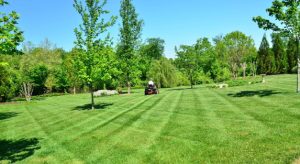
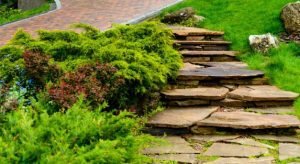
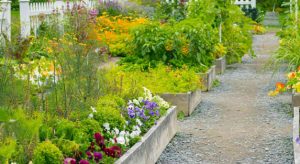
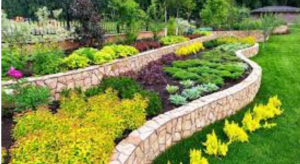
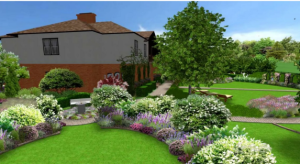
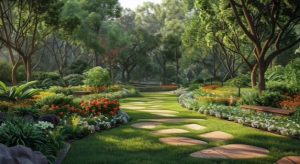
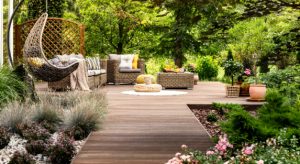
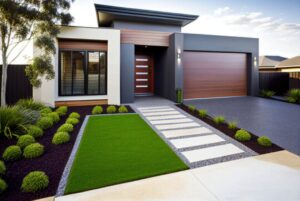
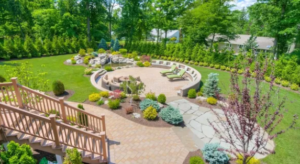
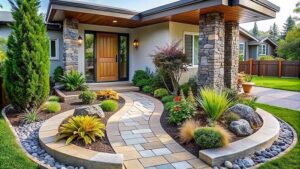
Softscape landscaping design in Saudi Arabia brings color, vitality, and life to an otherwise arid environment. Unlike hardscape elements such as patios and pathways, softscape refers to the living elements of a garden—plants, trees, shrubs, grass, flowers, and soil. In Saudi Arabia, where the climate is defined by intense heat, minimal rainfall, and high evaporation rates, maintaining these softscape features requires strategic planning, continuous care, and a touch of innovation. This article explores every aspect of softscape maintenance tailored to Saudi Arabia's unique environmental challenges. Whether you're a homeowner looking to keep your front lawn lush or a landscaping company aiming to deliver exceptional services, mastering softscape landscaping design in Saudi Arabia is key to sustainability and aesthetic excellence.
The Challenges of Softscape in a Desert Climate
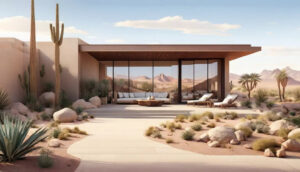
Maintaining softscape landscaping in Saudi Arabia is no easy feat. The country's desert climate poses several challenges—extreme heat, scarce water resources, sandy soil, and high salinity. These conditions can stress plant life, degrade soil health, and make traditional gardening techniques ineffective. However, with informed choices and proper techniques, these obstacles can be overcome. Understanding the microclimates in urban versus rural areas, the direction of sunlight, and the impact of wind patterns can help in designing and maintaining thriving green spaces. Selecting native or adaptive plant species and optimizing irrigation systems is crucial. Landscaping professionals must also stay updated on climate-smart gardening practices that align with the Kingdom’s growing focus on sustainability and Vision 2030 goals.
Choosing the Right Plants for Saudi Arabia’s Climate
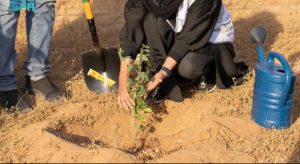
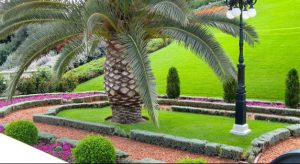
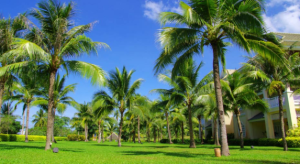
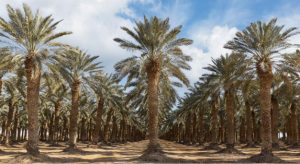
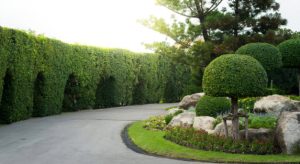
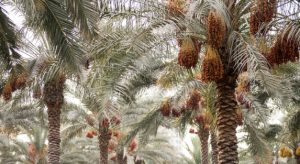
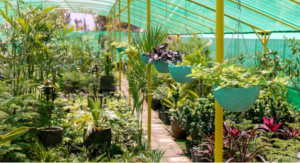
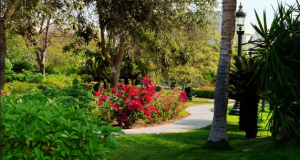
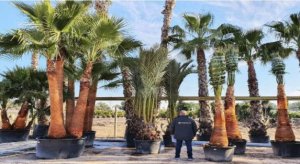
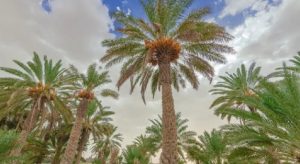
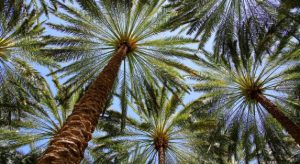
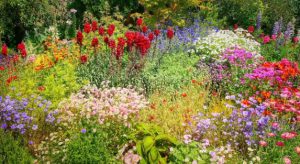
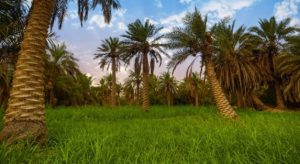
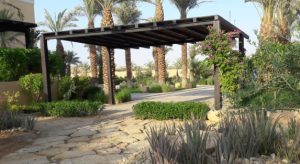
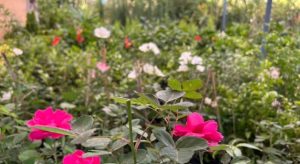
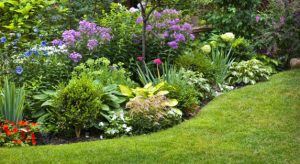
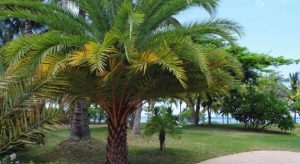
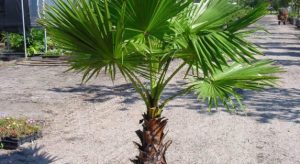
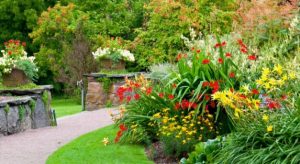
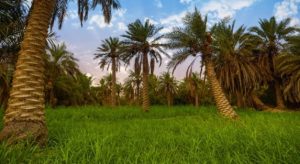
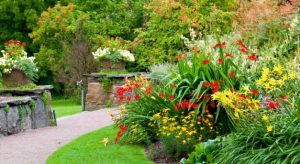
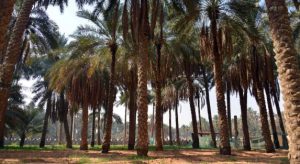
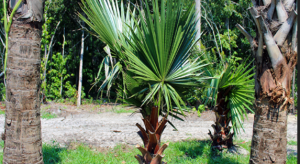
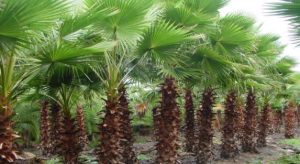
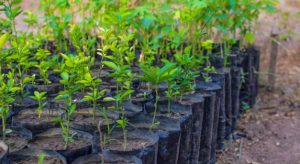
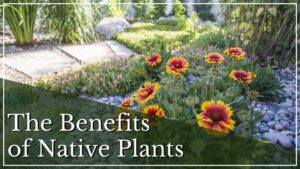
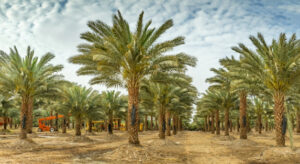
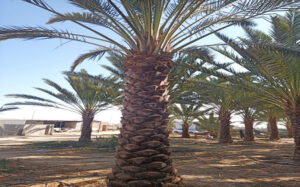
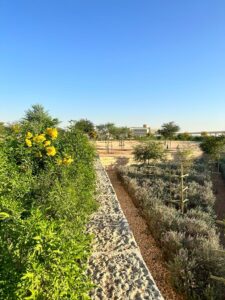
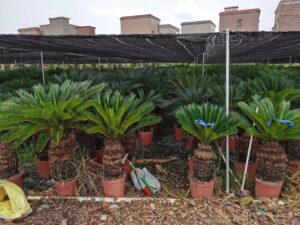
The success of any softscape landscaping design in Saudi Arabia starts with choosing the right plants. Native and drought-tolerant species like Date Palms, Bougainvillea, Oleander, and Desert Roses not only survive but thrive in the local climate. Succulents and ground covers such as Lantana and Zoysia grass are excellent for minimizing water usage while adding greenery. When selecting plants, it's essential to consider their sunlight requirements, root systems, and seasonal behaviors. Grouping plants with similar needs simplifies maintenance and improves efficiency. Importantly, selecting plants that attract pollinators like bees and birds also supports local biodiversity. Your plant palette should balance aesthetic appeal with functional resilience. Consulting with local horticulturists and landscape experts can help tailor your plant choices to specific soil and light conditions in your location.
Soil Management and Preparation
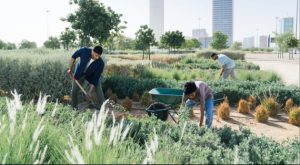
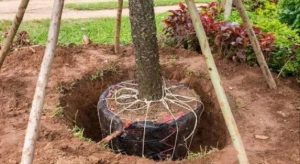
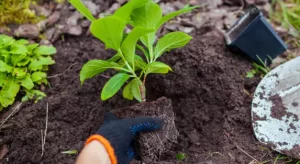
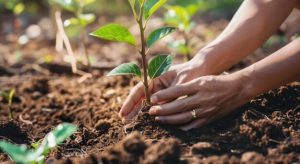
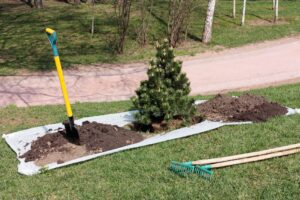
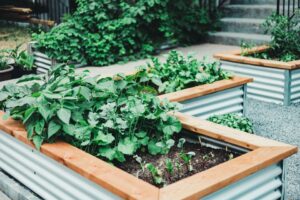
Healthy soil is the foundation of successful softscape landscaping design in Saudi Arabia. Unfortunately, the region’s naturally sandy and nutrient-poor soil is not ideal for most plants. Thus, soil amendment becomes essential. Adding organic compost, peat moss, and well-rotted manure can enrich the soil’s structure and fertility. Mulching not only conserves soil moisture but also regulates temperature and suppresses weeds. Regular soil testing allows landscapers to adjust pH levels and nutrient content, ensuring plants get what they need. In high-salinity areas, gypsum treatment and proper drainage solutions are critical to prevent salt accumulation that can damage root systems. Incorporating biochar or using raised beds for sensitive plants can further enhance soil quality. A consistent, data-driven soil management routine is vital to maintaining lush, healthy softscapes in the harsh Saudi climate.
Efficient Watering Techniques and Irrigation Systems
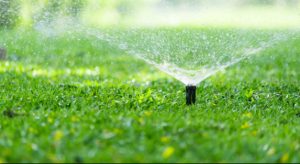
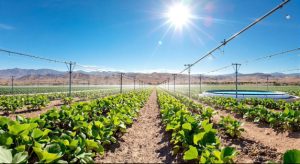
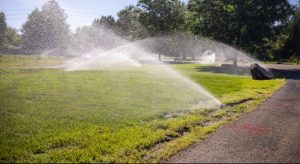
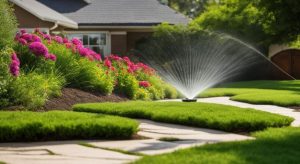
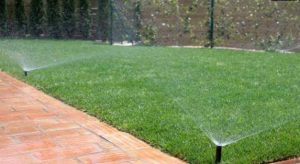
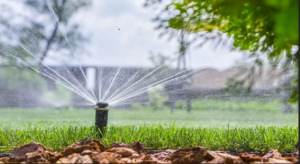
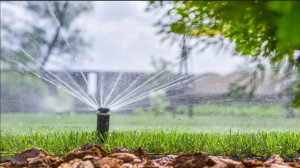
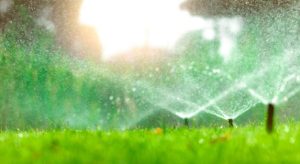
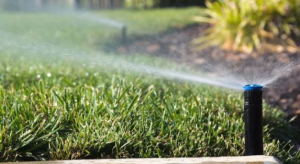
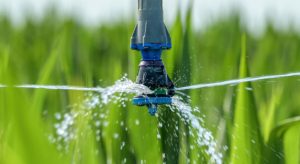
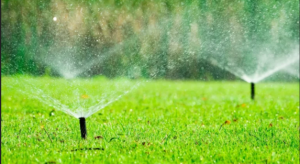
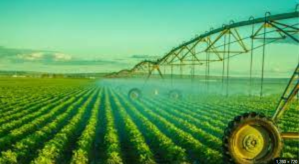
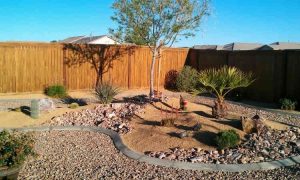
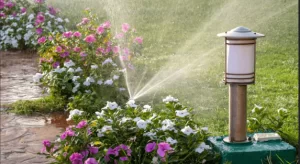
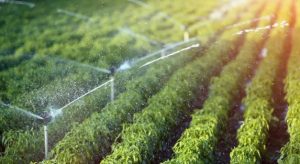
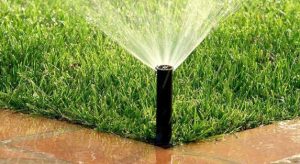
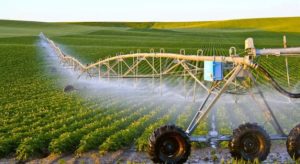
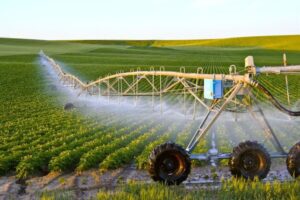
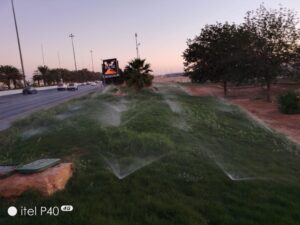
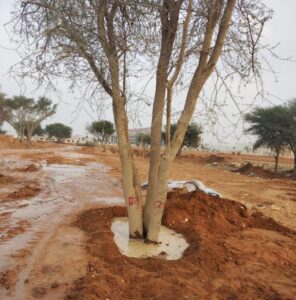
Water is a precious commodity in Saudi Arabia, and smart irrigation is the lifeblood of softscape landscaping. Drip irrigation systems are widely recommended as they deliver water directly to the plant roots, reducing evaporation and water waste. Timers and moisture sensors can be installed to automate watering schedules based on actual soil conditions. Watering during early morning or late evening minimizes water loss due to evaporation. Xeriscaping principles—designing landscapes to reduce or eliminate the need for irrigation—can also be applied, especially in larger commercial or residential properties. Incorporating greywater recycling and rainwater harvesting where feasible adds to sustainability. By prioritizing efficient water use, softscape designs can flourish without straining the region’s limited water resources.
Seasonal Maintenance and Pruning
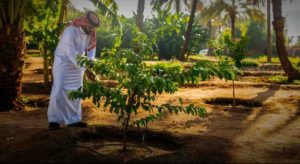
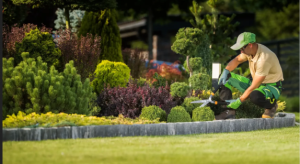
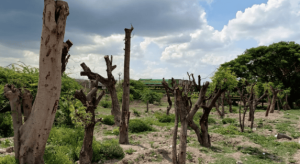
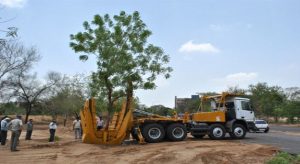
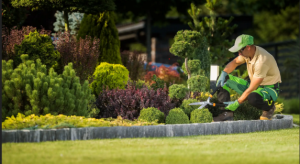
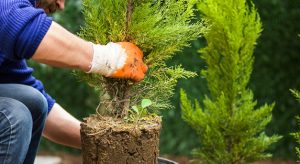
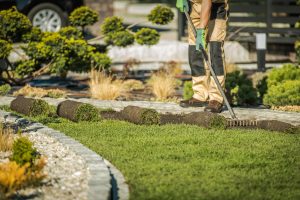
In Saudi Arabia, different seasons require different maintenance strategies. While winter provides a brief reprieve from extreme heat, plants still need care. This is the best time for pruning trees, reshaping shrubs, and refreshing soil with fertilizers. Summer calls for extra mulching to protect root zones from intense heat, as well as close monitoring of irrigation systems. Spring is a growth season—ideal for planting new flowers and grass, and applying organic nutrients to stimulate healthy development. Autumn allows for transplanting and planning for winter blooms. Pruning is particularly important for softscape health; it encourages new growth, prevents pest infestations, and maintains the aesthetic form. Always use clean, sharp tools and understand the pruning cycles of your specific plants to avoid stress or damage.
Pest Control and Plant Health
Pests and diseases can devastate softscape landscaping, especially in climates that stress plant immunity. Common issues in Saudi Arabia include whiteflies, mealybugs, and fungal infections like powdery mildew. Integrated Pest Management (IPM) is the most effective and sustainable approach. This involves regular inspection, biological control (like using beneficial insects), and minimal use of chemical pesticides. Neem oil and insecticidal soaps are natural alternatives to harsh chemicals. Ensuring good air circulation, proper spacing, and soil health can also deter pests. Plant health monitoring should be routine—yellowing leaves, stunted growth, or unusual spots are early warning signs. A proactive approach to plant care ensures that your softscape remains vibrant and resilient throughout the year.
Fertilization and Nutrient Management
Nutrient balance plays a key role in maintaining vibrant softscape landscaping design in Saudi Arabia. Fertilizers should be chosen based on soil testing results, plant needs, and seasonal cycles. Organic fertilizers such as compost, bone meal, and fish emulsion improve soil structure and nourish plant life naturally. Slow-release granular fertilizers are ideal for longer-lasting effects and minimal leaching. Over-fertilizing should be avoided, as it can harm plant roots and pollute groundwater. Micronutrients like iron, magnesium, and zinc are essential, particularly in sandy soils with limited natural fertility. Fertilizer application should be timed for maximum uptake—early mornings or late afternoons are best. Regular feeding schedules aligned with plant life cycles result in lush foliage, vibrant flowers, and healthy root systems.
Mulching and Ground Cover Strategies
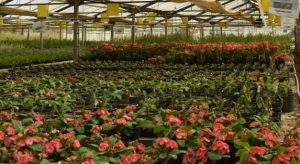
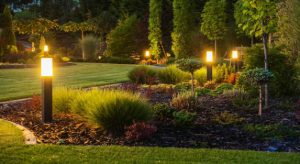
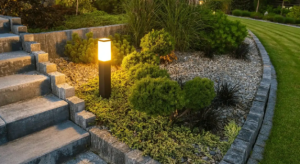
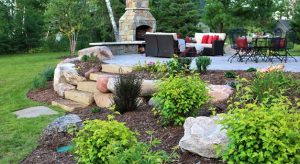
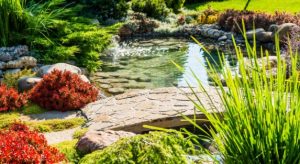
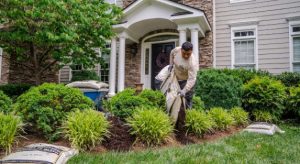
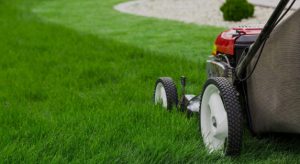
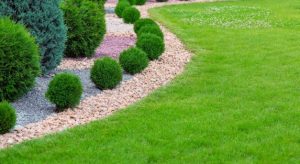
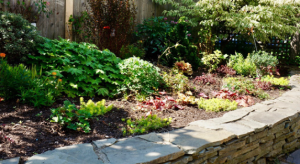
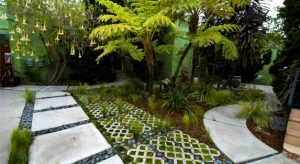
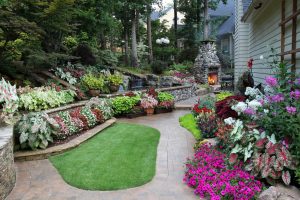
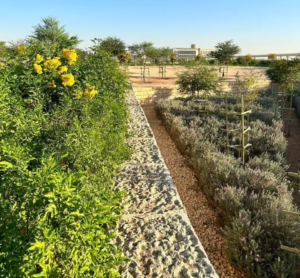
Mulching is an underrated yet powerful tool in softscape landscaping maintenance. In the harsh Saudi sun, mulching helps retain soil moisture, suppress weeds, and protect root systems from heat stress. Organic mulch like wood chips, shredded bark, and straw gradually breaks down and enriches the soil. Inorganic options like gravel or rubber mulch offer longevity but lack nutritional benefits. Ground covers such as Dwarf Carpet of Stars, Lippia, or creeping thyme serve a similar purpose while adding greenery. These low-growing plants reduce soil erosion, maintain consistent temperatures, and provide visual continuity. Combining mulching with strategic ground cover planting enhances both the aesthetic and ecological value of your landscape, making maintenance easier and more effective.
Sustainable Landscaping Practices in Saudi Arabia
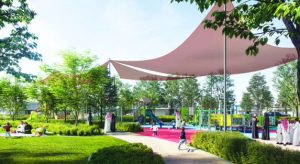
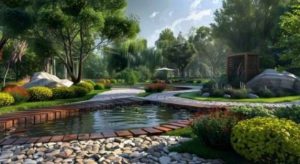
As Saudi Arabia embraces sustainability through its Vision 2030 goals, environmentally conscious landscaping practices are gaining momentum. Softscape landscaping design in Saudi Arabia must now align with water conservation, reduced chemical use, and biodiversity enhancement. Using native plants, minimizing lawn areas, and integrating renewable energy for irrigation systems are key strategies. LEED-certified landscaping designs and low-impact development practices are being adopted in new urban developments. Encouraging the use of biodegradable materials, composting plant waste, and incorporating vertical or rooftop gardens further contribute to sustainability. Community gardens and green public spaces designed with softscape principles also promote environmental education and well-being. Adopting these practices helps maintain beautiful landscapes while honoring ecological responsibility.
The Role of Landscaping Professionals
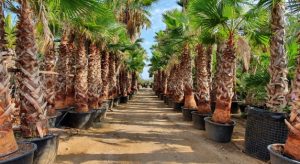
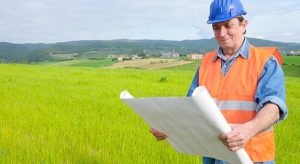
While DIY landscaping can be fulfilling, professional guidance is often essential for maintaining large or complex softscape designs in Saudi Arabia. Certified landscape architects and horticulturists bring deep knowledge of local climate conditions, plant species, and sustainable practices. They can conduct soil testing, design efficient irrigation systems, and implement seasonal care routines. Hiring professionals ensures that landscaping complies with municipal regulations and achieves desired aesthetic and functional outcomes. Many landscaping companies now offer maintenance packages that include pruning, fertilizing, pest control, and system checkups. Partnering with experts reduces long-term costs, prevents common mistakes, and guarantees a thriving green space even in challenging environments.
Conclusion: Thriving Green Spaces in the Desert
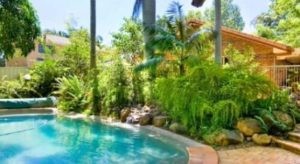
Maintaining softscape landscaping design in Saudi Arabia is both an art and a science. Despite the desert's challenges, it is entirely possible to create and sustain lush, inviting green spaces that enhance property value, environmental health, and personal well-being. With the right plant choices, soil management, irrigation practices, and seasonal care, softscape elements can flourish year-round. Incorporating sustainable techniques and professional insights adds resilience and efficiency to your landscape. As cities across the Kingdom grow greener under Vision 2030, mastering softscape maintenance becomes not just a skill, but a contribution to a healthier, more beautiful Saudi Arabia. Whether you're a gardener, homeowner, or landscape designer, your role in nurturing softscape reflects a commitment to harmony with nature—even in the heart of the desert.
- Fountain and Waterfalls
- Gardening
- hardscape
- Irrigation system
- Landscape
- Lawn
- Nursery
- Palm Tree
- Plantation and Maintenance
- softscape
- Tree Transplanting
- Washingtonian Tree
Categories
Latest Post
 .
.













- Fountain and Waterfalls
- Gardening
- hardscape
- Irrigation system
- Landscape
- Lawn
- Nursery
- Palm Tree
- Plantation and Maintenance
- softscape
- Tree Transplanting
- Washingtonian Tree