 +966 50 444 4872


Importance of landscaping in Saudi Arabia’s desert climate
12 January, 2026
Saudi Arabia is known for its vast deserts, arid climate, minimal rainfall, and extreme summer temperatures. At first glance, landscaping may appear challenging or even unnecessary in such an environment. However, in reality, landscaping plays a vital role in environmental sustainability, aesthetic enhancement, urban development, and overall quality of life across the Kingdom. Modern landscape services in Saudi Arabia have evolved to design green spaces that not only beautify cities but also help combat heat, reduce dust, and improve ecological balance. Whether for private villas, commercial complexes, public parks, or hospitality projects, professional landscaping has become an essential component of contemporary urban planning in the country.
Understanding the Importance of Landscaping in Saudi Arabia’s Desert Climate
Saudi Arabia’s desert climate is characterized by extreme heat, very low rainfall, saline soil conditions, and scarce natural vegetation. In such a challenging environment, landscaping is far more than an aesthetic enhancement; it becomes a functional and environmental necessity. High-quality landscape services in Saudi Arabia help create green spaces that reduce heat, improve air quality, and promote sustainable land use. Residential communities, commercial areas, public parks, hotel properties, and institutional campuses increasingly depend on professional landscape contractors in Saudi Arabia to design outdoor spaces that can survive the harsh climate and still maintain visual appeal.
One of the key reasons landscaping holds importance in desert regions is microclimate modification. Well-designed landscapes lower ambient temperatures, increase shade, and decrease heat island effects around buildings. This not only improves outdoor comfort but also leads to measurable energy savings for cooling systems. In addition, thoughtful plant selection reduces water consumption while enhancing soil retention, which is vital when dealing with loose desert sand and erosion issues common across Saudi terrain.
Landscaping companies in Saudi Arabia also focus on environmental sustainability. The integration of native and drought-resistant plants, efficient irrigation systems, and soil improvement techniques creates resilient green spaces that require minimal maintenance. Modern urban developments in Riyadh, Jeddah, Dammam, and other cities increasingly rely on expert landscape contractors in Riyadh and beyond to support long-term ecological balance. At a broader level, landscaping contributes to mental well-being, recreational opportunities, and cultural aesthetics, reinforcing its strategic role in urban development within the Kingdom.
Water-Efficient Landscaping Solutions Suitable for Desert Conditions
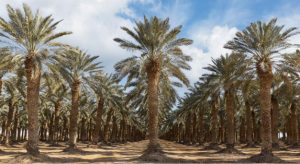
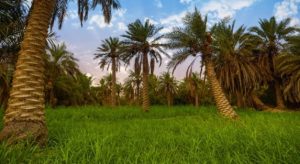
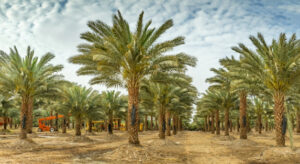
Water scarcity is one of the most pressing environmental challenges in Saudi Arabia. Therefore, water-efficient landscaping lies at the heart of professional landscape services in Saudi Arabia. Instead of conventional high-water-demand garden styles, landscaping companies in Saudi Arabia adopt xeriscaping principles, smart irrigation systems, and moisture-retaining soil practices. Xeriscaping involves selecting drought-tolerant plants that naturally thrive in arid desert regions, such as date palms, acacia, bougainvillea, and native grasses. These species require significantly less water and yet offer strong visual impact, shade, and erosion control.
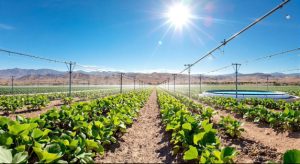
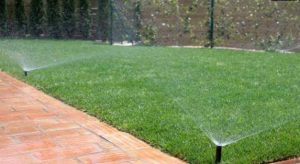
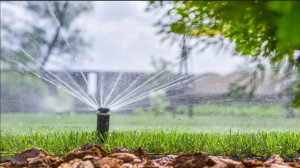
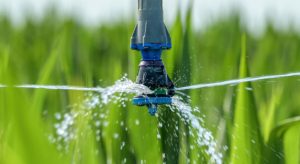
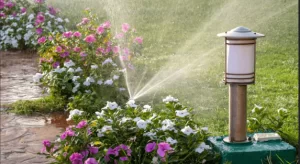
Another critical strategy implemented by landscape contractors in Saudi Arabia is the use of smart irrigation systems. Drip irrigation, sensor-based watering controllers, and automated moisture detection technologies ensure plants receive exactly the amount of water they require, without wastage. Greywater recycling and treated wastewater irrigation are also gaining popularity in large developments across Riyadh and other major cities. These techniques support sustainability goals while addressing governmental water-conservation regulations.
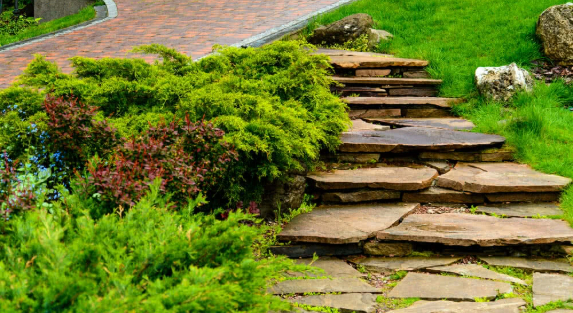
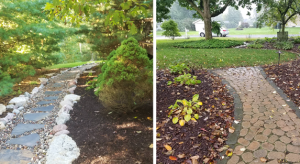
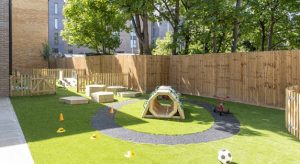
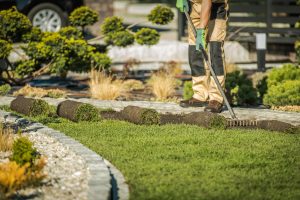
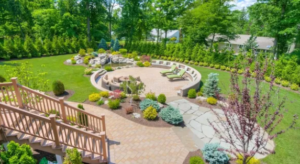
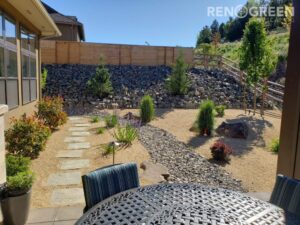
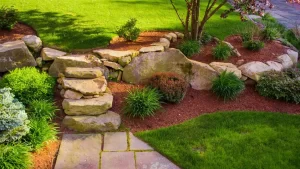
Soil enhancement techniques are equally important in achieving water-efficient landscaping. Desert soil is typically sandy, nutrient-poor, and incapable of retaining moisture. Landscaping companies in Saudi Arabia apply organic mulches, compost, and soil conditioners to increase fertility and water-holding capacity. The strategic use of hardscaping elements, such as stone pathways, gravel beds, pergolas, shaded seating, and artificial turf, further reduces dependence on water-consuming grass lawns. In addition, windbreaks and shelterbelts help minimize evaporation caused by hot desert winds.
Through these integrated practices, landscape contractors in Riyadh and other cities deliver sustainable outdoor environments that balance beauty, functionality, and water conservation. These solutions are vital for residential villas, commercial complexes, educational institutions, and public recreational parks seeking environmentally responsible landscaping in the desert climate.
Environmental and Social Benefits of Professional Landscaping in Saudi Arabia
Professional landscape services in Saudi Arabia contribute directly to environmental improvement and community well-being. In regions dominated by desert terrain, green spaces play an essential role in combating air pollution, reducing dust levels, and improving overall oxygen availability. Trees and shrubs act as natural filters, trapping airborne particulates and promoting cleaner air. Additionally, landscaped spaces help stabilize soil, preventing erosion and sand drift—two common issues in arid environments. This is particularly important around infrastructure, highways, and residential zones.
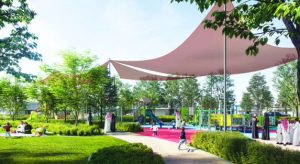
From a social perspective, landscaping companies in Saudi Arabia support the creation of livable cities. Public parks, shaded walkways, community gardens, and outdoor recreational areas encourage physical activity, social interaction, and relaxation. These spaces significantly enhance quality of life and mental well-being, providing residents with respite from daily heat and urban congestion. For families, landscaped play areas and green campuses offer safer, cooler environments for children and elderly citizens. In corporate environments, well-designed landscapes improve aesthetics, employee morale, and corporate image.
Landscape contractors in Riyadh also play a strategic role in supporting national sustainability initiatives such as Saudi Vision 2030, which promotes greener urban development, beautification projects, and increased environmental awareness. Corporate campuses, new residential districts, hospitality developments, and large infrastructure projects now routinely integrate sustainable landscaping as part of master planning.
Furthermore, professional landscaping contributes to increased property value. Well-maintained landscapes enhance curb appeal, attract buyers and investors, and signal high-quality urban planning. Hotels, resorts, shopping malls, and business parks benefit significantly from carefully designed outdoor environments that strengthen brand prestige and customer experience. Landscape contractors in Saudi Arabia bring technical expertise in design, horticulture, irrigation, and long-term maintenance, ensuring that landscapes do not simply look good initially but remain healthy and functional over time.
Role of Landscape Contractors and Landscaping Companies in Delivering Sustainable Designs
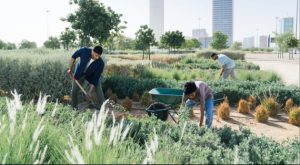
The complexity of Saudi Arabia’s desert climate requires specialized knowledge, advanced technology, and professional project execution. This is where expert landscape contractors in Saudi Arabia and dedicated landscaping companies in Saudi Arabia become indispensable. They manage the complete lifecycle of landscaping projects, including site analysis, climate assessment, design planning, plant selection, irrigation engineering, installation, and ongoing maintenance. Their multidisciplinary approach ensures that landscapes are not only visually appealing but environmentally and economically sustainable.
Landscape contractors in Riyadh, in particular, handle large-scale urban developments, commercial landscapes, villa projects, and public infrastructure beautification initiatives. They understand local soil conditions, municipal guidelines, and environmental constraints. This enables them to design landscapes resilient against heat, salinity, drought, and seasonal sandstorms. They also integrate sustainable technologies such as recycled water systems, solar-powered pumps, and automated irrigation management.
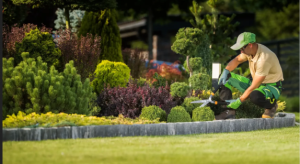
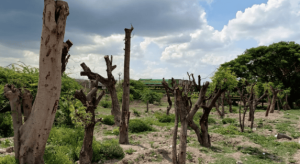
Landscaping companies in Saudi Arabia place strong emphasis on native and adaptive plants to reduce maintenance effort and water demand. They also promote the use of hardscape elements, shade structures, and climate-responsive architecture to enhance usability of outdoor spaces throughout the year. Maintenance planning forms a critical component of their service delivery. Regular pruning, irrigation optimization, pest management, and soil nourishment are essential to preserve healthy landscapes in desert environments.
Moreover, professional firms provide aesthetic and functional customization for different types of clients. Luxury residential villas may prioritize ornamental gardens and privacy landscaping, while corporate developments focus on formal layouts and brand representation. Public entities may emphasize parklands, community spaces, and large shaded areas. In all cases, the expertise of landscape contractors in Riyadh and other cities ensures safety, durability, and regulatory compliance.
In essence, landscape services in Saudi Arabia are a cornerstone of sustainable urban development in the desert climate. They transform barren terrain into vibrant, livable, and environmentally supportive spaces, creating long-term value for cities, businesses, and communities across the Kingdom.
Smart Irrigation Technologies and Their Impact on Sustainable Landscaping
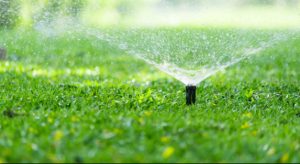
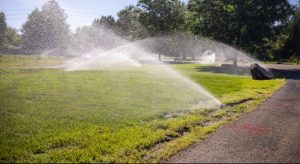
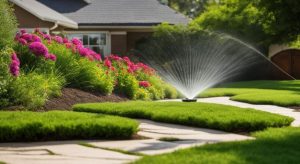
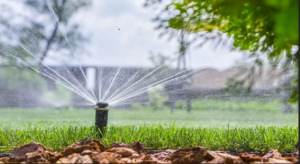
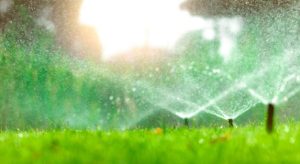
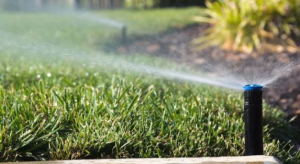
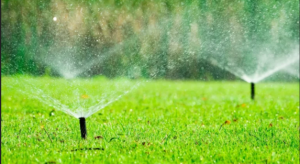
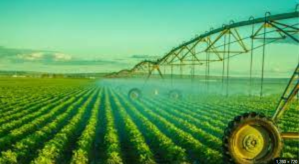
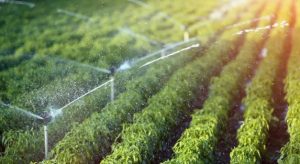
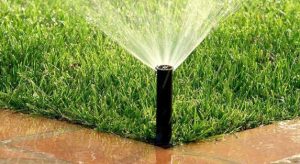
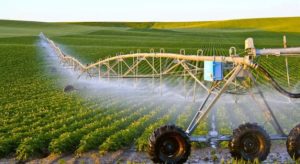
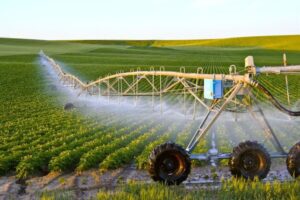
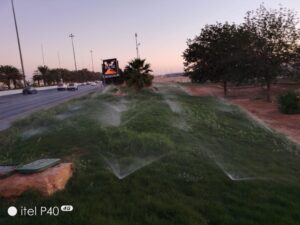
In Saudi Arabia’s desert climate, smart irrigation technologies are transforming how green spaces are designed and maintained. Traditional irrigation methods lead to high levels of water wastage, uneven watering, and increased landscape maintenance costs. Modern landscape services in Saudi Arabia increasingly adopt smart systems such as automated timers, moisture sensors, drip irrigation, and weather-based controllers to ensure efficient water distribution. These systems adjust watering schedules according to soil moisture levels, climatic conditions, and plant requirements, preventing over-irrigation and helping conserve precious water resources.
Landscape contractors in Riyadh are at the forefront of deploying advanced irrigation solutions across residential compounds, corporate campuses, hotels, and public parks. Drip irrigation techniques deliver water directly to plant roots, minimizing evaporation losses in the desert heat. Subsurface irrigation systems are also used to protect water from surface evaporation while nourishing root zones more effectively. Integration of treated wastewater and greywater recycling systems further supports sustainable landscaping initiatives and aligns with environmental regulations across the Kingdom.
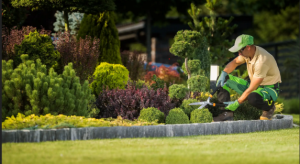
Landscaping companies in Saudi Arabia also focus on training property owners and facility managers to operate smart irrigation systems correctly. Proper programming, regular monitoring, leak detection, and seasonal adjustments are essential to maintain peak efficiency. Many companies provide remote monitoring solutions, enabling real-time tracking of water usage patterns, system performance, and potential faults. This technology-driven approach ensures landscapes remain healthy and visually appealing while reducing operational costs.
Furthermore, smart irrigation plays a pivotal role in long-term environmental sustainability. Reduced water consumption eases pressure on desalination plants and groundwater reserves, supporting national conservation objectives. Combining native plants, xeriscaping designs, and intelligent irrigation technology creates landscapes that are not only beautiful but ecologically responsible. As a result, clients increasingly prefer working with experienced landscape contractors in Saudi Arabia who understand both horticulture and irrigation engineering, ensuring that every project balances aesthetics with resource efficiency.
Use of Native and Drought-Resistant Plants in Desert Landscaping
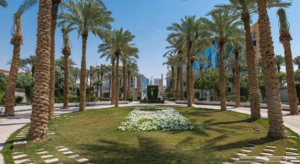
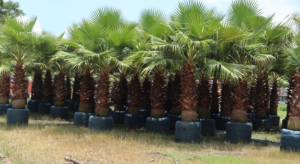
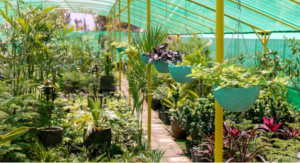
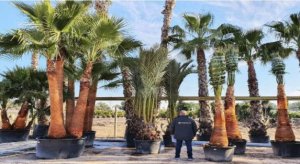
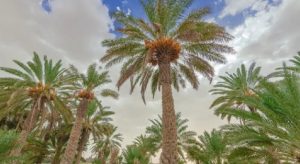
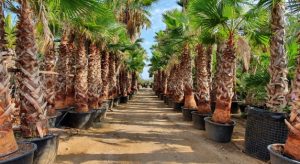
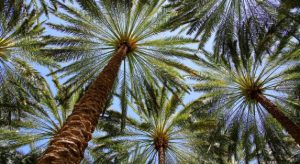
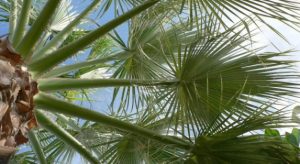
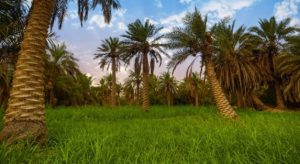
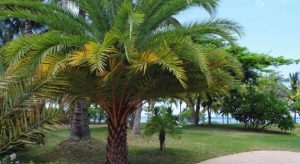
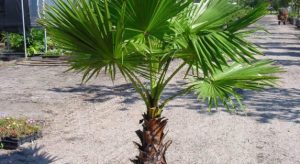
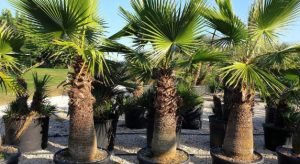
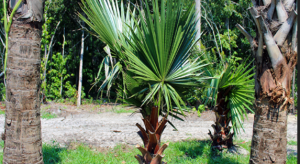
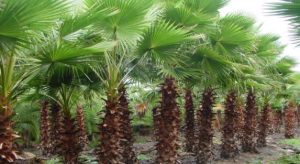
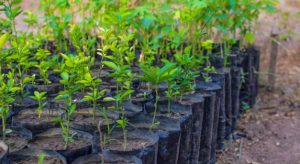
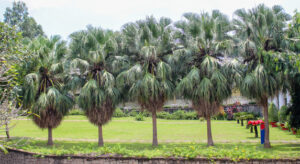
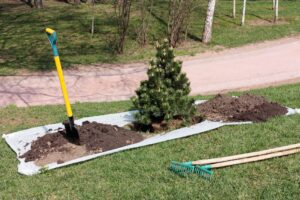
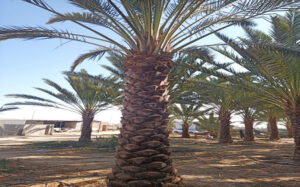
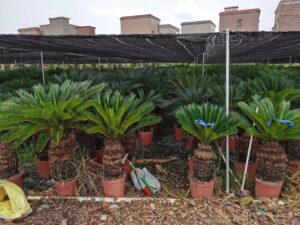
The selection of plant species is one of the most critical factors determining the success of landscaping projects in Saudi Arabia’s desert climate. Native and drought-resistant plants are ideally suited for such harsh conditions, as they require minimal irrigation, withstand intense heat, and adapt well to saline soil. Landscape services in Saudi Arabia now emphasize plant palettes featuring palm varieties, acacia, ghaf trees, date palms, desert shrubs, succulents, and ornamental grasses. These species maintain greenery while significantly reducing maintenance requirements.
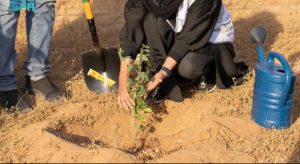
Landscape contractors in Saudi Arabia consider several key criteria when selecting plants, including water needs, growth patterns, salt tolerance, shade provision, and visual impact. Using native plants also promotes biodiversity, providing natural habitats for birds and beneficial insects while enhancing ecological balance. Their deep root systems help stabilize sandy soils and prevent erosion, which is particularly valuable in open desert areas and peripheral urban zones.
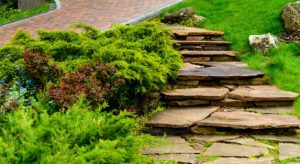
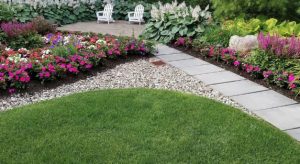
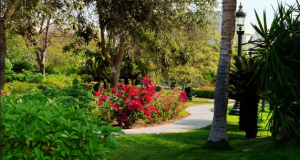
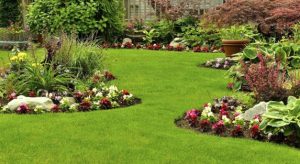
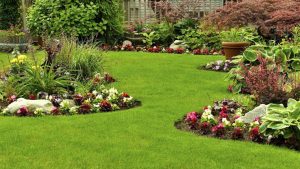
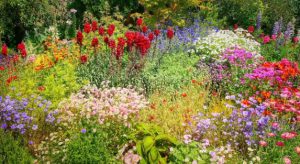
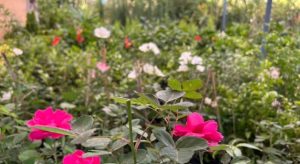
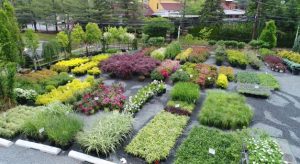
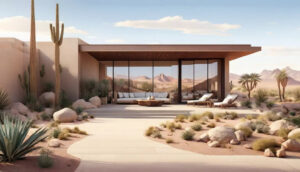
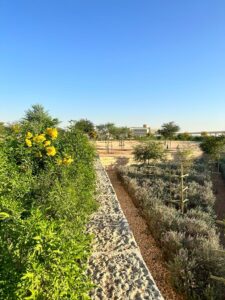
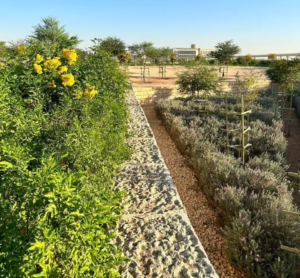
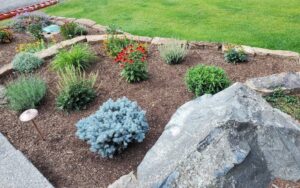
Landscaping companies in Saudi Arabia also blend drought-resistant plants with hardscape elements such as stone features, rock gardens, gravel beds, and decorative pebbles to create visually attractive yet sustainable outdoor environments. Succulents and cacti, for example, add architectural interest while thriving with very little irrigation. Flowering desert plants like bougainvillea and oleander introduce vibrant color without demanding excessive water.
In addition to environmental benefits, the use of native plants lowers long-term operational costs. Landscape contractors in Riyadh find that clients increasingly seek low-maintenance garden solutions for villas, resorts, malls, and institutional buildings. Native species typically require less fertilization, fewer pesticides, and limited pruning, making them ideal for large-scale developments and public landscaping projects.
Overall, incorporating native and drought-resistant plants forms the foundation of successful desert landscaping in the Kingdom. When implemented by skilled landscape contractors in Saudi Arabia, this strategy results in landscapes that are climate-resilient, visually striking, and resource-efficient, making it a cornerstone practice for sustainable urban development.
Hardscaping and Outdoor Living Spaces Designed for Desert Environments
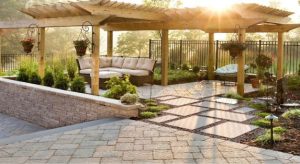
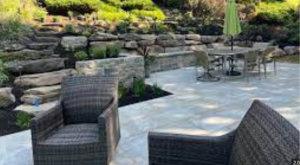
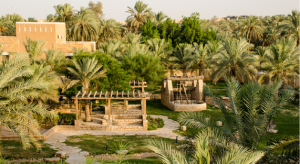
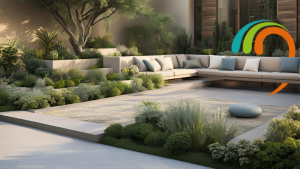
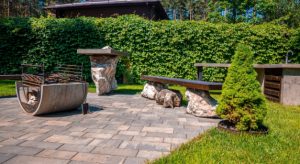
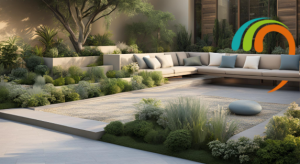
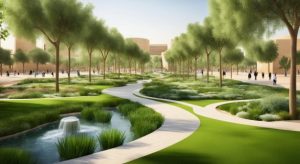
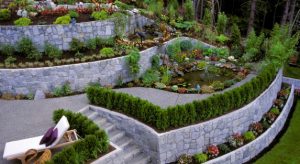
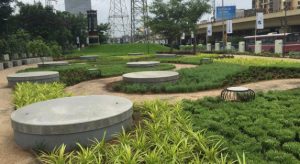
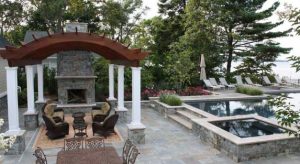
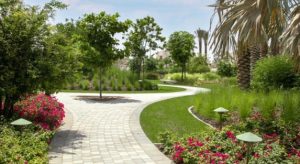
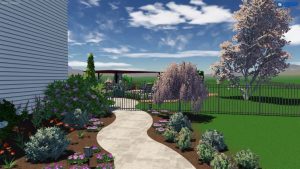
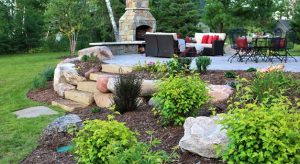
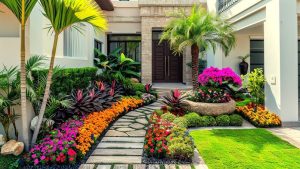
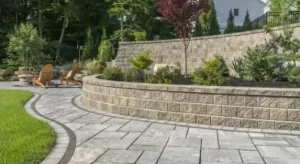
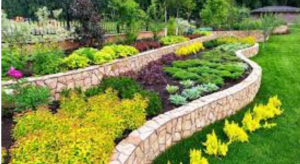
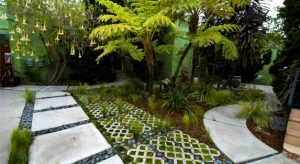
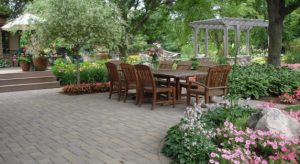
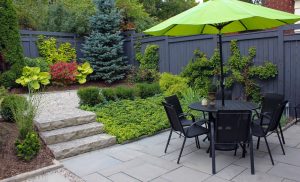
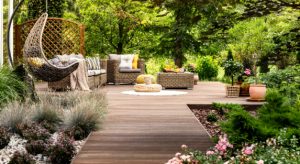
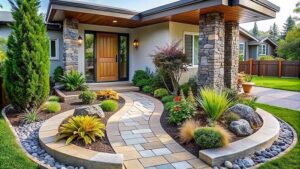
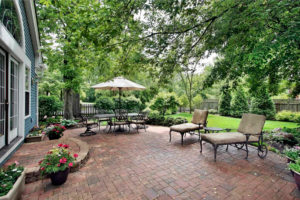
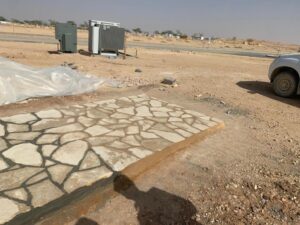
Hardscaping represents a vital component of landscaping in Saudi Arabia’s desert climate, complementing green elements while minimizing water consumption. Hardscape features such as patios, pergolas, shaded seating areas, walkways, retaining walls, water features, and decorative stonework enhance usability and structure within outdoor spaces. Landscape services in Saudi Arabia increasingly integrate hardscaping to create functional outdoor living zones that remain comfortable even during extreme heat.
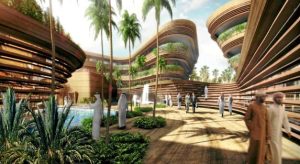
Landscape contractors in Riyadh place emphasis on using heat-resistant and durable materials such as natural stone, concrete pavers, ceramic tiles, and composite decking that tolerate temperature fluctuations and require minimal maintenance. Shaded pergolas and canopies significantly improve thermal comfort, enabling families and visitors to enjoy outdoor seating areas during evenings and milder months. Courtyard-style layouts, inspired by traditional Arabian architecture, help trap cool air and create private, relaxing environments.
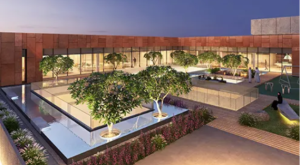
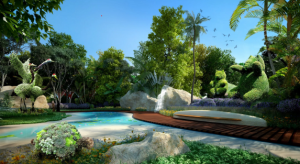
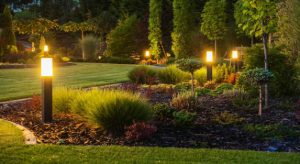
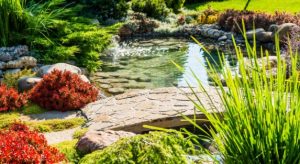
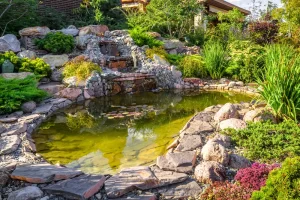
Landscaping companies in Saudi Arabia also design integrated lighting systems to enhance nighttime aesthetics and safety. Solar-powered lights are particularly effective in desert environments, utilizing abundant sunlight while reducing energy costs. Water features such as reflecting pools and fountains help lower surrounding temperatures through evaporative cooling, although they are designed using recirculating systems to conserve water.
In commercial settings, hardscaping supports foot traffic organization, accessibility, and brand presentation. Shopping complexes, hotels, and office parks benefit from entrance plazas, pathways, and architectural landscape elements that add sophistication while remaining sustainable. For residential clients, hardscaping solutions often include barbecue areas, outdoor majlis seating, play zones, or garden terraces.
A balanced combination of soft landscaping and hardscaping, delivered by professional landscape contractors in Saudi Arabia, ensures outdoor environments that are both visually appealing and functional. Importantly, hardscapes reduce reliance on high-water lawns, aligning with conservation priorities. By thoughtfully planning these elements, landscaping companies in Saudi Arabia create desert-friendly outdoor spaces that enhance lifestyle, property value, and urban aesthetics across the Kingdom.
Conclusion: Landscaping as a Cornerstone of Sustainable Living in Saudi Arabia’s Desert Climate
In conclusion, landscaping in Saudi Arabia’s desert climate is not merely decorative; it is integral to sustainable urban development, environmental protection, and enhanced quality of life. Through the expertise of professional landscape services in Saudi Arabia, barren land is transformed into functional green spaces that offer shade, comfort, and beauty despite arid conditions and extreme temperatures. The combined efforts of landscape contractors in Saudi Arabia and specialized landscape contractors in Riyadh enable the country to overcome the limitations of desert terrain by applying science-based design principles, climate-appropriate plant selection, and advanced irrigation technologies.
The role of landscaping companies in Saudi Arabia now extends beyond traditional garden installation. They contribute to water conservation, soil stabilization, pollution reduction, microclimate improvement, and biodiversity enhancement. By prioritizing drought-resistant and native plants, integrating smart irrigation systems, and utilizing hardscaping elements strategically, they successfully create landscapes that are both environmentally responsible and economically viable. These sustainable solutions align with national initiatives such as Vision 2030, which emphasizes greener cities, healthier communities, and enhanced urban aesthetics.
Landscaping also delivers tangible social and economic benefits. Well-maintained outdoor environments improve mental well-being, encourage outdoor activities, support community engagement, and raise property value for residential, commercial, and hospitality developments. In rapidly growing cities like Riyadh, Jeddah, and Dammam, demand for professional landscape services in Saudi Arabia continues to increase as developers, institutions, and homeowners recognize the long-term value of thoughtfully designed landscapes.
Ultimately, landscaping in Saudi Arabia’s desert climate represents the intersection of innovation, environmental stewardship, and human comfort. With the continued expertise of landscape contractors in Riyadh and leading landscaping companies in Saudi Arabia, the Kingdom can successfully balance urban expansion with ecological responsibility. As awareness of sustainable practices grows, landscaping will remain a cornerstone in building resilient, livable, and aesthetically compelling cities across the desert landscape.
- Fountain and Waterfalls
- Gardening
- hardscape
- Irrigation system
- Landscape
- Lawn
- Nursery
- Palm Tree
- Plantation and Maintenance
- softscape
- Tree Transplanting
- Washingtonian Tree
Categories
Latest Post
 .
.














- Fountain and Waterfalls
- Gardening
- hardscape
- Irrigation system
- Landscape
- Lawn
- Nursery
- Palm Tree
- Plantation and Maintenance
- softscape
- Tree Transplanting
- Washingtonian Tree