 +966 50 444 4872


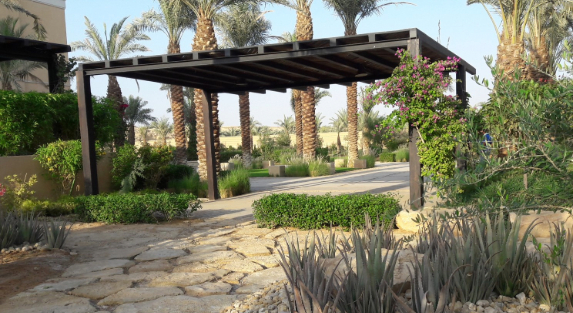
Key Considerations for Softscape Landscaping Installation in Saudi Arabia
16 June, 2025
In a country dominated by arid landscapes and intense climatic conditions, the idea of vibrant, green outdoor spaces might seem like a distant dream. However, through thoughtful softscape landscaping installation, Saudi Arabia is transforming its urban and suburban environments into lush, sustainable oases. This article delves into the key considerations necessary for successful softscape landscaping installation in Saudi Arabia, helping homeowners, developers, and landscape professionals navigate this unique and challenging terrain.
Understanding Softscape Landscaping
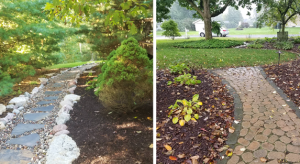
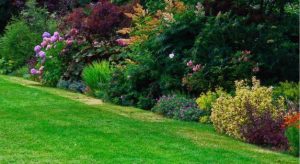
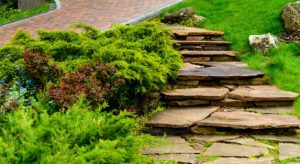
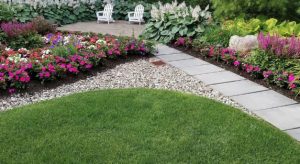
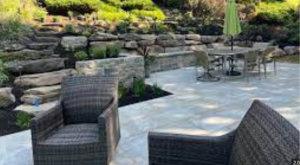
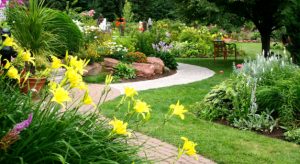
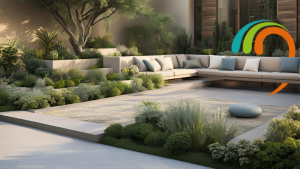
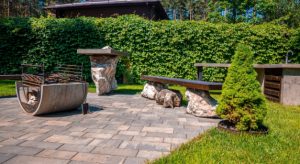
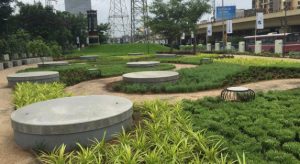
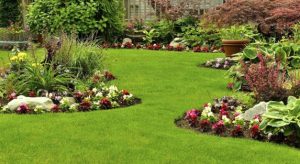
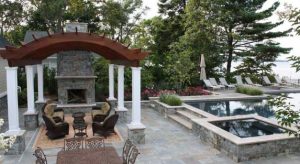
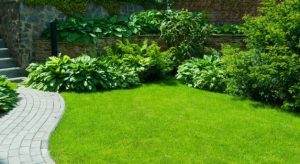
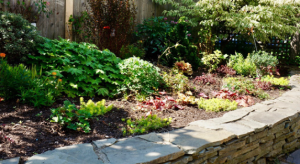
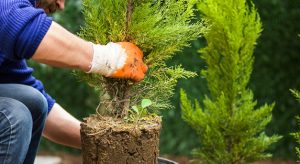
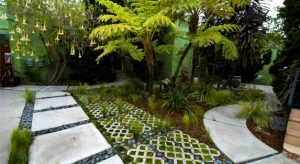
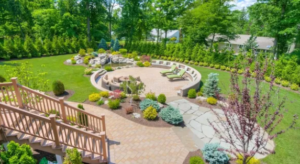
Softscape landscaping refers to the living elements within a landscape design. Unlike hardscaping, which focuses on non-living components like stone, concrete, and brick, softscape includes plants, flowers, grass, shrubs, trees, soil, and organic ground covers such as mulch. These components are essential in creating balance, texture, and a sense of nature in outdoor environments. In Saudi Arabia, where architectural elements and hardscapes dominate the built environment, the integration of softscaping plays a crucial role in enhancing the visual and environmental appeal of outdoor spaces.
Softscape contributes more than just beauty. It plays a vital role in air purification, temperature regulation, and even emotional well-being. A strategically designed landscape that includes softscape features can reduce the urban heat island effect, provide much-needed shade, and create inviting outdoor areas that promote social interaction and relaxation. Moreover, integrating softscape landscaping into properties can significantly increase their real estate value.
In the Saudi context, where water scarcity and high temperatures are major challenges, softscape landscaping must be implemented with careful planning. Plant selection, irrigation, soil preparation, and maintenance schedules all require thoughtful consideration to ensure long-term sustainability. The result, however, can be breathtaking—transforming a barren or underutilized space into a green haven that feels like a luxurious retreat amid the desert.
Climate and Environmental Factors
Saudi Arabia's harsh desert climate poses a unique set of challenges for softscape landscaping installation. Summers are long and intensely hot, with temperatures often exceeding 45°C (113°F), while rainfall is sparse and unpredictable. These climatic realities must be at the forefront of every landscaping plan. One of the primary considerations is selecting plant species that are both heat-tolerant and drought-resistant. Plants that can survive with minimal water input are essential to ensure long-term viability without incurring excessive water costs.
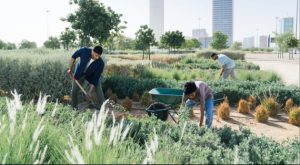
Soil is another critical factor. Much of the soil in Saudi Arabia is sandy and lacks the organic nutrients needed for plant growth. This necessitates the use of soil conditioners and organic matter to improve soil structure and water retention capabilities. Adding compost or specially formulated soil amendments can greatly enhance the fertility and performance of the landscape.
Additionally, water management is a pressing concern. In a region where water is a limited resource, the use of efficient irrigation systems becomes not just advisable but essential. Drip irrigation systems, which deliver water directly to plant roots, help conserve water while ensuring that plants receive the moisture they need. The use of mulch around plant bases also aids in retaining soil moisture and reducing surface evaporation.
Understanding microclimates within a property can also make a big difference. Certain areas may offer natural windbreaks or receive more shade, making them more suitable for certain types of plants. Overall, taking the time to analyze environmental factors and adapt the softscape design accordingly can significantly enhance the success and sustainability of the installation.
Selection of Native and Adaptive Plants
One of the most important principles of softscape landscaping installation in Saudi Arabia is the use of native and climate-adaptive plant species. Native plants are already acclimated to the local environment, requiring less water, fewer fertilizers, and minimal pest control. This makes them more sustainable and cost-effective choices for long-term landscape management.
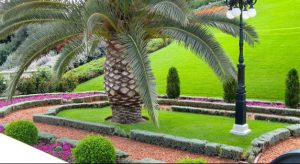
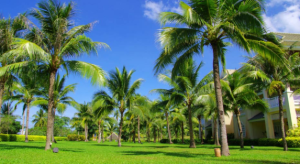
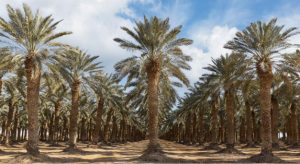
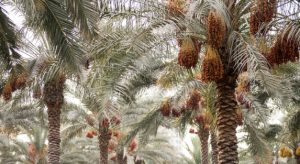
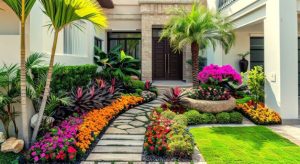
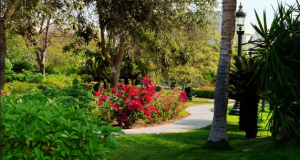
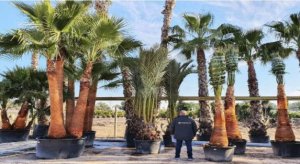
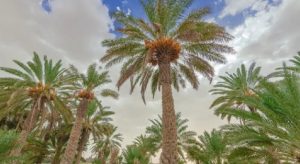
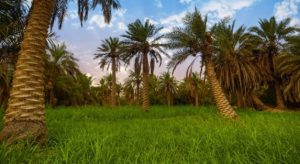
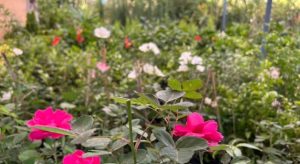
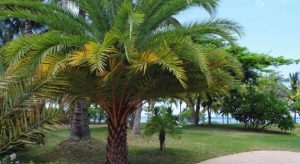
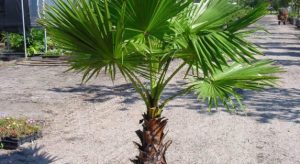
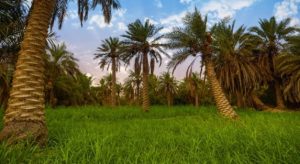
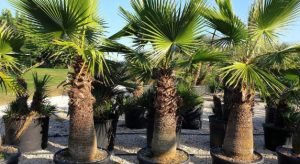
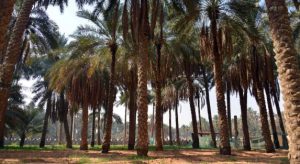
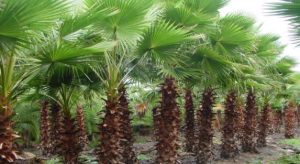
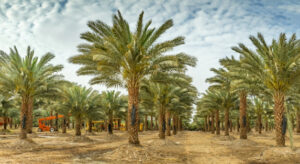
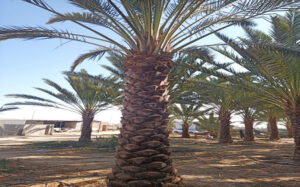
Examples of native or well-adapted plants suitable for the Saudi environment include date palms (Phoenix dactylifera), which are deeply rooted in the region’s heritage and climate adaptability. Bougainvillea, with its vibrant colors and high tolerance for heat and drought, is another popular choice. Other resilient species include Acacia, known for its hardiness; Oleander, valued for its long flowering season; Desert Rose (Adenium obesum), which thrives in arid conditions; and Jatropha, a hardy shrub with ornamental appeal.
These plants not only reduce maintenance costs but also support local biodiversity by attracting pollinators such as bees and birds. Moreover, using native species helps preserve the ecological balance and contributes to the natural heritage of the region. When carefully selected and grouped, these plants can create visually stunning arrangements that require minimal upkeep.
In addition to aesthetics and sustainability, native and adaptive plants play a role in reinforcing cultural identity. Many of these species have been part of traditional gardens for centuries and are deeply embedded in the visual and cultural landscape of Saudi Arabia. Their use in modern landscaping projects bridges tradition with innovation, creating spaces that are both functional and culturally meaningful.
Soil Preparation and Amendment
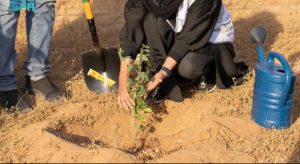
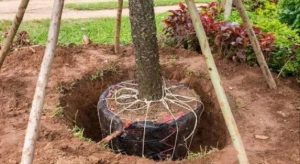
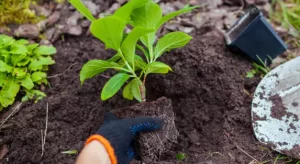
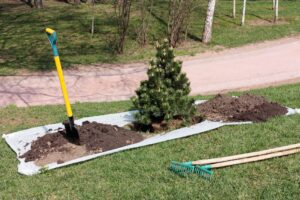
Proper soil preparation is foundational to successful softscape landscaping, especially in the challenging terrain of Saudi Arabia. The native soil in most parts of the Kingdom is sandy, highly alkaline, and low in organic matter—conditions that are not ideal for growing most types of vegetation. To support healthy plant growth, the soil must be thoroughly tested and amended.
The first step is soil testing. By analyzing the soil’s pH, nutrient content, salinity, and texture, landscapers can identify what amendments are necessary. Most soils in the region benefit from the addition of organic matter, such as compost, peat moss, or coconut coir. These materials improve soil texture, increase nutrient availability, and enhance the soil’s capacity to retain moisture.
Drainage is another crucial consideration. While sandy soil tends to drain quickly, poor drainage can still occur in compacted or clay-like patches. Installing proper drainage systems and avoiding soil compaction during construction are essential to preventing root rot and other water-related issues.
Soil conditioners and fertilizers should be incorporated as needed. Slow-release fertilizers tailored to the plant species can help maintain nutrient levels over time. In arid environments, it’s also advisable to use soil wetting agents, which help water penetrate deeper and distribute more evenly.
By taking the time to properly prepare the soil, landscapers set the stage for successful plant establishment and long-term growth. Well-prepared soil not only boosts plant health but also reduces the need for frequent watering and fertilization, contributing to the sustainability of the landscape.
Efficient Irrigation Systems
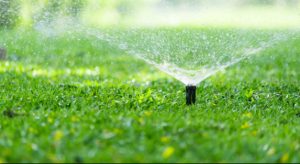
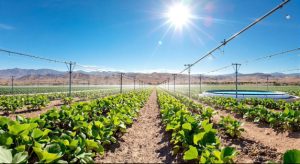
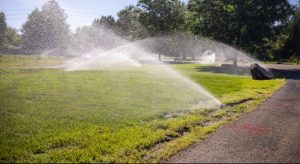
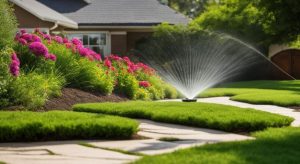
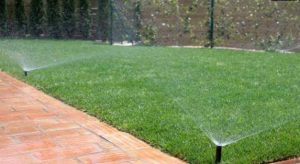
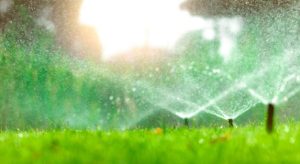
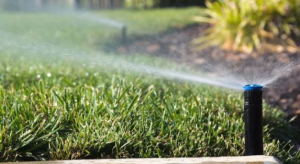
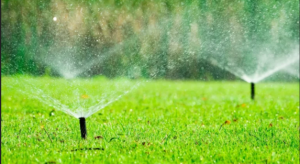
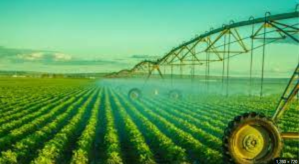
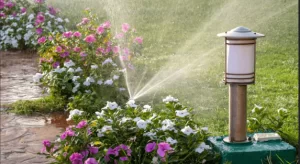
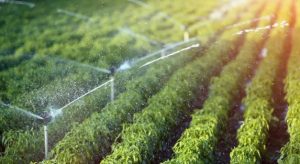
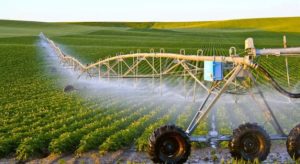
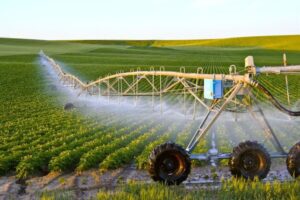
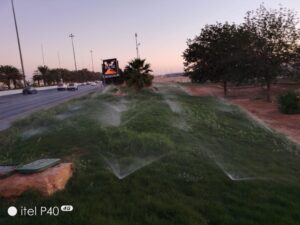
In a water-scarce region like Saudi Arabia, efficient irrigation is not a luxury—it’s a necessity. Softscape landscaping installation must include carefully planned irrigation systems to ensure that plants receive adequate moisture without waste. Traditional methods like sprinklers often result in significant water loss due to evaporation and runoff. Instead, modern, water-efficient irrigation solutions are favored.
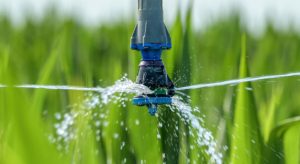
Drip irrigation systems are among the most effective options. They deliver water directly to the plant's root zone, minimizing evaporation and ensuring that water goes exactly where it’s needed. These systems can be automated and adjusted according to plant type, season, and weather conditions, making them highly adaptable.
Soaker hoses are another option, especially useful for densely planted beds. These hoses allow water to seep slowly into the soil, promoting deep root growth and reducing surface water loss. Additionally, incorporating smart controllers that use weather data and soil moisture sensors can further enhance water efficiency by adjusting watering schedules automatically.
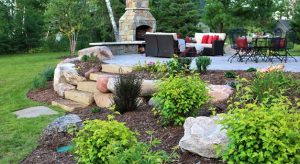
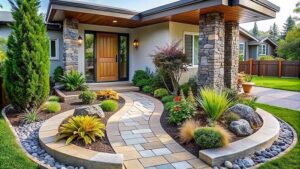
Mulching also plays a critical role in water conservation. Organic mulches like wood chips, bark, or straw help retain soil moisture, reduce surface temperature, and suppress weeds. Inorganic options such as gravel or decorative stone can be used for aesthetic purposes while also supporting water retention.
Overall, a well-designed irrigation system tailored to the unique needs of a landscape not only conserves water but also ensures healthier, more resilient plant life. Investing in the right irrigation infrastructure from the outset is a wise decision that pays long-term dividends in sustainability and plant vitality.
Designing with Function and Aesthetics in Mind
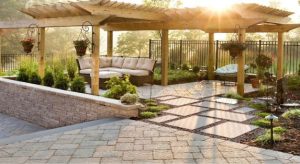
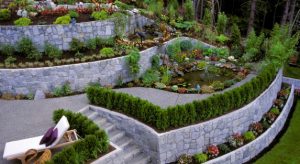
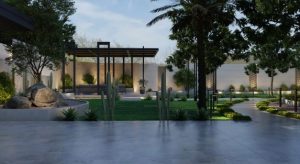
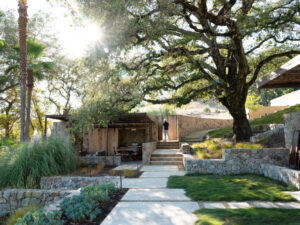
When planning a softscape installation, balancing functionality with aesthetics is key to creating a harmonious outdoor environment. In Saudi Arabia, where residential and commercial properties often emphasize architectural splendor, softscape design should serve as a complementary element that enhances both usability and visual appeal.
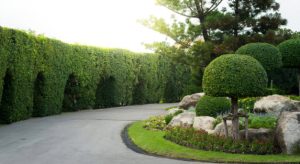
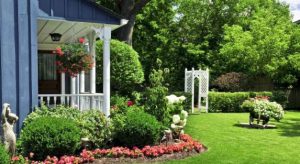
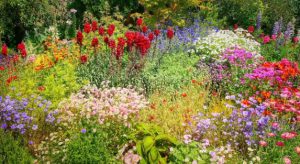
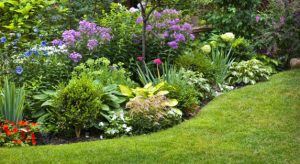
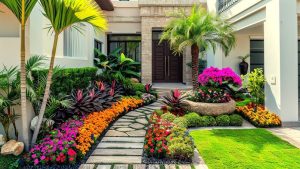
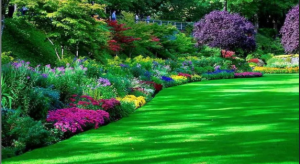
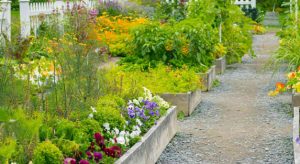
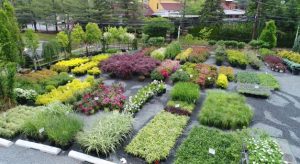
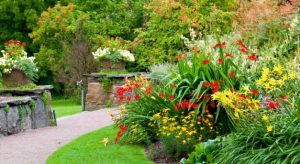
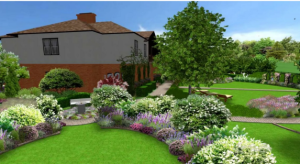
Layering is one fundamental design principle. Arranging plants by varying heights, textures, and colors adds depth and dimension to the landscape. Taller trees can provide shade and structure, mid-level shrubs offer fullness, and ground covers or flowering plants add vibrant details. This layering not only improves the visual flow but also allows for better microclimate management within the garden.
Color theory is another critical element. Selecting a cohesive palette that reflects the surrounding architecture can unify the design. For example, warm earth tones in plants can complement sandstone facades, while cooler greens can offset white or modern structures. Incorporating seasonal plants can also provide year-round interest and a changing visual narrative.
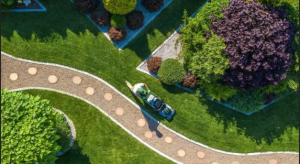
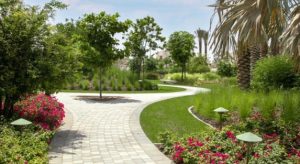
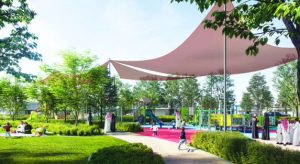
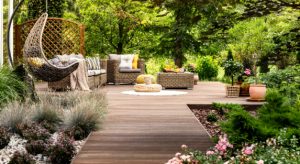
Functionality includes the practical use of space. For instance, creating shaded seating areas with tree canopies, using hedges for privacy, or designing pathways for ease of movement all contribute to a user-friendly landscape. Plants can also be strategically positioned as windbreaks or dust barriers, which is particularly beneficial in desert environments.
Ultimately, good design is about storytelling—blending cultural elements, natural beauty, and modern needs into a cohesive, liveable outdoor space. A softscape installation that is both beautiful and purposeful will not only elevate the property’s ambiance but also enrich the daily lives of those who interact with it.
Sustainable Landscaping Practices
Incorporating sustainable practices into softscape landscaping installation in Saudi Arabia is not just an environmental responsibility—it’s also a necessity due to the region’s arid conditions and limited natural resources. Sustainable landscaping ensures that green spaces remain viable over time without placing undue strain on the environment or local water supplies.
One of the most impactful practices is xeriscaping—a landscaping method that minimizes water usage by selecting drought-tolerant plants, grouping them by water needs, and using efficient irrigation systems. This method significantly reduces water consumption while maintaining a lush, visually appealing landscape.
Composting and the use of organic fertilizers are other essential sustainable practices. By recycling organic waste into nutrient-rich compost, homeowners and landscapers can reduce their reliance on chemical fertilizers and improve soil health. Compost not only nourishes plants naturally but also enhances the soil's ability to retain moisture, reducing the need for frequent watering.
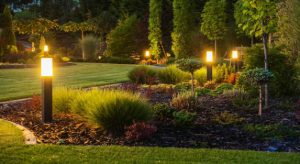
The integration of renewable energy solutions, such as solar-powered lighting for outdoor areas, can further elevate the sustainability profile of a landscape. Solar lighting provides functionality while minimizing energy consumption and utility costs.
Using recycled materials for landscape elements—such as reclaimed wood for benches or repurposed stone for pathways—adds character and reduces waste. Additionally, maintaining a low-maintenance landscape design reduces the need for frequent interventions, thereby conserving labor and resources.
Sustainable landscaping goes beyond environmental conservation. It also fosters a healthier, more balanced ecosystem that benefits both people and wildlife. By embracing sustainability from the ground up, Saudi property owners can enjoy beautiful, functional outdoor spaces that contribute to the broader goals of environmental stewardship and resource efficiency.
Maintenance Planning and Seasonal Care
Proper maintenance is critical to the longevity and success of any softscape landscaping project, particularly in the extreme climate of Saudi Arabia. The region's intense heat, occasional sandstorms, and limited rainfall demand a proactive and well-thought-out maintenance plan that adapts to seasonal changes.
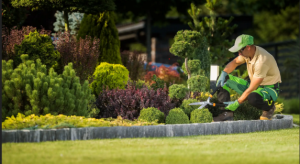
Routine tasks such as watering, pruning, fertilizing, and pest control should be tailored to the needs of each plant species and the specific microclimate of the site. During peak summer months, for example, more frequent watering may be required, especially for newly planted vegetation. Conversely, in cooler months, irrigation schedules can be adjusted to avoid overwatering.
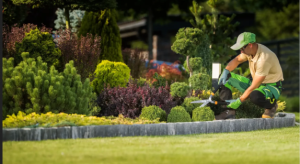
Pruning not only maintains the aesthetic appeal of the landscape but also promotes healthy growth and prevents disease. Deadheading flowers, trimming overgrown branches, and removing diseased plant material are essential tasks that keep the landscape vibrant and healthy.
Pest management is another important consideration. Integrated Pest Management (IPM) practices, which emphasize the use of natural predators and environmentally friendly treatments, are especially valuable in softscape areas. Avoiding harsh chemicals helps preserve beneficial insects and reduces environmental harm.
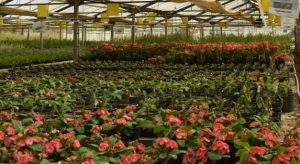
Seasonal plant rotation can also be beneficial, especially for flower beds. Swapping out annuals or adjusting plant placements based on sunlight and temperature variations ensures continuous visual interest and plant health throughout the year.
Maintenance also involves the upkeep of irrigation systems. Regular checks for leaks, clogged emitters, or malfunctioning timers are crucial to maintaining water efficiency. Periodic soil testing and amendment will further support plant health over time.
By establishing a structured maintenance plan and remaining responsive to seasonal needs, property owners in Saudi Arabia can ensure that their softscape installations thrive year-round, retaining both beauty and functionality.
Cultural and Aesthetic Integration
One of the most inspiring aspects of softscape landscaping installation in Saudi Arabia is the opportunity to integrate cultural identity into the natural environment. Landscaping is not just about planting trees and flowers—it’s also about storytelling and expression. In the Kingdom, traditional design principles can coexist beautifully with modern aesthetics when planned thoughtfully.
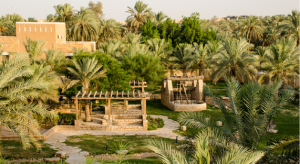
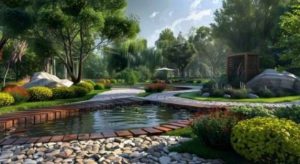
Incorporating elements of Islamic garden design, such as geometric patterns, symmetry, and water features, can pay homage to the region's rich cultural heritage. The use of date palms, aromatic herbs, and fragrant flowering plants like jasmine and rose not only creates sensory appeal but also evokes a sense of tradition and place.
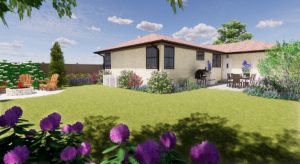
Color schemes and plant groupings can be tailored to complement the architecture of villas, mosques, or commercial structures. For instance, the warm tones of native stone or stucco buildings can be accentuated with plants in rich greens, soft whites, and vivid pinks or purples. Using native species also supports cultural sustainability, preserving the visual character of the local landscape.
Outdoor spaces can be designed to accommodate social traditions, such as shaded seating areas for gatherings, family meals, or tea sessions. Integrating majlis-style arrangements under the canopy of trees or pergolas brings a functional and cultural layer to the landscape design.
Additionally, the integration of artistic elements—such as Arabic calligraphy on stone plaques, decorative pottery, or mosaic tile accents—can transform softscape areas into expressive outdoor art. These features not only enhance the beauty of the landscape but also strengthen its cultural resonance.
Incorporating cultural aesthetics into softscape landscaping allows property owners to create spaces that reflect both personal values and national identity, resulting in landscapes that are as meaningful as they are beautiful.
Choosing the Right Landscaping Partner
Executing a successful softscape landscaping project in Saudi Arabia requires more than a vision—it requires expertise, experience, and reliable partnerships. Selecting the right landscaping company can make all the difference in achieving a high-quality, sustainable, and culturally sensitive installation.
When evaluating potential landscaping partners, consider their familiarity with the local environment. A company with experience in Saudi Arabia will understand the nuances of the climate, soil conditions, native plants, and water management challenges. This knowledge is invaluable when it comes to making informed design and implementation decisions.
Reputation matters. Look for a firm with a proven track record and positive client reviews. Ask to see a portfolio of completed projects, particularly those that showcase softscape elements similar to what you envision. This gives you a sense of the company’s style, capabilities, and attention to detail.
Professional credentials and certifications are also worth considering. A company that adheres to international landscaping standards and employs trained horticulturists and agronomists is more likely to deliver a technically sound and visually compelling result.
Communication is key throughout the planning and execution process. A good landscaping partner will listen to your ideas, provide clear and practical feedback, and keep you informed every step of the way. They should also offer post-installation support, including maintenance services and seasonal care advice.
Finally, ensure that the company values sustainability. Ask about their approach to water conservation, native plant usage, and organic practices. A partner who prioritizes eco-friendly methods will help you achieve a landscape that is not only beautiful but also aligned with Saudi Arabia’s broader environmental goals.
Choosing the right landscaping partner is a foundational step that sets the tone for your entire project. With the right team, you can bring your vision to life in a way that enhances your property and reflects your values.
Conclusion: Cultivating Green Success in the Desert
Softscape landscaping installation in Saudi Arabia is more than just a design project—it’s a commitment to environmental harmony, cultural continuity, and personal expression. In a region where water scarcity and extreme weather conditions prevail, transforming outdoor spaces into lush, livable environments requires both creativity and strategic planning.
From understanding the local climate and soil composition to selecting native plants, optimizing irrigation, and integrating sustainable practices, every step plays a vital role in the success of a landscaping endeavor. Designing for function and beauty, while incorporating cultural elements, ensures that the landscape resonates on both practical and emotional levels.
Maintenance and seasonal care are the lifelines that keep the landscape thriving long after installation, while partnering with the right professionals ensures that the journey from vision to reality is smooth and rewarding.
As Saudi Arabia continues its push toward green development under Vision 2030, softscape landscaping emerges as a vital contributor to urban resilience, environmental quality, and community well-being. Whether you're a homeowner, business owner, or municipal planner, embracing these key considerations will help you cultivate a landscape that thrives—sustainably and beautifully—in the heart of the desert.
By blending ecological intelligence, cultural awareness, and thoughtful design, softscape landscaping in Saudi Arabia is redefining what’s possible, one green space at a time.
- Fountain and Waterfalls
- Gardening
- hardscape
- Irrigation system
- Landscape
- Lawn
- Nursery
- Palm Tree
- Plantation and Maintenance
- softscape
- Tree Transplanting
- Washingtonian Tree
Categories
Latest Post
 .
.














- Fountain and Waterfalls
- Gardening
- hardscape
- Irrigation system
- Landscape
- Lawn
- Nursery
- Palm Tree
- Plantation and Maintenance
- softscape
- Tree Transplanting
- Washingtonian Tree