 +966 50 444 4872


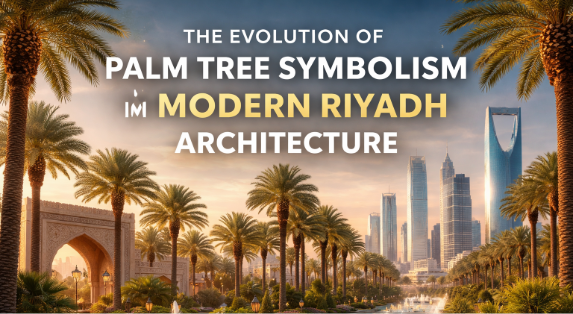
The Evolution of Palm Tree Symbolism in Modern Riyadh Architecture
13 February, 2026
Palm trees have long stood as powerful cultural, environmental, and architectural symbols in Saudi Arabia. In Riyadh especially, their presence goes far beyond landscaping. Today, the work of every Palm tree supplier in Riyadh is not merely about providing greenery—it is about sustaining a visual language deeply embedded in national identity. As modern architecture reshapes the capital’s skyline, palm trees continue to evolve in meaning, bridging heritage and innovation.
Historical Foundations: From Survival Resource to National Emblem
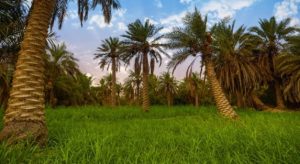
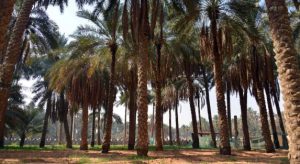
The palm tree has occupied a central place in the environmental, cultural, and architectural history of Riyadh for centuries. Long before modern infrastructure reshaped the city, palms were essential to survival in the harsh desert climate. They provided food in the form of dates, shade against extreme heat, and raw materials for shelter construction. In early settlements across central Arabia, palm trunks were used as structural supports, while fronds were woven into roofing systems. This utilitarian role gradually evolved into symbolic importance, representing resilience, prosperity, and life in an arid landscape.
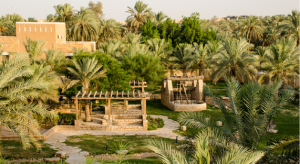
As Riyadh expanded and modernization accelerated, the symbolic value of palms did not diminish; instead, it became institutionalized within national identity. The palm tree came to represent growth and stability, aligning with the country’s economic and social development. In architecture, this symbolism carried forward into courtyard designs, mosque landscapes, and civic spaces. Traditional Najdi homes frequently incorporated palm-centered courtyards, blending climatic adaptation with cultural meaning.
Today, the role of a Palm tree supplier in Riyadh extends beyond horticulture. Suppliers contribute directly to preserving and reinterpreting this historical symbolism within contemporary developments. Similarly, a reputable Palm tree supplier in Saudi Arabia must understand the deep-rooted cultural context that informs palm placement in both public and private projects. The palm is no longer simply planted; it is positioned strategically to convey identity and continuity.
Companies such as Green Wavs recognize that supplying palms involves sustaining a legacy. Each mature tree installed in a commercial boulevard or residential compound reflects centuries of architectural adaptation and symbolic evolution. The historical foundation of palm symbolism remains embedded in Riyadh’s urban transformation, reinforcing the connection between tradition and progress.
Integration into Contemporary Urban and Architectural Design
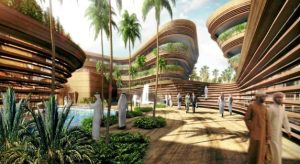
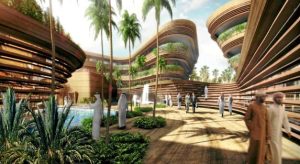
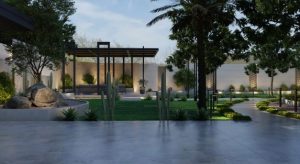
Modern Riyadh architecture represents a dynamic fusion of global design principles and regional heritage. Glass facades, steel frameworks, and large-scale mixed-use developments now define much of the skyline. Within this evolving urban environment, palm trees serve as deliberate architectural counterpoints—introducing organic texture, vertical rhythm, and cultural grounding. Their integration into contemporary projects is not incidental; it is highly intentional and strategically planned.
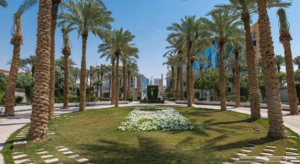
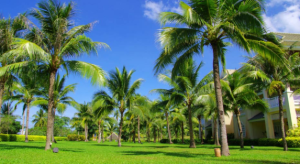
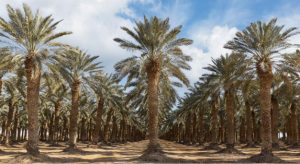
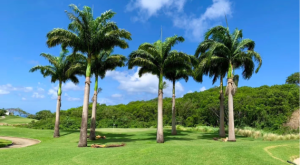
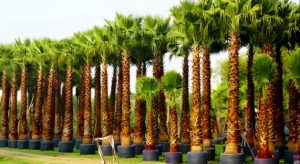
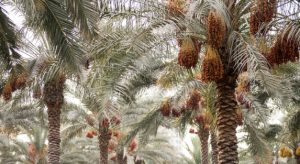
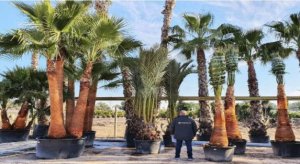
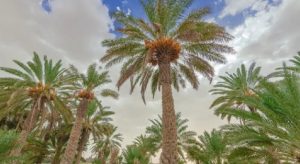
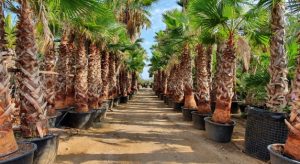
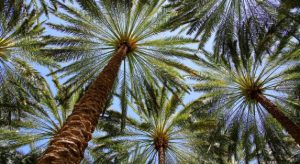
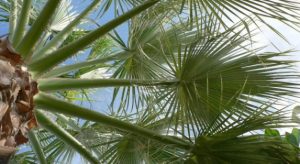
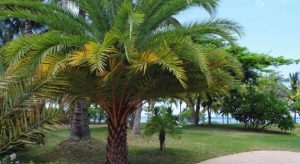
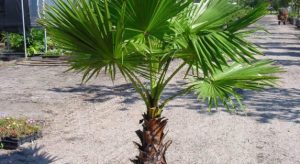
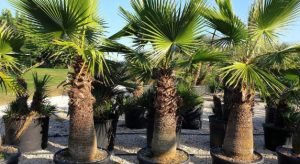
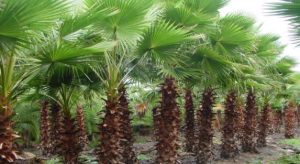
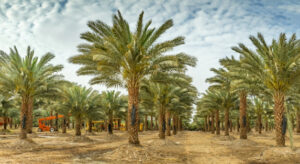
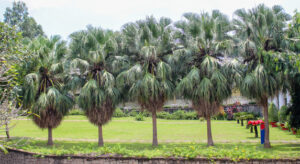
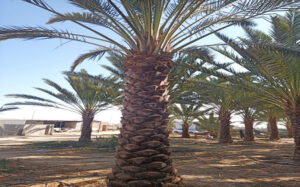
Urban designers utilize palms to create structured avenues, define pedestrian corridors, and frame monumental entrances. Tall Washingtonia species provide dramatic vertical emphasis, complementing skyscrapers and commercial towers. Date palms, on the other hand, reinforce cultural authenticity in hospitality, residential, and governmental complexes. The selection process often involves collaboration between landscape architects, engineers, and a professional Palm tree supplier in Riyadh to ensure aesthetic alignment with structural design.
In addition to visual symbolism, palms play a functional architectural role. Their canopies provide shade that reduces surface temperatures, improving outdoor comfort in public plazas and walkways. This climatic contribution strengthens their symbolic association with protection and well-being. A skilled Palm tree supplier in Saudi Arabia must therefore evaluate root stability, irrigation compatibility, wind resistance, and long-term growth patterns to ensure both symbolic and structural harmony.
Green Wavs exemplifies how suppliers are adapting to these modern requirements by delivering customized palm solutions tailored to architectural specifications. In contemporary Riyadh, palm trees are integrated into master plans as essential design elements rather than decorative afterthoughts. Their presence reinforces cultural continuity while enhancing the sophistication of modern architectural expression.
Sustainability, Vision 2030, and the Reinvention of Symbolism
Saudi Arabia’s Vision 2030 initiative has accelerated urban development while emphasizing environmental sustainability and livability. Within this context, palm trees have acquired renewed symbolic relevance. They no longer represent solely tradition and prosperity; they now embody ecological responsibility and climate adaptation strategies in Riyadh’s rapidly expanding metropolitan environment.
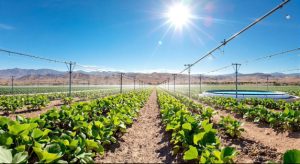
Palm trees are particularly suited to desert climates due to their drought tolerance and heat resilience. When incorporated strategically, they contribute to urban cooling, mitigate heat island effects, and improve air quality. For developers and planners, partnering with a knowledgeable Palm tree supplier in Riyadh ensures that selected species align with water conservation goals and soil conditions. Advanced irrigation systems, soil enhancement techniques, and sustainable nursery practices are now integral components of modern palm supply operations.
The role of a Palm tree supplier in Saudi Arabia increasingly includes consultation on environmental impact, survival forecasting, and long-term maintenance planning. Sustainable landscaping has become a competitive differentiator in commercial and residential projects. Palm trees, once symbols of basic sustenance, are now evaluated as climate-responsive infrastructure assets.
Green Wavs supports this symbolic reinvention by integrating sustainability-driven practices into its supply chain and project execution. From responsible sourcing to efficient transplantation methodologies, the emphasis is on longevity and environmental stewardship. In the context of Vision 2030, palm trees symbolize a future-oriented Riyadh—one that balances heritage with ecological innovation. This transformation underscores how symbolism evolves alongside policy, technology, and environmental priorities.
The Future Outlook: Palm Trees as Architectural Identity Anchors
As Riyadh positions itself as a global city, architectural identity becomes increasingly significant. Palm trees continue to serve as visual anchors that connect modern developments to regional authenticity. In luxury resorts, financial districts, cultural institutions, and smart city initiatives, palms reinforce a distinctive Middle Eastern aesthetic that differentiates Riyadh from other global capitals.
Looking forward, the responsibilities of a Palm tree supplier in Riyadh will expand further into data-driven planning and precision logistics. Mature palm transplantation requires specialized equipment, root-ball stabilization techniques, and controlled acclimatization processes. Suppliers must coordinate with engineers and project managers to ensure safe integration into complex urban sites. Meanwhile, a Palm tree supplier in Saudi Arabia must remain responsive to regulatory standards, phytosanitary requirements, and large-scale procurement demands associated with mega projects.
Symbolically, palm trees will continue evolving from heritage markers to indicators of premium urban quality. Their presence communicates exclusivity, environmental mindfulness, and cultural respect. Companies like Green Wavs play a pivotal role in sustaining this architectural narrative by aligning horticultural expertise with urban ambition.
The evolution of palm tree symbolism in modern Riyadh architecture reflects a broader transformation: from survival necessity to national emblem, from decorative feature to sustainable infrastructure, and from cultural relic to forward-looking design statement. As the city advances, palm trees will remain enduring symbols—living elements that embody continuity, resilience, and progress within Riyadh’s architectural future.
Engineering Precision: The Technical Evolution Behind Palm Integration
As palm trees transition from symbolic heritage markers to engineered architectural elements, the technical standards governing their selection and installation have significantly advanced. Modern developments in Riyadh require precision planning that integrates structural engineering, soil science, irrigation design, and long-term growth forecasting. The involvement of a specialized Palm tree supplier in Riyadh is no longer limited to plant delivery; it extends into site analysis, technical consultation, and performance assurance.
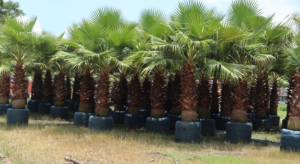
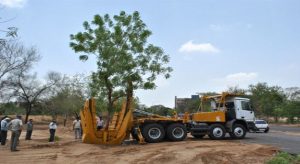
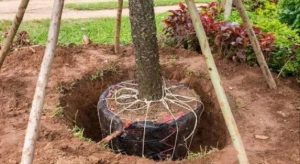
Large-scale commercial and governmental projects often demand mature palm transplantation to achieve immediate visual impact. This requires careful root-ball preparation, hydraulic lifting systems, transport stabilization, and post-installation acclimatization protocols. Wind-load calculations and underground utility mapping are also critical, particularly in high-density urban districts. A professional Palm tree supplier in Saudi Arabia must coordinate with civil engineers and landscape architects to ensure compliance with safety and infrastructure regulations.
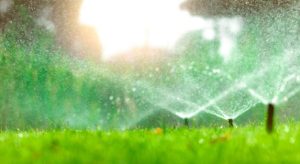
Technological advancements have further refined palm integration strategies. Soil moisture sensors, automated drip irrigation systems, and growth monitoring technologies now support long-term tree health. These innovations allow suppliers to forecast survivability rates and minimize transplant shock. The engineering precision involved ensures that palms maintain both their symbolic integrity and structural reliability within complex architectural environments.
Green Wavs exemplifies this technical evolution by aligning horticultural expertise with modern engineering requirements. By combining environmental assessment with architectural coordination, suppliers contribute to both aesthetic continuity and infrastructure resilience. In today’s Riyadh, palm symbolism is reinforced not only through cultural meaning but also through technical sophistication and operational precision.
Commercial Prestige and Luxury Identity in Urban Landscapes
In contemporary Riyadh, palm trees increasingly function as markers of prestige and exclusivity. High-end residential compounds, luxury hospitality developments, and financial districts use palm-lined avenues to create immediate visual authority. The palm’s tall, symmetrical silhouette conveys order, elegance, and permanence—qualities that align closely with premium architectural branding strategies.
For developers, collaborating with a trusted Palm tree supplier in Riyadh ensures that species selection supports the desired market positioning. Uniform trunk height, canopy density, and spacing symmetry contribute to a cohesive design language. In commercial boulevards and retail destinations, palms frame storefronts and pedestrian corridors, enhancing experiential appeal and reinforcing upscale identity.
Beyond aesthetics, palms influence psychological perception. Their presence suggests environmental comfort, shaded refuge, and curated design. In desert climates, this perception carries significant value. A qualified Palm tree supplier in Saudi Arabia must therefore evaluate not only horticultural performance but also visual consistency across large-scale installations.
Green Wavs supports these high-profile projects by delivering palms that meet strict aesthetic and quality benchmarks. As Riyadh continues to attract global investment and tourism, palm trees will remain integral to shaping the city’s luxury narrative. Their symbolism now encompasses prosperity, architectural refinement, and cosmopolitan ambition—demonstrating how a traditional icon adapts seamlessly to modern commercial identity.
Cultural Continuity in Smart City and Mega Developments
Riyadh’s rapid transformation into a smart and technologically advanced metropolis introduces new architectural paradigms. Despite futuristic materials, AI-driven infrastructure, and digitally integrated districts, palm trees persist as grounding elements that preserve cultural continuity. Within mega developments, they provide a familiar visual anchor that connects innovation with heritage.
Smart city planning increasingly incorporates sustainable landscaping strategies, positioning palms as both cultural symbols and environmental assets. A forward-looking Palm tree supplier in Riyadh must align supply capabilities with large-scale master plans, often involving phased planting strategies and coordinated maintenance programs. Integration with intelligent irrigation systems and environmental monitoring platforms further enhances operational efficiency.
Mega projects demand substantial procurement capacity and logistical coordination. A reliable Palm tree supplier in Saudi Arabia must ensure consistent quality across thousands of trees while maintaining compliance with environmental standards. This operational scale reinforces the palm’s role as a unifying design feature across expansive developments.
Green Wavs contributes to this continuity by supporting projects that blend advanced urban planning with traditional landscaping identity. In smart districts and innovation hubs, palms symbolize stability amid transformation. Their enduring presence communicates that while Riyadh evolves technologically, it remains deeply connected to its cultural and environmental roots.
Through this integration of symbolism, engineering, and sustainability, palm trees continue shaping the architectural narrative of modern Riyadh—serving as timeless elements within an increasingly futuristic cityscape.
Environmental Psychology and Urban Well-Being
As Riyadh expands into a denser and more vertically oriented metropolis, the psychological impact of landscaping has gained greater attention among planners and architects. Palm trees, beyond their structural and symbolic roles, contribute meaningfully to environmental psychology. Their vertical elegance, rhythmic spacing, and expansive canopies influence how individuals perceive space, comfort, and prestige within urban settings.
Research in urban design consistently demonstrates that structured greenery enhances cognitive comfort, reduces perceived heat stress, and increases overall satisfaction in public environments. In Riyadh’s arid climate, the visual presence of palms signals relief and livability. A strategically positioned row of palms along boulevards or surrounding plazas creates spatial order and visual harmony. This reinforces the palm’s symbolic association with refuge and stability.
A professional Palm tree supplier in Riyadh plays an indirect yet crucial role in shaping these psychological outcomes. Species selection, trunk maturity, canopy spread, and planting density all influence human perception. Poor alignment or inconsistent sizing can disrupt visual balance, while precision planning enhances the experiential quality of a development. Similarly, a reputable Palm tree supplier in Saudi Arabia must understand how large-scale installations contribute to pedestrian flow, shade mapping, and public space usability.
Green Wavs supports this human-centered design approach by ensuring palms are selected and installed with both environmental and experiential considerations in mind. As Riyadh prioritizes quality of life initiatives, palm trees are increasingly viewed not just as decorative or symbolic elements, but as contributors to urban well-being. Their evolution now extends into psychological and social dimensions, reinforcing their significance in modern architectural strategy.
Long-Term Urban Legacy and Generational Planning
Palm trees possess a lifespan that often exceeds the lifecycle of the buildings they surround. This longevity introduces a generational dimension to architectural planning in Riyadh. When developers incorporate mature palms into projects, they are not simply enhancing immediate aesthetics—they are establishing living assets that will shape the identity of that space for decades.
This long-term perspective elevates the responsibility of a Palm tree supplier in Riyadh. Proper root conditioning, soil compatibility assessment, irrigation planning, and post-transplant care determine whether palms will thrive for generations or decline prematurely. Urban planners increasingly view palms as legacy infrastructure, particularly in public institutions, civic plazas, and heritage districts.
A capable Palm tree supplier in Saudi Arabia must therefore adopt a lifecycle-oriented approach. This includes forecasting growth patterns, anticipating climate shifts, and implementing maintenance frameworks that protect long-term vitality. Mature palms often become landmarks within neighborhoods, influencing community identity and spatial memory.
Green Wavs approaches palm supply with this legacy mindset, recognizing that each tree contributes to Riyadh’s evolving urban narrative. As architectural styles change and districts modernize, palm trees remain constant visual markers of continuity. Their symbolism has matured from immediate utility to intergenerational significance.
In the broader trajectory of Riyadh’s architectural development, palm trees function as enduring anchors. They bridge past and future, tradition and innovation, environment and structure. The evolution of their symbolism reflects not only cultural heritage but also strategic urban foresight—ensuring that modern Riyadh retains a living connection to its foundational identity.
Infrastructure Resilience and Climate Adaptation Strategy
As climate variability intensifies across arid regions, infrastructure resilience has become a defining priority in Riyadh’s urban planning framework. Palm trees, traditionally admired for their aesthetic and cultural symbolism, are increasingly recognized as adaptive landscape assets capable of withstanding extreme heat, wind exposure, and water scarcity. Their biological resilience makes them uniquely suited to long-term integration within the capital’s expanding built environment.
A specialized Palm tree supplier in Riyadh must now operate within a climate-adaptive planning model. This includes selecting species with high heat tolerance, strong root anchoring systems, and minimal water dependency. Wind resistance is particularly important in open boulevards and high-rise corridors where aerodynamic forces can be amplified. Structural anchoring during transplantation, soil compaction management, and staged irrigation programming all contribute to long-term environmental stability.
At a national level, a forward-thinking Palm tree supplier in Saudi Arabia plays a strategic role in supporting large-scale greening initiatives aligned with sustainable development targets. Palms contribute to dust mitigation, localized cooling, and improved microclimates in pedestrian-heavy districts. Their integration into urban infrastructure complements shaded walkways, reflective paving systems, and water-efficient irrigation networks.
Green Wavs aligns its supply methodologies with these resilience principles, ensuring that palm installations are engineered for environmental longevity rather than short-term visual effect. The symbolic meaning of palms in Riyadh has thus evolved to represent not only prosperity and heritage, but also environmental endurance. In a city preparing for climatic uncertainty, palm trees embody adaptability—serving as living infrastructure that reinforces architectural durability and ecological balance.
Economic Value Creation and Strategic Urban Branding
In the contemporary development landscape, architectural symbolism intersects directly with economic strategy. Palm trees now function as value-generating assets within Riyadh’s competitive real estate and tourism markets. Their presence enhances perceived project quality, elevates brand identity, and contributes to premium positioning across commercial and residential sectors.
Developers increasingly consult a professional Palm tree supplier in Riyadh during early-stage planning to ensure landscape integration aligns with investment objectives. Palm-lined entrances create immediate visual distinction for corporate headquarters and luxury compounds. In hospitality projects, symmetrical palm arrangements reinforce exclusivity and curated elegance. These design choices directly influence market perception and property valuation.
On a broader scale, a reputable Palm tree supplier in Saudi Arabia contributes to the country’s urban branding strategy. Riyadh’s international image increasingly incorporates structured greenery and climate-adapted landscapes as part of its modernization narrative. Palm trees serve as instantly recognizable visual identifiers, differentiating the city within global architectural discourse.
Green Wavs supports these branding objectives by delivering high-quality palm specimens tailored to project-specific standards. Through careful selection, uniform sizing, and strategic placement, suppliers contribute to a cohesive urban identity. The economic dimension of palm symbolism underscores its evolution: from subsistence resource to national emblem, and now to strategic branding instrument. In this context, palm trees are not only cultural icons but also drivers of urban competitiveness and long-term economic positioning.
Conclusion: A Living Symbol in a Transforming Metropolis
The evolution of palm tree symbolism in modern Riyadh architecture reflects a layered transformation spanning history, culture, engineering, sustainability, psychology, and economics. What began as a survival necessity in desert settlements has matured into a multifaceted architectural asset embedded in the capital’s contemporary identity.
Today, the responsibilities of a Palm tree supplier in Riyadh extend well beyond horticulture. Suppliers participate in shaping skyline aesthetics, environmental resilience, and long-term urban legacy. Likewise, a strategic Palm tree supplier in Saudi Arabia operates at the intersection of tradition and innovation, ensuring that palms remain viable contributors to large-scale national development initiatives.
Green Wavs exemplifies this expanded role by integrating technical precision, sustainability alignment, and architectural collaboration into its supply framework. Each palm installed within Riyadh’s urban landscape reinforces a narrative of continuity—connecting historic roots with future ambition.
As Riyadh advances toward a globally competitive, technologically sophisticated future, palm trees remain enduring symbols of stability, prosperity, and adaptability. Their presence within modern architecture is neither accidental nor ornamental. It is intentional, strategic, and deeply meaningful. In a rapidly transforming metropolis, palm trees stand as living testaments to cultural identity—bridging generations while anchoring the city’s architectural evolution in both heritage and forward-looking vision.
- Fountain and Waterfalls
- Gardening
- hardscape
- Irrigation system
- Landscape
- Lawn
- Nursery
- Palm Tree
- Plantation and Maintenance
- softscape
- Tree Transplanting
- Washingtonian Tree
Categories
Latest Post
 .
.













- Fountain and Waterfalls
- Gardening
- hardscape
- Irrigation system
- Landscape
- Lawn
- Nursery
- Palm Tree
- Plantation and Maintenance
- softscape
- Tree Transplanting
- Washingtonian Tree