 +966 50 444 4872


The Role of Landscape Architects in Saudi Urban Development
24 December, 2025
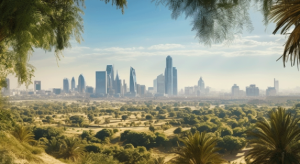
Saudi Arabia is undergoing one of the most ambitious urban transformations in the world. Driven by Vision 2030, rapid urbanization, and sustainability goals, cities across the Kingdom are redefining how public and private spaces are planned, built, and maintained. At the center of this transformation are landscape architects, professionals whose expertise bridges environmental stewardship, urban functionality, and aesthetic excellence. Their role has become indispensable to the growth and evolution of landscape services in Saudi Arabia, particularly in major metropolitan hubs such as Riyadh.
1. Landscape Architecture in Saudi Arabia: Scope and Strategic Importance
Landscape architecture in Saudi Arabia has evolved from a decorative function into a strategic discipline that directly influences urban planning, sustainability, and quality of life. With rapid urban expansion and large-scale infrastructure development, landscape architects are now essential contributors to the planning and execution of outdoor environments across residential, commercial, and public sectors. Their role is deeply integrated into the broader ecosystem of landscape services in Saudi Arabia, where design intelligence meets environmental responsibility.
In the Saudi context, landscape architects must address complex variables such as extreme heat, arid soil conditions, limited water resources, and cultural expectations related to privacy and social interaction. Unlike temperate regions, landscape design in the Kingdom requires precise plant selection, advanced irrigation planning, and long-term maintenance strategies. Landscape architects provide this expertise by combining technical knowledge with contextual design solutions that are both functional and visually appealing.
Urban centers like Riyadh rely heavily on professional landscape architects to shape parks, streetscapes, residential compounds, and mixed-use developments. A well-established landscape company in Riyadh typically works under the guidance of landscape architects to ensure that projects meet municipal regulations, sustainability standards, and client expectations. This collaboration ensures that outdoor spaces are not only attractive at launch but also resilient and cost-effective over time.
As Saudi cities continue to densify, landscape architects help balance built environments with green infrastructure. Their work supports healthier urban living, enhances environmental performance, and contributes to the long-term success of landscape projects across the Kingdom.
2. Supporting Vision 2030 Through Sustainable Urban Landscapes
Saudi Vision 2030 places strong emphasis on sustainability, environmental protection, and improving the quality of urban life. Landscape architects play a critical role in translating these national objectives into tangible, functional outdoor spaces. Their designs are a key pillar of modern landscape services in Saudi Arabia, especially in large-scale urban regeneration and public infrastructure projects.
One of the core responsibilities of landscape architects is promoting sustainable land use. This includes incorporating native and adaptive plant species that thrive in Saudi climatic conditions while minimizing water consumption. By designing water-efficient landscapes and integrating smart irrigation systems, landscape architects significantly reduce resource dependency without compromising visual appeal.
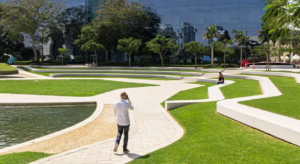
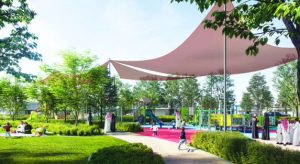
Public parks, green corridors, and recreational spaces designed under Vision 2030 aim to encourage physical activity, social engagement, and mental well-being. Landscape architects carefully plan circulation paths, shaded seating areas, and open lawns to create inclusive environments for all age groups. These elements are now standard expectations for government-backed developments and private projects alike.
A reputable landscape company in Riyadh often executes Vision 2030-aligned projects by following detailed landscape architectural plans that prioritize sustainability and longevity. This synergy ensures that urban green spaces contribute to environmental goals while remaining economically viable.
Through sustainable design practices, landscape architects help Saudi cities reduce urban heat, improve air quality, and enhance ecological balance—key outcomes envisioned under Vision 2030.
3. Enhancing Urban Livability and Community Well-Being
Urban livability has become a central focus of development across Saudi Arabia, and landscape architects are instrumental in shaping cities that prioritize human comfort and social interaction. Thoughtfully designed landscapes improve daily life by offering accessible, safe, and aesthetically pleasing outdoor environments. This human-centered approach defines high-quality landscape services in Saudi Arabia.
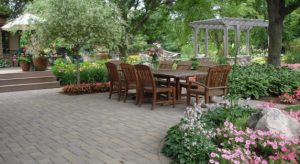
Landscape architects design spaces that encourage people to spend time outdoors despite climatic challenges. Shaded walkways, tree-lined streets, pocket parks, and community plazas are carefully planned to provide thermal comfort and visual relief in dense urban settings. These features help mitigate the effects of heat while fostering a sense of belonging within neighborhoods.
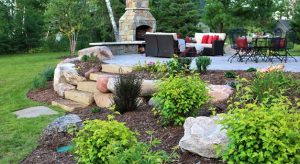
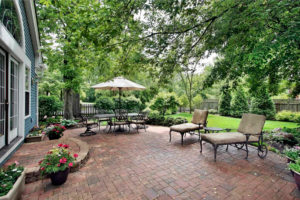
In residential developments, landscape architects create private and semi-private outdoor spaces that align with cultural norms while enhancing lifestyle value. Courtyards, garden areas, and communal green spaces are designed to support family living and social gatherings. In commercial districts, landscapes enhance pedestrian flow, brand identity, and overall user experience.
A professional landscape company in Riyadh plays a key role in implementing these designs, ensuring high construction standards and ongoing maintenance. When executed correctly, landscape architecture becomes a long-term asset rather than a recurring expense.
By improving walkability, encouraging outdoor activities, and strengthening social cohesion, landscape architects directly contribute to healthier, more livable Saudi cities.
4. Climate-Responsive Design and Technical Innovation
Saudi Arabia’s environmental conditions demand advanced technical expertise, making climate-responsive design a defining responsibility of landscape architects. Their ability to design resilient outdoor environments is a cornerstone of professional landscape services in Saudi Arabia.
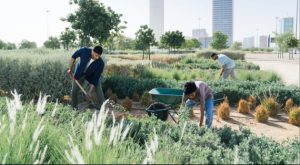
Landscape architects address extreme heat by strategically placing trees, pergolas, and built shading structures to reduce surface temperatures and improve microclimates. Plant selection is based on drought tolerance, soil compatibility, and long-term survivability, ensuring landscapes remain healthy with minimal intervention. Hardscape materials are chosen to withstand thermal expansion and reduce heat absorption.
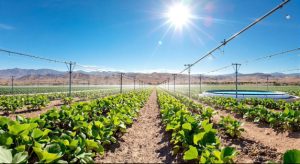
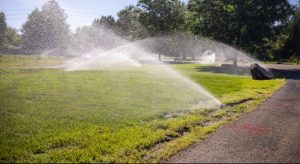
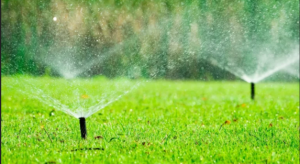
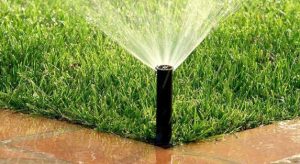
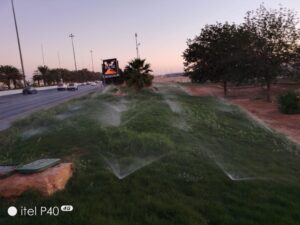
Water management is another critical area of focus. Landscape architects design irrigation systems that utilize drip technology, moisture sensors, and automated controls to prevent water waste. These systems are essential for sustainable landscaping in both public and private projects.
Innovation is increasingly shaping modern landscapes. Smart technologies, renewable materials, and data-driven maintenance planning are now integrated into landscape architectural design. A forward-thinking landscape company in Riyadh adopts these innovations during execution to deliver future-ready projects.
Through climate-adaptive strategies and technical precision, landscape architects ensure that Saudi landscapes are durable, efficient, and aligned with environmental realities.
5. Collaboration With Landscape Companies and Future Outlook
Successful urban landscape development depends on strong collaboration between landscape architects and execution partners. While architects provide design vision and technical guidance, implementation is carried out by specialized contractors and service providers. This partnership defines the operational strength of landscape services in Saudi Arabia.
A reliable landscape company in Riyadh works closely with landscape architects to translate design intent into high-quality construction. This includes sourcing appropriate materials, managing site conditions, coordinating with other contractors, and ensuring compliance with approved plans. Ongoing maintenance strategies are also developed in collaboration to protect long-term project value.
Looking ahead, the role of landscape architects will continue to expand as Saudi Arabia embraces smart cities, green infrastructure, and climate resilience. Future developments will demand landscapes that integrate technology, sustainability, and cultural identity seamlessly.
As urban populations grow and expectations rise, landscape architects will remain central to shaping cities that are not only visually impressive but also functional, sustainable, and people-focused. Supported by experienced landscape companies, they will continue to redefine the standards of excellence in Saudi urban development.
6. Role of Landscape Architects in Public Infrastructure and Mega Projects
Public infrastructure and mega development projects are a defining feature of Saudi Arabia’s urban expansion. Landscape architects play a critical role in shaping these large-scale initiatives by ensuring that outdoor environments are functional, sustainable, and aligned with national development goals. Their contribution has become a core component of advanced landscape services in Saudi Arabia, particularly in government-backed and high-visibility projects.
Landscape architects are involved in the planning of public parks, road corridors, transportation hubs, waterfronts, and cultural districts. Their responsibility extends beyond aesthetics to include circulation planning, safety, accessibility, and environmental integration. In large urban projects, they design green buffers, pedestrian-friendly pathways, shaded waiting areas, and public gathering spaces that enhance usability and comfort.
Mega projects require long-term vision. Landscape architects anticipate future population growth, maintenance needs, and climate impacts while designing adaptable outdoor spaces. Their master planning expertise ensures that landscapes remain functional and visually coherent over decades, even as surrounding developments evolve.
Execution of such projects is typically handled by experienced contractors. A well-established landscape company in Riyadh collaborates closely with landscape architects to implement designs at scale, ensuring precision, quality control, and compliance with municipal and environmental regulations.
Through their involvement in infrastructure and mega projects, landscape architects help transform large urban developments into livable environments, reinforcing the importance of professional landscape planning in Saudi Arabia’s urban future.
7. Contribution to Residential and Mixed-Use Developments
Residential and mixed-use developments are a major focus area for landscape architects, as these projects directly impact daily living experiences. In Saudi Arabia, landscape architecture adds significant functional and economic value to villas, housing compounds, and integrated communities. This value-driven approach defines premium landscape services in Saudi Arabia.
Landscape architects design outdoor spaces that balance privacy, comfort, and cultural sensitivity. Courtyards, boundary planting, and screened garden areas are carefully planned to respect social norms while enhancing visual appeal. In gated communities, shared green spaces, children’s play areas, and walking paths are designed to promote community interaction and wellness.
In mixed-use developments, landscape architects address complex spatial requirements. They create seamless transitions between residential, commercial, and recreational zones through cohesive landscape design. These environments enhance foot traffic, improve user experience, and increase property desirability.
A professional landscape company in Riyadh executes these designs with attention to detail, ensuring that materials, planting schemes, and irrigation systems are installed to specification. Proper execution is essential to preserve the long-term performance and visual integrity of the landscape.
By enhancing functionality, aesthetics, and market value, landscape architects make residential and mixed-use projects more attractive to developers, investors, and end users across Saudi Arabia.
8. Economic Value and Return on Investment of Landscape Architecture
Landscape architecture is not merely an aesthetic investment; it delivers measurable economic returns. Well-designed landscapes increase property value, reduce maintenance costs, and improve long-term asset performance. These financial benefits reinforce the strategic importance of professional landscape services in Saudi Arabia.
Landscape architects optimize resource usage by designing efficient irrigation systems, selecting low-maintenance plant species, and planning durable hardscape elements. These choices significantly reduce operational expenses over time. For developers and property owners, this translates into lower lifecycle costs and higher profitability.
In commercial developments, high-quality landscapes enhance brand perception and customer experience. Hotels, retail centers, and office complexes with professionally designed outdoor spaces attract more visitors, command higher rents, and retain tenants more effectively.
A reputable landscape company in Riyadh ensures that the economic benefits envisioned during design are realized during construction and maintenance. Accurate execution and proper aftercare protect the initial investment and extend the lifespan of landscape assets.
By delivering both visual impact and financial efficiency, landscape architects position landscaping as a value-generating component rather than a discretionary expense.
9. Integration of Technology and Smart Landscaping Solutions
Technology is rapidly transforming the landscaping industry, and landscape architects are at the forefront of this evolution. Smart landscaping solutions are now an essential part of modern landscape services in Saudi Arabia, particularly in urban and commercial developments.
Landscape architects integrate digital tools and automation into design planning and maintenance strategies. Smart irrigation systems use sensors and data analytics to adjust water usage based on soil moisture, weather conditions, and plant needs. This technology significantly improves efficiency and sustainability.
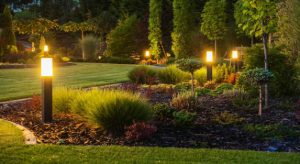
Lighting systems controlled by timers and sensors enhance safety while reducing energy consumption. Landscape architects also incorporate GIS mapping, 3D modeling, and building information modeling (BIM) to improve accuracy during planning and execution.
A forward-looking landscape company in Riyadh adopts these technologies during implementation, ensuring seamless integration and long-term functionality. Proper coordination between designers and contractors is essential for successful smart landscape deployment.
As Saudi cities move toward smart city frameworks, technology-driven landscape architecture will become increasingly important. These innovations enhance performance, reduce costs, and future-proof urban landscapes.
10. Future Outlook for Landscape Architects in Saudi Urban Development
The future of landscape architecture in Saudi Arabia is closely tied to urban growth, sustainability priorities, and evolving lifestyle expectations. Landscape architects will continue to play a central role in shaping cities that are resilient, inclusive, and environmentally responsible. This growing influence will further elevate the standards of landscape services in Saudi Arabia.
Emerging trends such as climate resilience, biodiversity conservation, and wellness-focused design will redefine landscape priorities. Landscape architects will increasingly integrate green infrastructure, urban agriculture, and nature-based solutions into city planning.
Collaboration with experienced contractors will remain essential. A trusted landscape company in Riyadh will continue to serve as a critical partner in delivering complex projects with precision and quality.
As Saudi Arabia advances toward its long-term urban vision, landscape architects will remain key contributors to building cities that balance development with sustainability—ensuring that outdoor spaces enhance both present and future generations.
11. Regulatory Compliance and Urban Planning Integration
Regulatory compliance is a critical aspect of urban development in Saudi Arabia, and landscape architects play a vital role in ensuring that outdoor environments align with municipal regulations, environmental standards, and national planning frameworks. Their expertise ensures that landscape services in Saudi Arabia are not only visually appealing but also legally compliant and strategically aligned with city master plans.
Landscape architects work closely with local authorities to meet zoning requirements, public safety standards, accessibility guidelines, and environmental protection regulations. This includes adherence to setback rules, pedestrian accessibility norms, drainage requirements, and sustainability benchmarks. In public and commercial developments, compliance is essential to secure approvals and avoid costly project delays.
Urban planning integration is another key responsibility. Landscape architects ensure that landscape designs complement surrounding infrastructure, transportation networks, and land-use patterns. Green corridors, buffer zones, and public open spaces are strategically placed to enhance connectivity and urban coherence.
A professional landscape company in Riyadh relies on detailed landscape architectural documentation to execute projects that meet regulatory expectations. Accurate drawings, material specifications, and planting schedules reduce risk and ensure smooth coordination with inspectors and planning authorities.
By aligning design creativity with regulatory precision, landscape architects safeguard project viability while enhancing the long-term functionality of Saudi urban environments.
12. Cultural Identity and Place-Making Through Landscape Design
Cultural identity plays a significant role in Saudi urban development, and landscape architects are instrumental in translating heritage, tradition, and local values into contemporary outdoor spaces. This approach to place-making distinguishes high-quality landscape services in Saudi Arabia from generic landscape solutions.
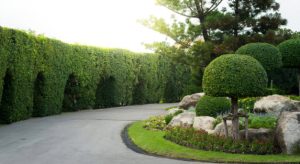
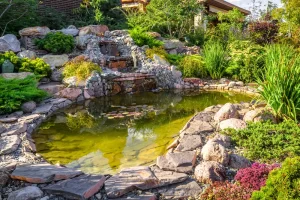
Landscape architects incorporate traditional design elements such as courtyards, water features, shaded walkways, and geometric patterns inspired by Islamic architecture. These elements create spaces that feel authentic while meeting modern functionality and sustainability requirements.
In public spaces, cultural storytelling is embedded through material selection, planting themes, and spatial organization. Native plants, locally sourced stone, and regionally inspired design motifs help reinforce a sense of place and belonging. These landscapes do more than serve functional needs—they become landmarks and community anchors.
A skilled landscape company in Riyadh ensures that cultural design intent is respected during execution. Attention to detail during construction preserves the symbolic and aesthetic value envisioned by the landscape architect.
By blending tradition with innovation, landscape architects create environments that reflect Saudi identity while supporting contemporary urban lifestyles.
13. Maintenance Planning and Long-Term Landscape Performance
Long-term performance is a defining measure of successful landscape architecture. Landscape architects design with maintenance efficiency and durability in mind, ensuring that landscapes remain functional and visually appealing throughout their lifecycle. This long-term perspective is a cornerstone of professional landscape services in Saudi Arabia.
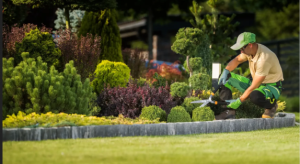
During the design phase, landscape architects select plant species, materials, and systems that minimize maintenance requirements while maximizing longevity. Proper spacing, soil preparation, and irrigation planning reduce plant stress and maintenance costs over time.
Maintenance planning also includes developing detailed schedules and operational guidelines. These plans help property owners and facility managers maintain landscape quality without excessive resource use. For large developments, this proactive approach significantly reduces long-term operational expenses.
A reliable landscape company in Riyadh plays a key role in implementing and sustaining these maintenance strategies. From routine upkeep to seasonal adjustments, professional maintenance ensures that landscapes continue to perform as intended.
By integrating maintenance considerations into design, landscape architects protect investment value and ensure that Saudi urban landscapes remain resilient and cost-effective.
14. Education, Expertise, and the Growing Demand for Landscape Architects
As Saudi Arabia’s urban ambitions expand, the demand for qualified landscape architects continues to rise. Their specialized education and multidisciplinary expertise position them as essential contributors to modern landscape services in Saudi Arabia.
Landscape architects are trained in environmental science, urban design, horticulture, engineering coordination, and project management. This diverse skill set enables them to address complex urban challenges with holistic solutions.
The growing scale of development has increased reliance on professional expertise. Government projects, private developers, and municipalities increasingly recognize the value of landscape architects in delivering sustainable, high-performing outdoor environments.
A leading landscape company in Riyadh benefits significantly from partnering with experienced landscape architects, as their guidance enhances project quality, compliance, and long-term success.
As Saudi cities continue to evolve, landscape architects will remain essential to shaping environments that support economic growth, environmental responsibility, and improved quality of life.
Conclusion: Landscape Architects as Pillars of Saudi Urban Transformation
Landscape architects have emerged as central figures in Saudi Arabia’s urban development journey, shaping cities that are sustainable, functional, and culturally meaningful. Their role extends far beyond visual enhancement, encompassing strategic planning, environmental stewardship, regulatory compliance, and long-term performance management. As urban expansion accelerates across the Kingdom, the importance of professional landscape services in Saudi Arabia continues to grow.
Through climate-responsive design, landscape architects address the Kingdom’s unique environmental challenges while promoting efficient use of natural resources. Their expertise ensures that urban landscapes reduce heat, conserve water, and enhance ecological balance without compromising usability or aesthetics. These contributions directly support national sustainability objectives and the broader goals of Vision 2030.
Collaboration remains a defining factor in successful project delivery. A trusted landscape company in Riyadh plays a vital role in transforming landscape architectural concepts into durable, high-quality environments. This partnership between design and execution ensures consistency, technical accuracy, and long-term value across residential, commercial, and public developments.
Equally important is the role of landscape architects in creating people-centric cities. By designing parks, plazas, streetscapes, and community spaces that encourage interaction and well-being, they enhance quality of life and strengthen social cohesion. Their work fosters environments where economic growth, cultural identity, and environmental responsibility coexist harmoniously.
Looking ahead, landscape architects will continue to shape the future of Saudi cities through innovation, technology integration, and sustainable design leadership. As demand for high-performing outdoor environments rises, their expertise—supported by professional landscape companies—will remain essential to building resilient, livable, and future-ready urban landscapes across Saudi Arabia.
- Fountain and Waterfalls
- Gardening
- hardscape
- Irrigation system
- Landscape
- Lawn
- Nursery
- Palm Tree
- Plantation and Maintenance
- softscape
- Tree Transplanting
- Washingtonian Tree
Categories
Latest Post
 .
.













































- Fountain and Waterfalls
- Gardening
- hardscape
- Irrigation system
- Landscape
- Lawn
- Nursery
- Palm Tree
- Plantation and Maintenance
- softscape
- Tree Transplanting
- Washingtonian Tree