 +966 50 444 4872


The Role of Native Plants in Sustainable Landscaping
24 November, 2025
1. Introduction
Sustainable landscaping is rapidly becoming a cornerstone of modern outdoor development across Saudi Arabia. As cities expand, communities grow, and green initiatives become national priorities, the demand for environmentally friendly landscaping methods is stronger than ever. Within this evolving landscape, native plants are emerging as essential tools in building gardens and outdoor spaces that are not only visually appealing but also ecological, practical, and resilient. A professional Nursery Landscape Company in Saudi Arabia plays a vital role in guiding this transformation, helping property owners understand why native plants are the future of sustainable landscaping in the Kingdom.
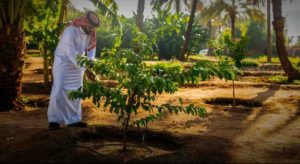
Native plants have existed in Saudi Arabia’s natural habitat for centuries, enduring harsh temperatures, scarce rainfall, and sandy soils. Their adaptation to the region’s demanding climate means they require fewer resources—especially water, fertilizers, and pesticides—when compared to imported species. In a desert-dominated environment, this resource efficiency has powerful implications for long-term sustainability. Today, both residential and commercial landscapes increasingly recognize the importance of creating environmentally responsible outdoor environments, and native plants are at the center of this shift.
Furthermore, native plants offer ecological benefits that extend well beyond simple aesthetic value. They support the natural food chain, attract pollinators, and contribute to a balanced ecosystem. With growing awareness about carbon footprints, biodiversity loss, and water shortages, incorporating native plant species is no longer a trend but a necessity. As a result, the collaboration between property owners and a reliable nursery landscaping provider in Saudi Arabia is essential in implementing sustainable landscaping principles that align with national environmental goals.
By adopting native plants and sustainable design practices, the Kingdom can create landscapes that mirror its natural heritage while conserving valuable resources. This introduction sets the foundation for understanding the deeper role native plants play in transforming Saudi Arabia’s landscaping future.
2. Why Native Plants Are Essential for Sustainable Landscaping
Native plants have adapted over generations to Saudi Arabia's climate, making them uniquely suited for sustainable landscaping. Unlike exotic plant species that demand extensive care, native plants are designed by nature to survive harsh temperatures, minimal rainfall, and high salinity in soil. This natural resilience makes them a cornerstone of eco-friendly landscape development. When a professional Nursery Landscape Company in Saudi Arabia integrates native species into landscapes, they ensure that outdoor spaces remain healthy, vibrant, and low-maintenance throughout the year.
One of the biggest advantages of native plants is their ability to thrive with minimal water. With water scarcity being a significant concern in the Kingdom, choosing plants that naturally require less irrigation creates sustainable landscapes that reduce water waste. Even during the intense summer months, native plants such as Ghaf, Sidr, and Athel trees continue to flourish with minimal intervention. These plants have evolved deep root systems that access underground moisture, making them ideal for conservation-focused landscaping.
Additionally, native plants require fewer chemical treatments. Since they are naturally resistant to local pests and diseases, the use of fertilizers and pesticides becomes drastically reduced. This not only protects the soil but also improves air quality and decreases harmful chemical runoff into the environment. Landscapes built on excessive chemical usage are neither sustainable nor healthy, which is why native plants form the backbone of eco-friendly designs.
Moreover, native species play a vital role in maintaining the Kingdom’s biodiversity. They attract local pollinators such as bees, butterflies, and birds, enhancing the ecological balance in urban areas. Many exotic plants fail to provide this natural support system. Therefore, integrating native plants into landscape planning is not just a trend but a practical, long-term investment in ecological stability.
Ultimately, native plants are essential because they combine beauty, efficiency, and environmental responsibility—qualities that a qualified nursery landscaping company in Saudi Arabia prioritizes in every sustainable design.
3. Environmental Benefits of Using Native Plants
Native plants contribute significantly to the health of the environment, and their use in landscaping has far-reaching ecological benefits. When guided by an expert Nursery Landscape Company in Saudi Arabia, these benefits become fully optimized, transforming outdoor spaces into thriving, self-sufficient ecosystems. One of the most crucial environmental advantages of native plants is their ability to conserve water. Saudi Arabia’s arid climate makes water one of the most precious resources. Native plants, having adapted to low-water environments, require minimal irrigation compared to non-native species. This reduction in water use is especially important during the peak summer months when temperatures soar, and water evaporation is at its highest.
Another major benefit is their contribution to soil preservation. Native shrubs, trees, and ground covers help prevent soil erosion by stabilizing loose sand and minimizing wind disruption. This is particularly valuable in open areas and urban developments where strong winds can cause sand displacement. Native plants with deep root systems also improve soil fertility and structure by encouraging natural microbial activity.
Native plants also reduce the need for chemical inputs, which is a key factor in sustainable landscaping. Because these plants are naturally resistant to local pests and diseases, they do not depend heavily on chemical pesticides or fertilizers. This reduces harmful chemical runoff, keeps the soil healthy, and minimizes pollution in nearby water sources.
One of the most impactful environmental benefits of native plants is their support for local biodiversity. They attract indigenous wildlife, including birds, pollinators, and beneficial insects. This promotes ecological balance and helps sustain the natural food chain. Without native plants, many local species would struggle to survive, especially in increasingly urbanized environments.
In summary, the environmental benefits of native plants make them indispensable for sustainable landscaping. With the expertise of a reliable nursery and landscaping company in Saudi Arabia, these plants can be strategically incorporated to create landscapes that are both beautiful and ecologically responsible.
4. The Role of Nursery Landscape Companies in Promoting Sustainability
A professional Nursery Landscape Company in Saudi Arabia plays a pivotal role in promoting sustainable landscaping practices across the Kingdom. Their expertise in plant selection, soil management, irrigation design, and ecosystem development makes them essential partners for anyone aiming to build environmentally friendly outdoor spaces. One of their primary roles is educating clients about the long-term benefits of using native plants. Many property owners are unfamiliar with the advantages native plants offer, such as lower maintenance costs, higher resilience, and reduced water usage. Nursery companies help bridge this knowledge gap by recommending plant varieties that not only suit the design vision but also support sustainability.
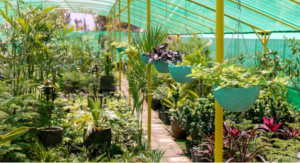
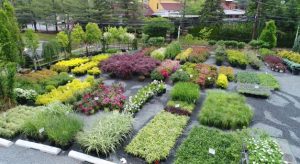
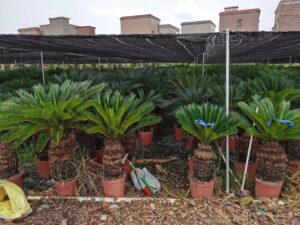
These companies also provide access to high-quality native plants cultivated to thrive in the region’s environmental conditions. They ensure that plants are healthy, properly acclimatized, and ready for installation. In addition, nursery experts evaluate soil conditions and recommend amendments that improve plant performance without relying on excessive chemicals. This is essential in regions with sandy, saline, or nutrient-deficient soils.
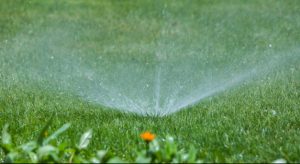
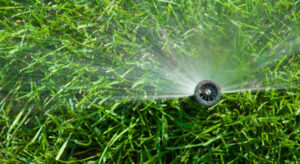
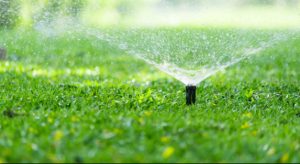
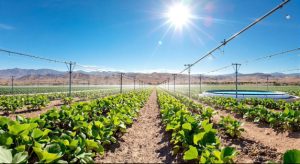
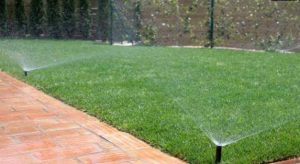
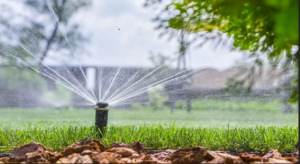
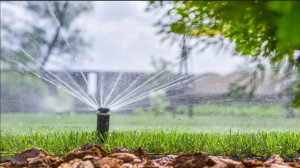
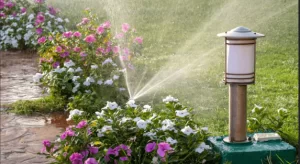
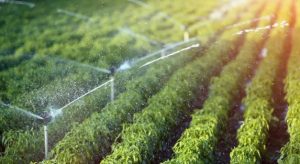
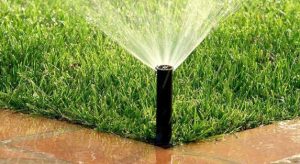
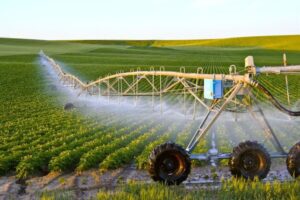
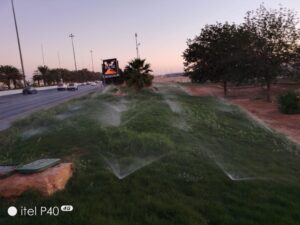
Furthermore, nursery landscape companies play a major role in designing water-efficient irrigation systems. Drip irrigation, moisture sensors, and smart controllers are widely used to reduce water waste and ensure plants receive only the necessary amount of water. By integrating such technologies, these companies support the Kingdom’s water conservation goals.
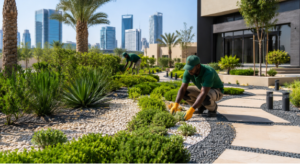
Another important contribution is long-term landscape maintenance. Sustainable landscapes require consistent monitoring to ensure plant health and ecological balance. Nursery companies provide maintenance solutions that include pruning, soil care, irrigation checks, and pest management—using eco-friendly practices whenever possible.
By promoting native plants, implementing water-saving techniques, and reducing dependency on chemicals, nursery landscape companies help shape landscapes that are durable, functional, and environmentally responsible. Their role is crucial in advancing Saudi Arabia’s vision for greener, more sustainable urban environments.
5. Popular Native Plants Used in Sustainable Landscaping
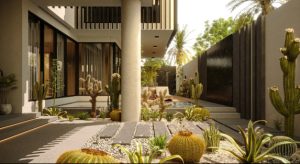
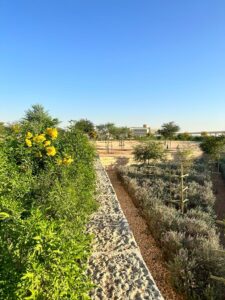
A reputable nursery landscaping provider in Saudi Arabia often recommends specific native plants that offer exceptional value for sustainable landscape design. These plants are not only aesthetically appealing but also naturally adapted to the Kingdom’s arid climate, making them ideal choices for residential, commercial, and public landscapes. Below are some of the most popular and effective native plants used in sustainable landscaping across Saudi Arabia.
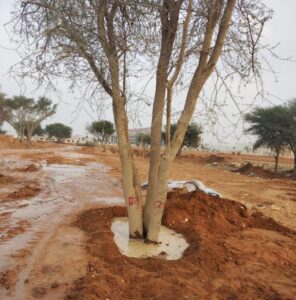
The Ghaf Tree (Prosopis cineraria) is one of the most iconic native species. Known for its remarkable drought tolerance, deep roots, and ability to thrive in extreme heat, the Ghaf tree is widely used in public parks, streetscapes, and open landscapes. Its canopy provides excellent shade while requiring minimal irrigation, making it a key component of eco-friendly designs.
The Sidr Tree (Ziziphus spina-christi) is another widely favored native plant. It has cultural and medicinal significance and is known for its resilience and attractive foliage. The Sidr tree is commonly found in both rural and urban landscapes due to its low maintenance needs and resistance to local pests.
For soil stabilization, the Tamarix aphylla (Athel Tree) is often recommended. This fast-growing tree acts as a natural windbreak and prevents soil erosion. Its salt tolerance makes it particularly useful in coastal regions or areas with saline soil.
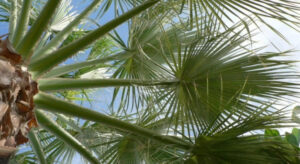
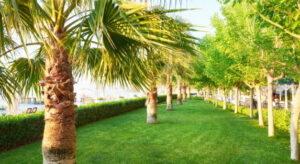
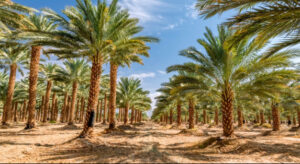
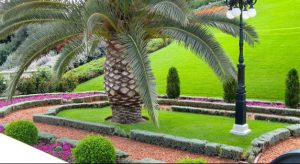
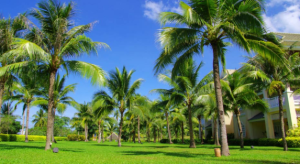
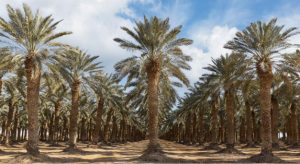
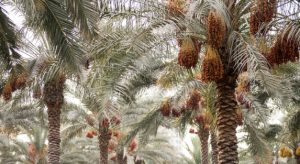
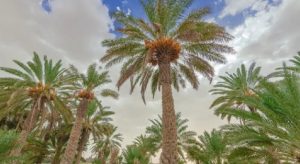
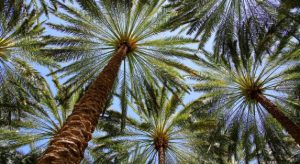
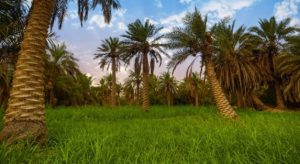
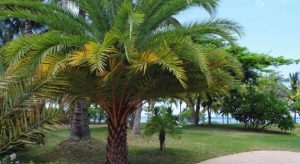
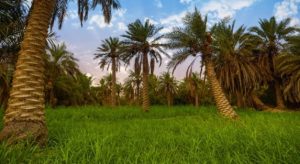
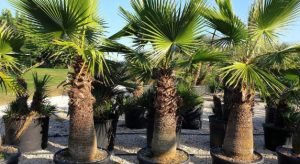
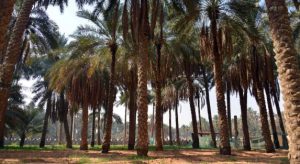
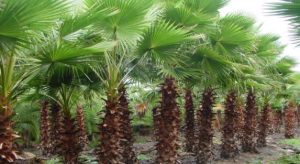
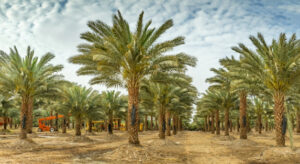
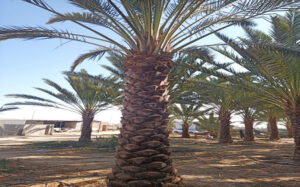
The Date Palm (Phoenix dactylifera) remains one of the most recognizable and treasured plants in Saudi Arabia. In addition to its cultural importance, the Date Palm is extremely water-efficient and versatile in landscape design. It adds a sense of heritage and elegance to villas, resorts, and public pathways.
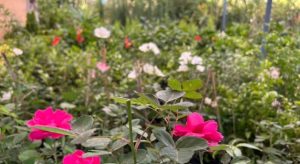
Shrubs like Arfaj (Rhanterium epapposum) and flowering plants such as the Desert Rose (Adenium obesum) contribute color, texture, and ecological value without requiring extensive care.
Together, these native plants provide a strong foundation for sustainable landscaping, especially when selected and installed by an experienced Nursery Landscape Company in Saudi Arabia.
6. Conclusion
Native plants play an increasingly important role in shaping sustainable landscapes across Saudi Arabia. Their natural resilience, low water requirements, and ecological benefits make them indispensable in the Kingdom’s efforts to promote environmentally conscious outdoor development. In an era where water conservation, biodiversity protection, and ecological balance are top priorities, integrating native plant species is not simply a design choice—it is a commitment to long-term sustainability.
A knowledgeable Nursery Landscape Company in Saudi Arabia brings invaluable expertise to this process by helping property owners choose the right native plants, understand their benefits, and implement them effectively within various types of landscapes. From residential villas to commercial complexes and public garden projects, the use of native plants ensures that landscapes remain visually appealing while reducing environmental strain. This approach not only aligns with national sustainability goals but also provides practical advantages such as reduced maintenance costs, lower water consumption, and improved soil health.
Native plants also strengthen local ecosystems by supporting birds, pollinators, and beneficial insects. They help maintain natural biodiversity, which is essential for ecological stability, especially in urban areas where natural habitats are diminishing. By choosing native species, property owners contribute to preserving Saudi Arabia’s rich ecological heritage.
Sustainable landscaping is no longer a luxury—it is a necessity driven by environmental responsibility and future-focused development. Whether through water-efficient irrigation systems, soil-friendly planting methods, or eco-conscious design strategies, native plants remain central to building landscapes that can withstand the region’s harsh climate while remaining beautiful and functional.
In summary, native plants represent the future of landscaping in Saudi Arabia. With the guidance of a professional nursery and landscaping company in Saudi Arabia, property owners can create spaces that are environmentally friendly, culturally meaningful, and built to last for generations.
- Fountain and Waterfalls
- Gardening
- hardscape
- Irrigation system
- Landscape
- Lawn
- Nursery
- Palm Tree
- Plantation and Maintenance
- softscape
- Tree Transplanting
- Washingtonian Tree
Categories
Latest Post
 .
.






















































- Fountain and Waterfalls
- Gardening
- hardscape
- Irrigation system
- Landscape
- Lawn
- Nursery
- Palm Tree
- Plantation and Maintenance
- softscape
- Tree Transplanting
- Washingtonian Tree