 +966 50 444 4872


How to Build a Sustainable Irrigation System for a Riyadh Landscape
4 August, 2026
Maintaining a healthy landscape in Riyadh can be challenging because of the region’s hot, dry climate, high temperatures, limited rainfall, and significant water requirements for outdoor greenery. A well-designed irrigation system can help properties maintain attractive landscapes while using water more efficiently.
Building a sustainable irrigation system involves more than installing sprinklers or pipes. It requires careful planning, appropriate irrigation technology, suitable plants, efficient scheduling, and regular maintenance. Working with a professional Irrigation Company in Riyadh can also help property owners design an irrigation solution that matches the landscape, soil conditions, and local climate.
Understanding Riyadh's Irrigation Challenges
Riyadh has an arid climate where evaporation can occur quickly, particularly during periods of extreme heat. Conventional irrigation methods can therefore result in unnecessary water loss through evaporation, runoff, overspray, or leaks.
A sustainable irrigation strategy should focus on delivering the right amount of water directly to plant root zones while minimizing unnecessary consumption. Proper irrigation design can also help maintain healthier plants and reduce ongoing landscape maintenance.
1. Start With a Professional Irrigation Assessment
Before installing an irrigation system, assess the landscape carefully. The assessment should consider the property's size, soil type, existing vegetation, planting zones, drainage, sunlight exposure, and available water supply.
Different parts of a landscape may have completely different irrigation requirements. Lawns, trees, shrubs, flower beds, and potted plants should not necessarily receive the same amount of water.
An experienced Irrigation Company in Riyadh can divide the landscape into irrigation zones based on plant type and water requirements. This allows each area to receive an appropriate irrigation schedule.
2. Choose Water-Efficient Irrigation Methods
Selecting the appropriate irrigation method is one of the most important steps toward sustainability.
Drip Irrigation
Drip irrigation delivers water slowly and directly to the soil around plant roots. It can be particularly useful for trees, shrubs, flower beds, and other targeted planting areas.
Sprinkler Irrigation
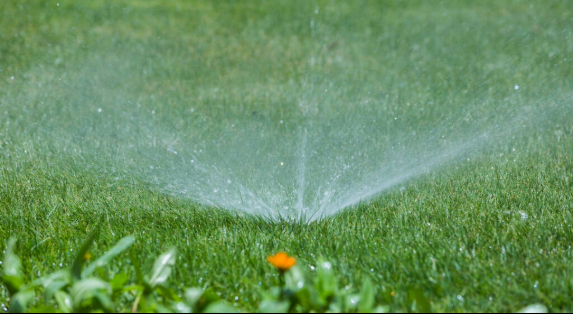
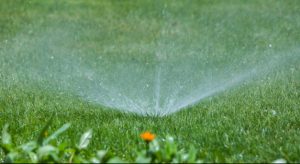
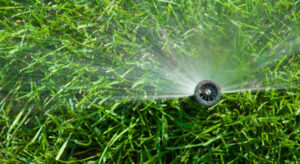
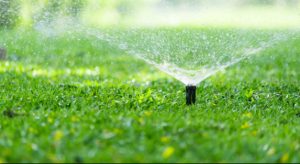
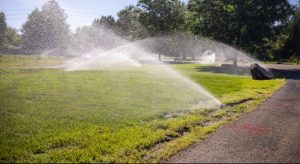
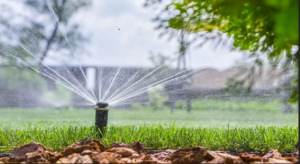
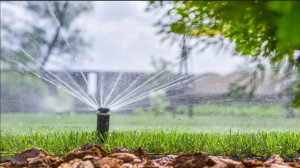
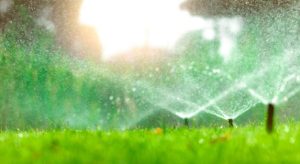
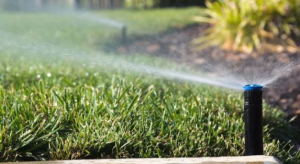
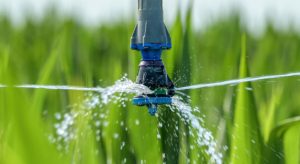
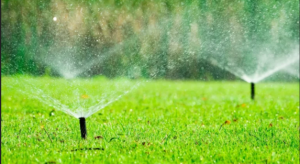
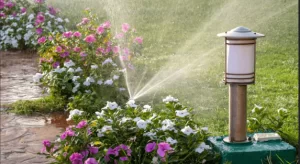
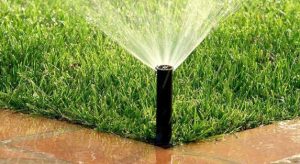
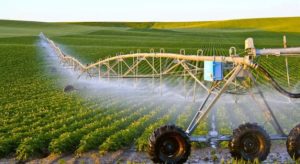
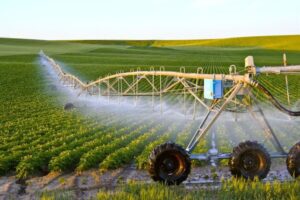
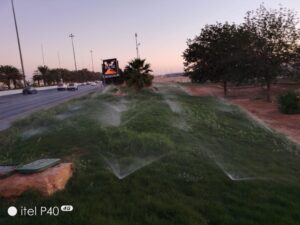
Sprinklers are commonly used for lawns and larger planting areas. However, sprinkler placement and operating pressure should be carefully controlled to minimize overspray and evaporation.
Micro-Irrigation
Micro-irrigation systems can provide controlled water delivery to individual plants or small planting zones. They are useful when landscapes contain plants with different water requirements.
The right system depends on the landscape design, plant selection, soil conditions, and intended usage.
3. Use Smart Irrigation Controllers
Smart irrigation technology can significantly improve water management. Modern controllers can automate watering schedules and, depending on the system, adjust irrigation according to factors such as weather conditions, soil moisture, or programmed requirements.
Instead of running irrigation for the same duration every day, smart controllers can help adjust watering according to actual landscape needs.
A professional irrigation system company in Riyadh can recommend and configure controllers that are appropriate for residential or commercial landscapes.
4. Install Soil Moisture Sensors
Soil moisture sensors can provide valuable information about the amount of moisture available around plant roots. When integrated with an automated irrigation system, these sensors can help prevent unnecessary watering.
This can be especially useful in Riyadh, where excessive irrigation may waste water while creating unfavorable soil conditions for certain plants.
Sensors can help irrigation systems respond more intelligently instead of relying exclusively on fixed watering schedules.
5. Select Plants Suitable for Riyadh's Climate
Irrigation efficiency begins with plant selection. Choosing plants that are adapted to hot and dry conditions can reduce the amount of supplemental irrigation required.
Landscape designers can consider drought-tolerant trees, shrubs, ground covers, and ornamental plants that are suitable for the local environment.
Grouping plants according to their water requirements is another effective strategy. Plants with similar irrigation needs should ideally be placed within the same irrigation zone.
6. Improve Soil Condition
Healthy soil can improve water retention and root development. Before installing irrigation, assess whether the soil requires amendments to improve its structure and drainage.
Organic matter may help improve certain soils' ability to retain moisture, while appropriate soil preparation can encourage deeper root growth.
A sustainable irrigation system should work together with healthy soil rather than attempting to compensate for poor soil conditions through excessive watering.
7. Use Mulching to Reduce Evaporation
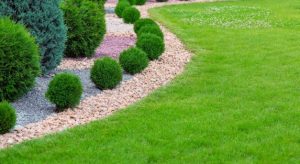
Mulch can help protect soil from direct sunlight and reduce moisture loss from evaporation. It can also help regulate soil temperature and reduce weed growth.
Organic mulch, decorative stone, or other appropriate ground-cover materials can be selected according to the landscape design.
Mulching is particularly useful around trees, shrubs, and garden beds where it can complement an efficient irrigation system.
8. Design Separate Irrigation Zones
A common irrigation mistake is treating an entire landscape as one watering zone. Different plants have different water requirements, and separate irrigation zones allow the system to respond accordingly.
For example, a property could have separate zones for:
- Lawns
- Trees
- Shrubs
- Flower beds
- Vegetable gardens
- Potted plants
- Decorative planting areas
A professional irrigation contractor in Riyadh can design zones based on plant requirements, sun exposure, soil conditions, and landscape layout.
9. Schedule Irrigation for Maximum Efficiency
Irrigation timing can significantly affect water efficiency. Watering during periods of lower evaporation can help more water reach the soil rather than being lost to the atmosphere.
Irrigation schedules should also be adjusted according to seasonal conditions. A landscape may require different watering frequencies during cooler periods compared with the hottest months.
Rather than relying on a fixed schedule throughout the year, property owners should periodically review irrigation requirements.
10. Prevent Irrigation Leaks and Runoff
Leaks can waste significant amounts of water over time. Damaged pipes, loose connections, broken sprinkler heads, clogged emitters, and excessive water pressure can all reduce system efficiency.
Regular inspections should include checking:
- Irrigation pipes
- Valves
- Sprinkler heads
- Drip emitters
- Connectors
- Water pressure
- Irrigation controllers
- Visible leaks
Prompt repairs can help prevent water waste and protect the landscape from uneven watering.
11. Consider Rainwater and Alternative Water Sources
Although Riyadh receives limited rainfall, properties may consider suitable water collection and reuse strategies where permitted and practical.
Rainwater collection systems can potentially capture water during rainfall events for appropriate landscape applications. Greywater reuse may also be considered in suitable properties, subject to local regulations, system design, and health requirements.
A qualified irrigation professional can help determine whether alternative water sources are appropriate for a particular property.
12. Maintain the Irrigation System Regularly
Even a well-designed irrigation system requires ongoing maintenance. Irrigation components can become damaged, blocked, misaligned, or inefficient over time.
Routine maintenance should include inspecting sprinkler heads, cleaning filters, checking emitters, testing valves, reviewing controller settings, and looking for leaks.
Regular maintenance also provides an opportunity to adjust irrigation according to changes in plant growth, seasonal weather, and landscape requirements.
13. Combine Irrigation With Sustainable Landscape Design
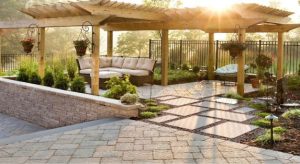
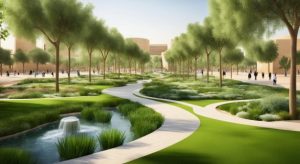
An efficient irrigation system should be part of a broader sustainable landscape strategy. Hardscape, softscape, drainage, shade structures, soil preparation, and plant selection should all work together.
For example, strategically positioned shade can reduce moisture loss, while appropriate ground cover can protect soil from direct sunlight. Efficient drainage can also prevent unnecessary water accumulation.
A professional landscape irrigation company in Riyadh can coordinate irrigation planning with the overall landscape design to create a more efficient outdoor environment.
14. Monitor Water Consumption
Monitoring water usage helps property owners identify inefficiencies. Unexpected increases in water consumption may indicate leaks, incorrect controller settings, broken irrigation components, or excessive watering.
Smart irrigation systems can make monitoring easier by providing information about irrigation schedules and, in some cases, water usage.
Tracking consumption over time can help property owners make informed adjustments and evaluate whether their irrigation strategy is becoming more efficient.
Benefits of a Sustainable Irrigation System
A properly designed irrigation system can provide several benefits for Riyadh properties, including:
- Reduced water waste
- Healthier plants
- More consistent irrigation
- Lower landscape maintenance requirements
- Better control over watering schedules
- Reduced risk of overwatering
- Improved landscape appearance
- More efficient use of available water resources
- Potential reduction in irrigation-related operating costs
The exact benefits depend on the property's landscape, irrigation technology, maintenance practices, and water requirements.
Why Choose a Professional Irrigation Company in Riyadh?
Designing a sustainable irrigation system requires an understanding of irrigation technology, plant water requirements, soil conditions, drainage, climate, and landscape layout.
An experienced Irrigation Company in Riyadh can assess the property, recommend suitable irrigation methods, create irrigation zones, install the required equipment, and provide ongoing maintenance.
Professional installation can also help prevent common problems such as uneven watering, excessive runoff, poor pressure, leaks, and inefficient sprinkler placement.
Conclusion
Building a sustainable irrigation system for a Riyadh landscape requires a combination of efficient technology, appropriate plant selection, intelligent scheduling, proper soil preparation, and regular maintenance. Drip irrigation, smart controllers, moisture sensors, separate irrigation zones, and water-efficient landscaping can all contribute to better water management.
Because Riyadh's climate creates unique irrigation challenges, a customized approach is generally more effective than using a one-size-fits-all system. Working with a professional Irrigation Company in Riyadh can help homeowners, businesses, and property managers develop an irrigation solution designed around their specific landscape requirements. A sustainable irrigation system is not simply about using less water—it is about delivering the right amount of water, to the right plants, at the right time, while maintaining a healthy and attractive landscape.
- Fountain and Waterfalls
- Gardening
- hardscape
- Irrigation system
- Landscape
- Lawn
- Nursery
- Palm Tree
- Plantation and Maintenance
- Private Villa Landscape Work
- softscape
- Tree Transplanting
- Washingtonian Tree
Categories
Latest Post
 .
.











































- Fountain and Waterfalls
- Gardening
- hardscape
- Irrigation system
- Landscape
- Lawn
- Nursery
- Palm Tree
- Plantation and Maintenance
- Private Villa Landscape Work
- softscape
- Tree Transplanting
- Washingtonian Tree