 +966 50 444 4872


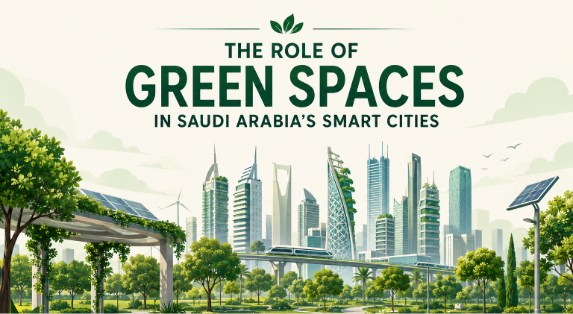
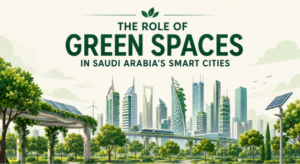
The Role of Green Spaces in Saudi Arabia’s Smart Cities
18 June, 2026
Introduction
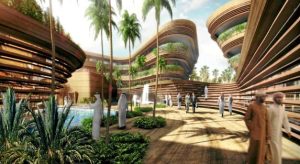
Saudi Arabia is experiencing one of the most ambitious urban transformations in modern history. Under the guidance of Vision 2030, the Kingdom is investing billions of dollars in smart cities, sustainable infrastructure, and innovative urban developments that aim to redefine the future of living. Mega-projects such as NEOM, The Line, Qiddiya, New Murabba, and the extensive development plans throughout Riyadh and Jeddah are not merely focused on technological advancement; they are equally committed to creating healthier, more sustainable environments for future generations.
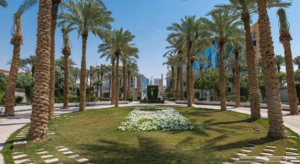
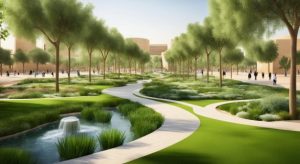
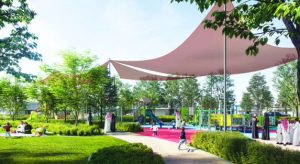
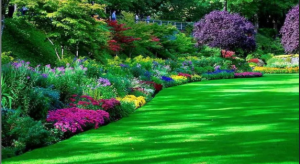
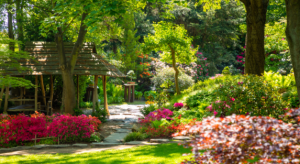
One of the most important elements contributing to this transformation is the integration of green spaces throughout urban developments. Parks, gardens, green corridors, landscaped boulevards, and recreational zones are becoming essential features within Saudi Arabia's smart city framework. These green areas not only improve the visual appeal of cities but also provide environmental, social, and economic benefits that contribute to a higher quality of life.
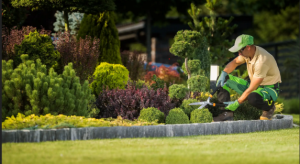
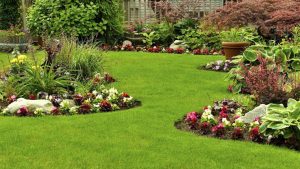
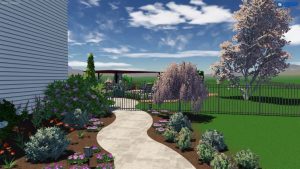
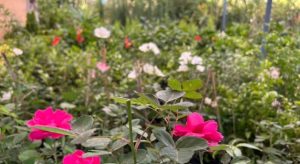
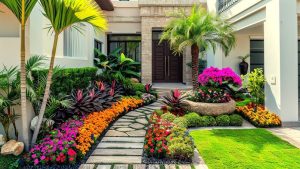
As urban populations continue to grow, the importance of professional softscape landscaping in Saudi Arabia has become increasingly evident. Softscape elements such as trees, shrubs, flowering plants, ground covers, and lawns play a crucial role in improving urban ecosystems while supporting sustainability objectives. The demand for expert softscape landscaping in Riyadh has particularly increased as the capital city undergoes extensive redevelopment and greening initiatives.
Companies like Green Wavs are helping transform outdoor spaces through innovative landscaping solutions designed specifically for Saudi Arabia's climate and environmental conditions. Through strategic planning and sustainable design practices, green spaces are becoming the foundation upon which smart, resilient, and future-ready cities are built.
Understanding the Importance of Green Spaces in Smart Cities
Defining Green Spaces in Modern Urban Development
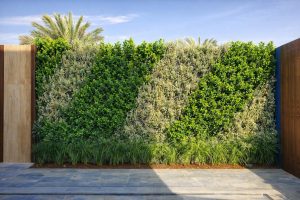
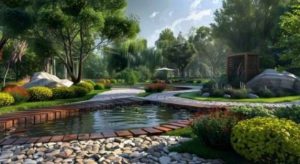
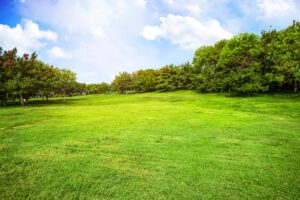
Green spaces refer to areas within urban environments that are dominated by vegetation and natural elements. These may include public parks, residential gardens, landscaped commercial properties, green roofs, urban forests, and recreational zones. In smart cities, green spaces are carefully integrated into urban planning strategies to create a balance between built infrastructure and natural environments.
Unlike traditional city planning approaches that often prioritized buildings and transportation networks, modern smart city concepts recognize the importance of incorporating nature into everyday life. Green spaces are designed to function alongside technological innovations, creating environments that are both intelligent and environmentally responsible.
The Connection Between Smart Cities and Sustainability
Smart cities aim to improve urban living through technology, efficiency, and sustainability. Green spaces support these goals by helping reduce environmental impacts while improving residents' well-being. Carefully planned softscape landscaping in Saudi Arabia contributes to lower energy consumption, better air quality, and enhanced biodiversity.
As Saudi Arabia continues to develop next-generation cities, green infrastructure has become an essential component of urban resilience. The incorporation of vegetation into city landscapes helps address environmental challenges while creating healthier communities for residents and visitors alike.
Why Green Infrastructure Matters
Green infrastructure serves multiple purposes beyond aesthetics. It supports stormwater management, temperature regulation, pollution reduction, and social interaction. Through professional softscape landscaping in Riyadh, developers can create multifunctional outdoor spaces that improve environmental performance while enhancing the overall urban experience.
The success of future smart cities will depend not only on technological advancements but also on their ability to maintain a strong relationship with nature. Green spaces provide the foundation for achieving this balance.
How Softscape Landscaping in Saudi Arabia Supports Environmental Sustainability
Reducing Urban Heat Island Effects
One of the most significant environmental challenges facing cities worldwide is the urban heat island effect. Large concentrations of buildings, roads, and concrete surfaces absorb and retain heat, causing urban areas to become significantly warmer than surrounding regions.
Through strategic softscape landscaping in Saudi Arabia, cities can effectively reduce heat accumulation. Trees and vegetation provide shade while releasing moisture into the atmosphere through natural processes such as evapotranspiration. These mechanisms help cool surrounding environments and improve outdoor comfort.
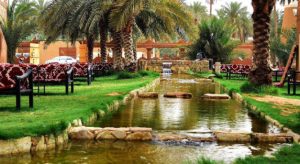
In cities such as Riyadh, where summer temperatures can become extremely high, well-designed green spaces play a critical role in creating more livable urban environments.
Improving Air Quality
Plants naturally filter pollutants from the atmosphere. Trees, shrubs, and other vegetation absorb carbon dioxide while releasing oxygen, helping improve air quality in densely populated areas.
Professional softscape landscaping in Riyadh contributes to cleaner air by reducing airborne dust particles and pollutants commonly associated with urban environments. This creates healthier living conditions for residents and visitors.
Supporting Climate Resilience
Climate resilience has become a major focus of sustainable urban development. Green spaces help cities adapt to environmental challenges by regulating temperatures, managing water resources, and supporting ecological balance.
The growing emphasis on softscape landscaping services in Saudi Arabia reflects a broader commitment to creating sustainable urban ecosystems capable of withstanding future environmental pressures.
Green Spaces and Public Health in Saudi Arabia's Smart Cities
Encouraging Active and Healthy Lifestyles
One of the most valuable benefits of green spaces is their positive impact on public health. As Saudi Arabia continues to develop smart cities and sustainable communities, urban planners are placing greater emphasis on creating outdoor environments that encourage healthy lifestyles. Parks, landscaped walkways, cycling paths, and recreational gardens provide residents with safe and attractive spaces where they can engage in physical activities.
Through well-planned softscape landscaping in Saudi Arabia, cities can encourage people to spend more time outdoors. Walking, jogging, cycling, and family recreation become more accessible when green spaces are integrated into residential and commercial developments. These activities contribute to improved cardiovascular health, reduced obesity rates, and overall physical well-being.
Supporting Mental Well-Being
Green spaces are equally important for mental health. Studies conducted worldwide have consistently shown that spending time in natural environments can reduce stress, anxiety, and mental fatigue. In fast-growing urban areas where residents often experience busy lifestyles and increasing demands, access to nature becomes increasingly valuable.
Professional softscape landscaping in Riyadh creates peaceful environments where individuals can relax, reconnect with nature, and enjoy a break from the pressures of daily life. Trees, flowering plants, shaded seating areas, and landscaped gardens contribute to a calming atmosphere that supports emotional well-being.
Creating Family-Friendly Communities
Green spaces also strengthen family and community relationships. Public parks and recreational gardens provide gathering places where families can spend quality time together. Children benefit from outdoor play areas, while adults enjoy opportunities for exercise and social interaction.
As Saudi Arabia continues to build modern smart cities, green spaces are becoming essential community assets that improve both physical and mental health while fostering stronger social connections among residents.
Economic Benefits of Softscape Landscaping in Saudi Arabia
Increasing Property Values
Landscaping is no longer viewed solely as an aesthetic enhancement. Today, it is recognized as a strategic investment that can significantly increase property value. Residential communities, commercial developments, hotels, and mixed-use projects all benefit from professionally designed green spaces.
Properties featuring high-quality softscape landscaping in Saudi Arabia often command higher market values because buyers and investors recognize the benefits of attractive outdoor environments. Well-maintained gardens, tree-lined streets, and landscaped public areas enhance the overall appeal of a development and contribute to long-term value appreciation.
Attracting Businesses and Investors
Smart cities compete globally for investment, tourism, and talent. Green spaces contribute to a city's attractiveness by creating a more desirable environment for businesses and residents. Companies are increasingly seeking locations that offer high-quality urban experiences, including access to parks and recreational facilities.
The expansion of softscape landscaping in Riyadh has become an important component of the city's economic development strategy. Attractive urban landscapes help position Riyadh as a competitive global city capable of attracting international businesses and skilled professionals.
Supporting Tourism and Hospitality
Tourism is a major pillar of Vision 2030. Visitors are increasingly seeking destinations that combine cultural attractions with beautiful outdoor environments. Green spaces, public parks, and landscaped urban districts contribute significantly to the visitor experience.
Hotels, resorts, entertainment destinations, and cultural attractions benefit greatly from professional landscaping services. Well-designed softscape features create memorable environments that encourage longer stays and repeat visits.
As Saudi Arabia continues to diversify its economy, landscaping investments will play an important role in supporting tourism growth, property development, and business attraction efforts.
Water-Efficient Landscaping Solutions for Smart Cities
Addressing Water Conservation Challenges
Water conservation remains a critical priority across Saudi Arabia. Given the Kingdom's arid climate and limited natural water resources, sustainable landscaping practices are essential for long-term urban development.
Modern softscape landscaping in Saudi Arabia focuses heavily on water efficiency. Landscape architects and designers carefully select plant species that can thrive under local environmental conditions while minimizing irrigation requirements.
Utilizing Drought-Resistant Plant Species
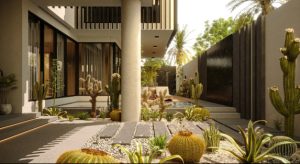
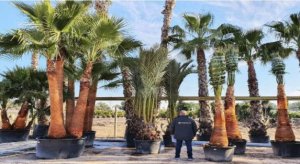
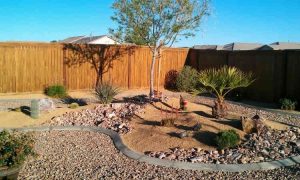
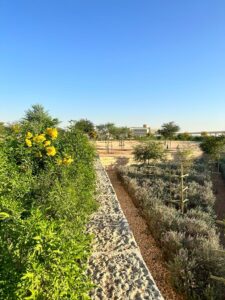
One of the most effective approaches to sustainable landscaping involves the use of drought-tolerant plants. Native and adaptive plant species require less water while remaining resilient under high temperatures.
Many modern landscaping projects incorporate:
- Native trees
- Desert-adapted shrubs
- Ornamental grasses
- Ground cover plants
- Low-water flowering species
These selections help maintain beautiful landscapes while supporting environmental sustainability goals.
Smart Irrigation Technologies
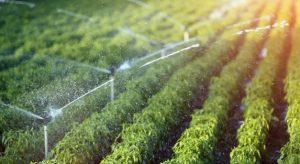
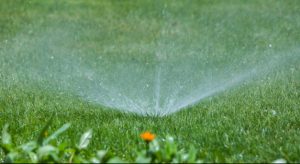
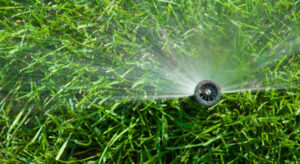
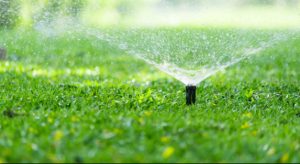
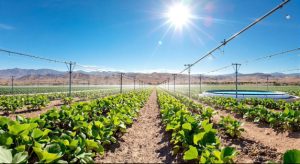
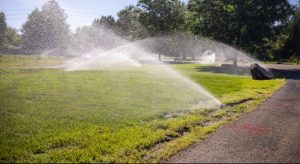
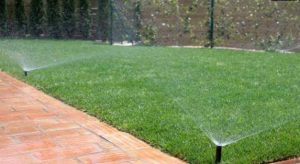
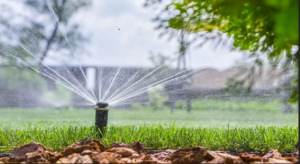
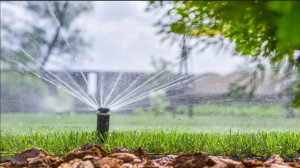
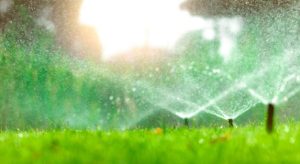
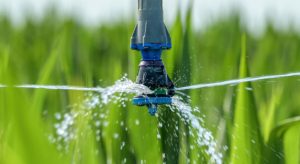
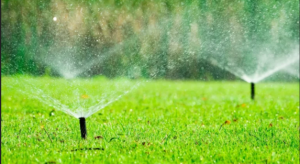
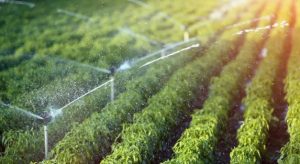
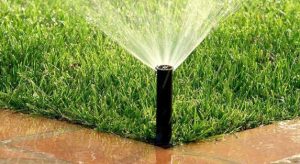
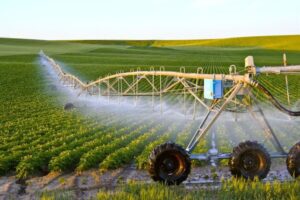
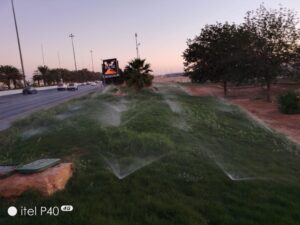
Technology is transforming the way landscapes are managed. Advanced irrigation systems now use sensors, weather monitoring tools, and automated controls to optimize water usage.
Professional providers of softscape landscaping in Riyadh increasingly implement smart irrigation solutions that deliver water precisely when and where it is needed. This reduces waste while ensuring healthy plant growth.
These innovations support Saudi Arabia's broader sustainability objectives while demonstrating how smart technologies can enhance environmental performance in urban landscapes.
The Rise of Softscape Landscaping in Riyadh
Riyadh's Urban Transformation
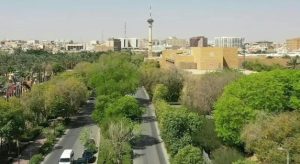
Riyadh is undergoing one of the largest urban transformation programs in the Middle East. As the capital city expands and modernizes, significant investments are being made in public spaces, transportation infrastructure, residential developments, and environmental enhancement initiatives.
The city's commitment to increasing green space has driven substantial demand for softscape landscaping in Riyadh. Urban planners recognize that greenery is essential for creating a livable, sustainable, and attractive city.
Green Riyadh Initiative
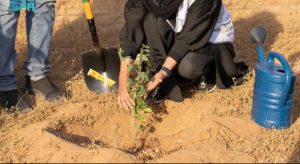
One of the most influential projects supporting urban greening is the Green Riyadh initiative. This ambitious program aims to significantly increase vegetation coverage throughout the city.
The initiative includes:
- Planting millions of trees
- Developing public parks
- Expanding green corridors
- Enhancing streetscapes
- Improving environmental quality
Such projects highlight the growing importance of professional landscaping expertise in achieving long-term sustainability goals.
Enhancing Quality of Life
The expansion of green spaces throughout Riyadh is directly improving residents' quality of life. Shaded pedestrian routes, recreational parks, and landscaped public areas create more comfortable and enjoyable urban environments.
As development continues, softscape landscaping in Riyadh will remain a key driver of urban transformation and environmental improvement.
Green Spaces in Vision 2030 Mega Projects
Building Sustainable Cities for the Future
Vision 2030 has placed sustainability at the center of Saudi Arabia's development strategy. Mega projects across the Kingdom are incorporating extensive green infrastructure to create environmentally responsible communities.
Projects such as NEOM, The Line, Qiddiya, and New Murabba are integrating green spaces into their master plans from the earliest design stages.
Creating Human-Centered Urban Environments
Modern city planning increasingly focuses on creating environments designed around people rather than vehicles. Green spaces help achieve this objective by encouraging outdoor activity, social interaction, and community engagement.
Through thoughtful softscape landscaping in Saudi Arabia, these developments provide residents with access to nature while maintaining advanced technological infrastructure.
Supporting National Sustainability Goals
Green spaces directly support many of Vision 2030's objectives, including:
- Environmental sustainability
- Improved public health
- Enhanced quality of life
- Economic diversification
- Increased urban livability
As a result, landscaping has become a strategic component of national development efforts.
The Role of Technology in Smart Landscaping
Smart Irrigation and Resource Management
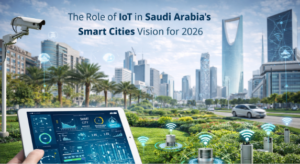
Technology is revolutionizing landscaping practices across Saudi Arabia. Smart irrigation systems use real-time data to manage water consumption more efficiently, reducing waste while maintaining healthy landscapes.
These systems monitor:
- Soil moisture levels
- Weather conditions
- Plant water requirements
- Irrigation schedules
This data-driven approach improves sustainability while reducing operational costs.
Landscape Monitoring Systems
Advanced monitoring technologies allow landscape managers to track plant health and environmental performance. Sensors can detect issues before they become significant problems, enabling proactive maintenance.
Professional softscape landscaping in Riyadh increasingly relies on these tools to ensure optimal landscape performance throughout the year.
Integrating Sustainability and Innovation
The future of landscaping lies in combining natural systems with advanced technologies. Smart cities are demonstrating how innovation can support environmental stewardship while improving urban experiences for residents.
How Green Wavs Supports Sustainable Urban Development
Delivering Expert Softscape Landscaping Solutions
As demand for sustainable urban environments continues to grow, Green Wavs has established itself as a trusted partner in landscape development across the Kingdom. The company specializes in delivering innovative landscaping solutions tailored to Saudi Arabia's unique climate and environmental conditions.
Creating Resilient and Attractive Landscapes
Green Wavs focuses on designing landscapes that are both visually appealing and environmentally sustainable. By selecting appropriate plant species and implementing efficient irrigation systems, the company helps clients maximize long-term landscape performance.
Its expertise in softscape landscaping in Saudi Arabia allows it to create outdoor environments that support sustainability objectives while enhancing property value and user experience.
Supporting Riyadh's Green Future
Through its work in softscape landscaping in Riyadh, Green Wavs contributes to the city's ongoing transformation into a greener and more livable urban environment. The company's commitment to quality, innovation, and sustainability aligns closely with the goals of Vision 2030 and Saudi Arabia's smart city initiatives.
Conclusion
Green spaces are becoming one of the most important components of Saudi Arabia's smart city development strategy. As urban areas continue to expand, the integration of sustainable landscaping solutions is helping create healthier, more resilient, and environmentally responsible communities.
From improving public health and air quality to supporting economic growth and climate resilience, the benefits of softscape landscaping in Saudi Arabia extend far beyond aesthetics. Strategic landscaping investments are enhancing quality of life while helping cities achieve ambitious sustainability goals.
The growing demand for softscape landscaping in Riyadh reflects the city's commitment to becoming a global model for sustainable urban development. Through initiatives such as Green Riyadh and other Vision 2030 projects, green infrastructure is playing a central role in shaping the future of the capital.
Companies like Green Wavs are helping bring this vision to life by delivering innovative landscaping solutions that combine beauty, functionality, and sustainability. As Saudi Arabia continues its remarkable transformation, green spaces will remain essential to building smart cities that are not only technologically advanced but also environmentally and socially enriching for generations to come.
- Fountain and Waterfalls
- Gardening
- hardscape
- Irrigation system
- Landscape
- Lawn
- Nursery
- Palm Tree
- Plantation and Maintenance
- softscape
- Tree Transplanting
- Washingtonian Tree
Categories
Latest Post
 .
.












- Fountain and Waterfalls
- Gardening
- hardscape
- Irrigation system
- Landscape
- Lawn
- Nursery
- Palm Tree
- Plantation and Maintenance
- softscape
- Tree Transplanting
- Washingtonian Tree