 +966 50 444 4872



How Smart Irrigation Supports Softscape Landscaping in Riyadh
19 August, 2026
Creating and maintaining a beautiful landscape in Riyadh requires more than choosing attractive plants. With high temperatures, intense sunlight, limited water resources, and challenging soil conditions, landscaping needs to be carefully planned around the local environment.
This is where smart irrigation can make a significant difference.
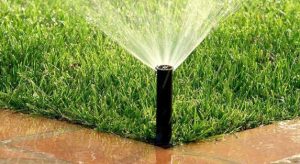
For properties investing in softscape landscaping in Riyadh, an intelligent irrigation system can help deliver water more efficiently, support healthier plants, reduce unnecessary water consumption, and simplify ongoing landscape maintenance.
From drip irrigation and soil-moisture sensors to automated controllers and weather-based scheduling, modern irrigation technology gives property owners greater control over how and when their landscapes receive water.
For businesses and homeowners looking for sustainable softscape landscaping in Saudi Arabia, combining professional planting design with smart irrigation can create outdoor spaces that are both attractive and practical.
What Is Smart Irrigation?
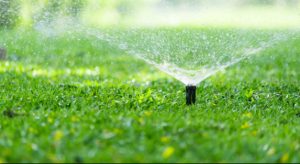
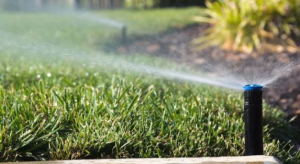
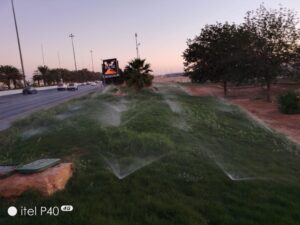
Smart irrigation is an automated approach to watering landscapes based on actual plant and environmental requirements rather than relying solely on fixed watering schedules.
Traditional irrigation systems may operate at predetermined times regardless of weather or soil conditions. A smart system can use sensors, controllers, and programmed zones to adjust watering according to changing conditions.
Depending on the system, smart irrigation may incorporate:
- Soil-moisture sensors
- Weather-based controllers
- Automated irrigation timers
- Drip irrigation
- Flow sensors
- Rain or weather sensors
- Programmable irrigation zones
- Remote monitoring and controls
The objective is simple: provide the right amount of water to the right area at the right time.
This approach is particularly valuable for Riyadh landscapes, where water efficiency is an important consideration.
Why Irrigation Matters for Softscape Landscaping in Riyadh
Softscape elements include the living components of a landscape, such as:
- Trees
- Shrubs
- Flowers
- Ground covers
- Grass
- Ornamental plants
- Other vegetation
Unlike hardscape features such as paving, walls, and decorative stone, plants require ongoing care to remain healthy.
Water management therefore plays a central role in successful softscape landscaping in Riyadh.
An inefficient irrigation system can result in:
- Overwatering
- Underwatering
- Uneven plant growth
- Water waste
- Root problems
- Increased maintenance
- Higher operating costs
Smart irrigation helps address these challenges by making watering more targeted and responsive.
1. Smart Irrigation Helps Conserve Water
Water efficiency is one of the biggest advantages of smart irrigation.
A conventional system may continue watering for a predetermined period even when the soil already contains sufficient moisture.
Smart irrigation systems can use environmental data to determine whether additional watering is necessary.
For example, soil-moisture sensors can provide information about moisture conditions around plants. This can help prevent unnecessary irrigation.
For softscape landscaping in Saudi Arabia, where responsible water management is particularly important, reducing unnecessary watering can contribute to a more sustainable landscape strategy.
2. Drip Irrigation Delivers Water Directly to Plants
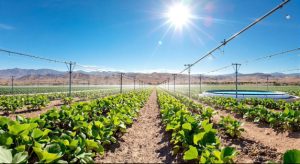
Drip irrigation is commonly used in water-efficient landscape design because it can deliver water close to the plant's root zone.
Instead of distributing water broadly across an entire area, drip systems can target individual plants or planting zones.
This can be particularly useful for:
- Trees
- Shrubs
- Flower beds
- Hedges
- Garden borders
- Decorative planting
- Drought-tolerant landscapes
Combining drip irrigation with automated controls can make a softscape irrigation system more precise and easier to manage.
3. Soil-Moisture Sensors Prevent Unnecessary Watering
One of the challenges with landscape irrigation is knowing how much moisture is actually available in the soil.
Surface conditions do not always tell the full story.
Soil-moisture sensors can provide useful information about moisture levels within the growing area. When integrated with irrigation controls, this information can help determine whether watering should proceed or be adjusted.
This can help reduce situations where plants receive water simply because a timer has reached its scheduled operating period.
For Riyadh gardens, where every irrigation cycle matters, moisture-based management can be a valuable part of an efficient landscape strategy.
4. Weather-Based Irrigation Can Adapt to Changing Conditions
Weather conditions can influence how quickly plants lose moisture.
Temperature, wind, humidity, and other environmental factors can affect irrigation requirements.
Weather-based irrigation controllers can use relevant environmental information to adjust watering schedules.
For example, watering requirements may differ during periods of extreme heat compared with milder conditions.
Instead of maintaining the same schedule throughout the year, a responsive system can provide greater flexibility.
This is especially useful for softscape landscaping in Riyadh, where seasonal and daily environmental conditions can vary considerably.
5. Smart Irrigation Supports Healthier Plants
Too much water can be just as problematic as too little.
Overwatering may contribute to:
- Root problems
- Poor soil conditions
- Nutrient leaching
- Plant stress
- Fungal issues in susceptible plants
Underwatering, meanwhile, can cause:
- Wilting
- Leaf damage
- Slow growth
- Plant stress
- Reduced landscape quality
A well-designed irrigation system aims to maintain a more consistent moisture environment appropriate for the selected plants.
This creates a stronger foundation for healthy softscape development.
6. Different Plants Have Different Water Requirements
Not every plant in a landscape needs the same amount of water.
A mature tree, flowering plant, shrub, and ground cover may have very different irrigation requirements.
This is why irrigation zoning is important.
A smart irrigation system can divide the landscape into separate zones based on factors such as:
- Plant type
- Sun exposure
- Soil conditions
- Water requirements
- Landscape location
- Plant maturity
For example, drought-tolerant plants can be placed in one zone while plants requiring more frequent irrigation can be managed separately.
This approach prevents the entire landscape from being watered according to the needs of only one type of plant.
7. Smart Irrigation Helps Manage Riyadh's Extreme Heat
Riyadh's hot climate presents a major challenge for landscape maintenance.
High temperatures and strong sunlight can increase moisture loss from soil and plants.
However, simply increasing irrigation is not always the best solution.
A better strategy is to combine:
Climate-appropriate plants + efficient irrigation + appropriate soil preparation + effective landscape maintenance
Smart irrigation can form an important part of this approach by allowing watering schedules to be adjusted according to actual landscape requirements.
8. It Can Reduce Water Loss Through Evaporation
Water applied during unsuitable periods may be more vulnerable to evaporation.
Smart irrigation schedules can be configured to deliver water during more appropriate periods, depending on the system design and local conditions.
For example, landscape professionals may schedule irrigation during cooler periods rather than during the hottest part of the day.
Combined with drip irrigation and appropriate planting techniques, this can help improve overall water-use efficiency.
9. Smart Irrigation Makes Landscape Maintenance Easier
Maintaining a large landscape manually can be time-consuming.
A smart irrigation system can automate many routine watering tasks.
Property managers can establish schedules for different zones and monitor system performance through centralized controls or, where supported, remote interfaces.
This can be particularly useful for:
- Villas
- Residential compounds
- Hotels
- Office complexes
- Commercial properties
- Public spaces
- Large gardens
Automation does not eliminate the need for professional maintenance, but it can make irrigation management more consistent and manageable.
10. Flow Sensors Can Help Detect Irrigation Problems
A broken irrigation line or leaking component can waste considerable amounts of water before someone notices the problem.
Flow monitoring can help identify unusual water usage or changes in system performance.
Potential warning signs may include:
- Unexpectedly high flow
- Reduced flow
- Broken irrigation lines
- Blocked emitters
- Leaks
- Valve problems
Early detection allows maintenance teams to investigate issues before they become larger problems.
Smart Irrigation and Sustainable Softscape Landscaping
Sustainability is becoming increasingly important in modern landscape design.
Sustainable softscape landscaping in Saudi Arabia does not mean eliminating greenery. Instead, it means designing landscapes that work more effectively with local environmental conditions.
A sustainable softscape strategy can combine:
Climate-Appropriate Plants
Choose plants suited to the local environment rather than selecting species solely for appearance.
Efficient Irrigation
Use drip systems, appropriate irrigation zones, and automated controls.
Soil Improvement
Healthy soil can support better plant establishment and moisture management.
Mulching
Appropriate mulch can help protect soil and reduce moisture loss in suitable applications.
Smart Monitoring
Use sensors and automated controls to improve irrigation decisions.
Regular Maintenance
Inspect plants and irrigation systems regularly to identify problems early.
Together, these practices can create a more resilient landscape.
Smart Irrigation for Residential Softscape Landscaping
Homeowners in Riyadh can use smart irrigation to improve the appearance and maintenance of villa gardens and private outdoor spaces.
A residential system may include separate zones for:
- Front gardens
- Backyard planting
- Trees
- Flower beds
- Shrubs
- Lawn areas
- Poolside landscaping
This allows each section of the property to receive an irrigation schedule suited to its requirements.
For homeowners investing in professional softscape landscaping in Riyadh, integrating irrigation during the design stage can produce better results than attempting to retrofit the system later.
Smart Irrigation for Commercial Landscapes
Commercial properties often have much larger landscapes than residential properties.
Hotels, offices, retail centers, residential compounds, and other developments may have extensive planting areas that require regular irrigation.
Smart systems can help property managers organize these landscapes into manageable irrigation zones.
Benefits may include:
- More consistent watering
- Better water management
- Reduced manual intervention
- Easier monitoring
- Faster identification of irrigation issues
- Improved landscape appearance
For large-scale softscape landscaping in Saudi Arabia, irrigation planning should therefore be considered an integral part of the overall landscape design.
How to Choose the Right Smart Irrigation System
There is no single irrigation system that is ideal for every property.
Before selecting a system, consider:
Property Size
A small residential garden may require a relatively simple system, while a large commercial development may need multiple zones and advanced controls.
Plant Selection
Different plants have different water requirements.
Soil Conditions
Soil type can influence how quickly water drains and how moisture is retained.
Sun Exposure
Areas receiving full sunlight may have different irrigation needs from shaded areas.
Landscape Design
The location and density of planting should influence irrigation layout.
Maintenance Requirements
Choose a system that can be inspected, maintained, and adjusted efficiently.
Future Expansion
For larger properties, consider whether the irrigation system can be expanded as the landscape develops.
Common Smart Irrigation Mistakes to Avoid
Even advanced irrigation technology cannot compensate for poor landscape planning.
Some common mistakes include:
Using One Irrigation Schedule for the Entire Property
Different plants and areas have different requirements.
Ignoring Soil Conditions
Irrigation should account for how water behaves within the soil.
Overwatering During Extreme Heat
More water is not automatically the solution to heat stress.
Poorly Positioned Drippers
Emitters should be positioned appropriately for plant size and root development.
Neglecting Irrigation Maintenance
Blocked emitters, damaged lines, and malfunctioning valves can reduce system effectiveness.
Choosing Plants Without Considering Water Requirements
Plant selection and irrigation design should be developed together.
Why Professional Softscape Landscaping Services Matter
A smart irrigation system works best when it is incorporated into a professionally designed landscape.
An experienced landscaping team can evaluate:
- Site conditions
- Plant selection
- Soil
- Sun exposure
- Irrigation requirements
- Landscape zones
- Drainage
- Maintenance needs
- Long-term growth
Professional softscape landscaping services in Riyadh can therefore combine planting design with irrigation planning instead of treating these as separate projects.
This integrated approach can help create outdoor spaces that are visually attractive, easier to maintain, and better adapted to the local environment.
The Future of Softscape Landscaping in Riyadh
Modern landscaping is increasingly moving toward smarter and more sustainable solutions.
Technology can help property owners move away from fixed irrigation schedules toward systems that respond more effectively to actual landscape conditions.
When combined with climate-appropriate plants, efficient irrigation, thoughtful landscape design, and professional maintenance, smart irrigation can help Riyadh properties maintain attractive outdoor environments while using water more responsibly.
The goal is not simply to use less water.
The goal is to use water more intelligently.
Conclusion
Smart irrigation is an important component of modern softscape landscaping in Riyadh. By combining automated controls, efficient irrigation methods, moisture monitoring, zoning, and appropriate plant selection, property owners can create landscapes that are better suited to Riyadh's demanding climate.
For projects involving softscape landscaping in Saudi Arabia, irrigation should be considered from the beginning of the design process rather than added as an afterthought.
A well-planned system can support healthier plants, improve maintenance efficiency, reduce unnecessary water use, and help preserve the long-term appearance of the landscape.
Ready to create a greener and more water-efficient outdoor space in Riyadh? Partner with an experienced landscaping team that can combine professional softscape design, climate-appropriate planting, smart irrigation, and ongoing maintenance to develop a landscape that looks beautiful and performs well in the Saudi environment.
Contact a professional softscape landscaping company today to discuss your property, planting requirements, irrigation needs, and landscape goals.
- Fountain and Waterfalls
- Gardening
- hardscape
- Irrigation system
- Landscape
- Lawn
- Nursery
- Palm Tree
- Plantation and Maintenance
- softscape
- Tree Transplanting
- Washingtonian Tree
Categories
Latest Post

 .
.




































- Fountain and Waterfalls
- Gardening
- hardscape
- Irrigation system
- Landscape
- Lawn
- Nursery
- Palm Tree
- Plantation and Maintenance
- softscape
- Tree Transplanting
- Washingtonian Tree