 +966 50 444 4872


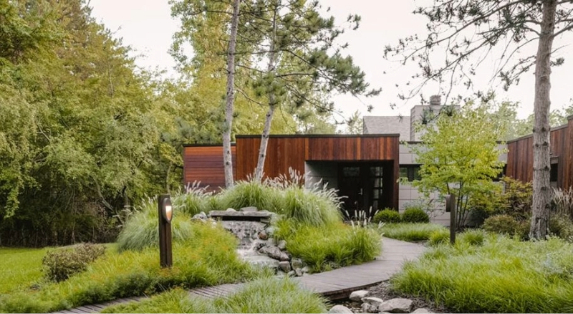
How to Design Water-Efficient Softscape Landscapes in Saudi Arabia
14 October, 2026
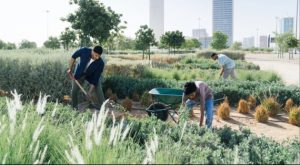
Designing a beautiful landscape in Saudi Arabia comes with a unique challenge: maintaining healthy greenery while managing water consumption in a hot, dry climate. With high temperatures, limited rainfall, and increasing demand for sustainable outdoor spaces, choosing the right plants and landscaping techniques is essential for long-term success.
Water-efficient softscape landscaping in Saudi Arabia offers a practical way to create attractive gardens, green outdoor areas, and welcoming commercial landscapes without unnecessary water waste. By selecting climate-adapted plants, improving soil quality, and using efficient irrigation systems, property owners can enjoy beautiful landscapes that are easier to maintain and better suited to local environmental conditions.
Whether you are planning a residential garden, a luxury villa landscape, or a commercial outdoor space, a thoughtful approach to water conservation can make a significant difference.
1. Choose Plants That Thrive in Saudi Arabia's Climate
Plant selection is one of the most important decisions in water-efficient landscape design. Not every plant can tolerate Saudi Arabia's intense summer heat, dry conditions, and limited rainfall. Choosing species suited to the local climate helps reduce irrigation requirements and improves plant survival.
Consider incorporating drought-tolerant plants, native species, and other climate-adapted vegetation into your landscape design.
Some suitable options to consider include:
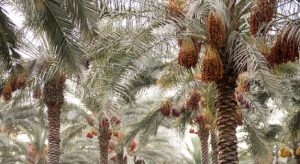
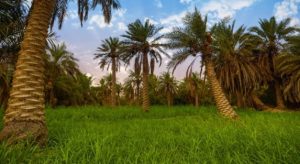
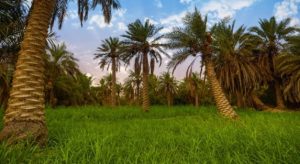
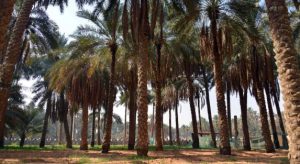
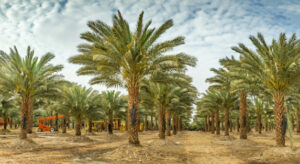
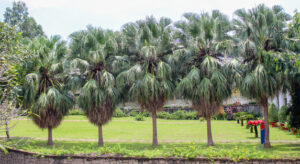
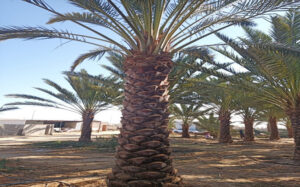
- Date palms: Well suited to the region's climate and commonly used in residential and commercial landscapes.
- Acacia trees: Certain species tolerate hot, dry conditions and can provide shade.
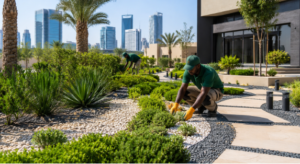
- Desert-adapted shrubs: Suitable species can add texture, structure, and greenery without requiring excessive irrigation once established.
- Aloe vera: A drought-tolerant succulent that works well in suitable garden beds and decorative planting arrangements.
- Bougainvillea: A colorful flowering plant that can thrive in hot conditions when planted in an appropriate location and managed carefully.
The best choices depend on the specific location, soil conditions, sun exposure, and irrigation plan. Even drought-tolerant plants need water during establishment, and some species may require additional irrigation during extreme heat.
When planning softscape landscaping in Saudi Arabia, prioritize plants that can thrive naturally in the local environment rather than selecting vegetation solely for its appearance.
2. Design the Landscape Around Water Requirements
An attractive landscape does not need to feature the same type of vegetation throughout the property. Instead, divide the outdoor space into planting zones according to each area's water requirements.
For example, a garden may include a shaded seating area, ornamental planting beds, trees around the perimeter, and a small lawn. Each area has different irrigation needs.
Grouping plants with similar water requirements makes irrigation easier to manage and prevents unnecessary watering.
Consider these practical approaches:
- Place drought-tolerant plants together in areas that receive direct sunlight.
- Use trees and shrubs strategically to provide shade where it is most beneficial.
- Reserve higher-water-use plants for small, carefully selected areas.
- Reduce large expanses of water-intensive turf where they are not essential.
- Position plants according to their sunlight, drainage, and soil requirements.
This approach, often called hydrozoning, helps ensure that each part of the landscape receives an appropriate amount of water.
For homeowners and commercial property managers, hydrozoning is an effective way to combine visual appeal with more responsible water use.
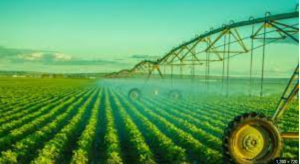
3. Install an Efficient Irrigation System
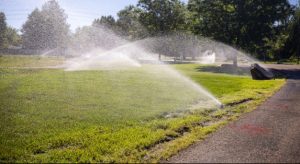
Even the most carefully selected plants can struggle when irrigation is poorly managed. Water may evaporate before reaching the roots, accumulate in unsuitable areas, or run off before the soil can absorb it.
A well-designed irrigation system helps deliver water where plants need it most.
Consider drip irrigation
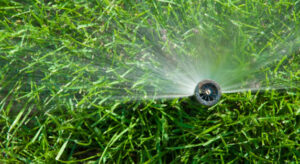
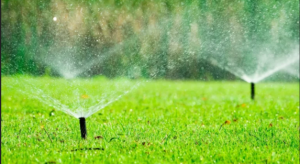
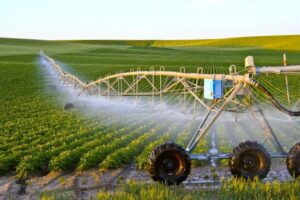
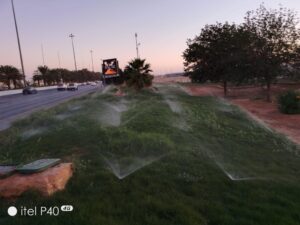
Drip irrigation delivers water slowly near the root zone rather than spraying it over large areas. This can reduce evaporation and unnecessary water application, particularly when combined with appropriate scheduling and maintenance.
It is especially useful for:
- Trees and shrubs
- Ornamental planting beds
- Residential garden borders
- Commercial landscape beds
- Landscapes with drought-tolerant vegetation
Use smart irrigation controls
Smart irrigation controllers and soil-moisture sensors can help adjust watering schedules according to plant needs and environmental conditions.
For example, irrigation can be scheduled during cooler periods to reduce evaporation. Moisture sensors may also help prevent watering when the soil already contains sufficient moisture.
However, technology alone does not guarantee water savings. The system must be correctly designed, maintained, and adjusted to suit the plants and site conditions.
For large properties, professional irrigation planning can help improve water distribution and reduce avoidable waste.
4. Improve Soil Quality to Retain Moisture
Soil conditions have a major influence on how efficiently a landscape uses water.
Some areas of Saudi Arabia have sandy soils that drain quickly, while others contain soils with different drainage and compaction characteristics. Understanding the existing soil is essential before choosing amendments or preparing planting beds.
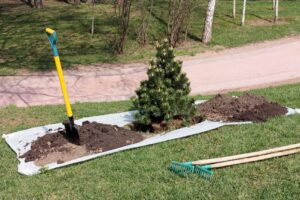
Adding suitable organic matter, such as mature compost, can improve soil structure and moisture retention in appropriate soils.
Before planting, consider the following steps:
- Assess the soil's texture, drainage, and existing condition.
- Identify whether the soil requires organic matter or other amendments.
- Prepare planting beds according to the requirements of the selected plants.
- Avoid excessive soil compaction around roots.
- Ensure that water can drain properly and does not accumulate around sensitive plants.
Soil amendments should be selected according to the site's conditions. Adding too much organic material or using unsuitable amendments may create drainage or soil-chemistry problems.
Healthy soil supports stronger root development and helps plants make better use of the water available to them.
5. Use Mulch to Reduce Water Loss
Mulching is a simple yet effective technique for improving water efficiency in landscaped areas.
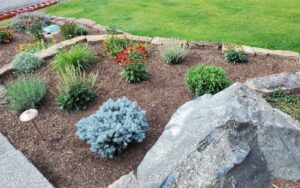
A layer of suitable mulch over the soil helps reduce direct evaporation, moderate soil temperatures, and limit weed growth. By reducing competition from weeds, mulch can also help ensure that more available moisture remains accessible to desirable plants.
Depending on the landscape design, suitable options may include organic mulch, wood chips, or decorative mineral materials.
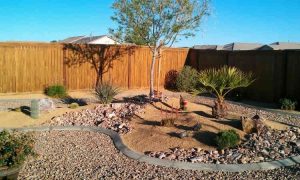
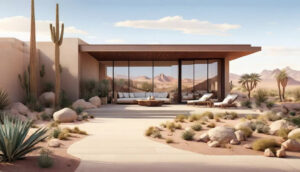
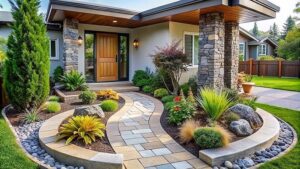
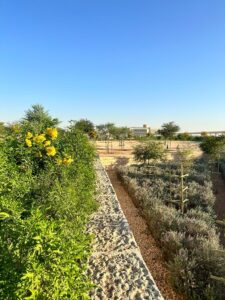
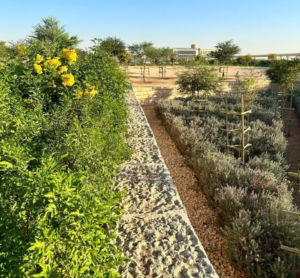
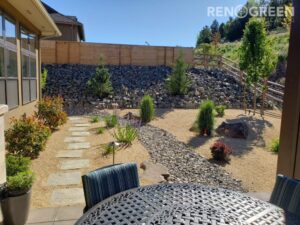
Organic mulch can gradually contribute organic matter to the soil as it decomposes. Decorative gravel and other mineral mulches can complement contemporary desert-inspired landscapes and are often suitable for drought-tolerant planting beds.
When applying mulch, keep the material away from direct contact with tree trunks and plant stems. This helps reduce the risk of moisture-related damage and other plant-health problems.
For properties exposed to intense sunlight, mulching can support more stable soil conditions and reduce the frequency of irrigation required in some planting areas.
6. Reduce Water-Intensive Lawn Areas
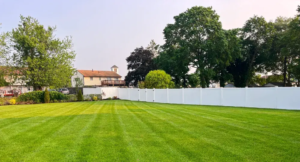
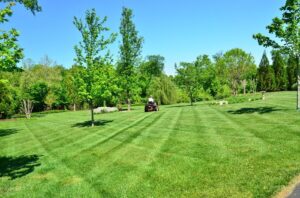
Large lawns can create a significant irrigation demand, particularly in hot, dry climates.
Although grass may be appropriate for play areas, recreational spaces, or specific landscape designs, it is not always necessary throughout an entire property.
Consider replacing some lawn areas with alternatives such as:
- Drought-tolerant trees and shrubs
- Decorative gravel gardens
- Climate-adapted ground covers
- Native or regionally suitable planting beds
- Carefully designed shaded garden areas
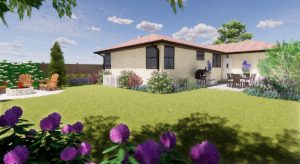
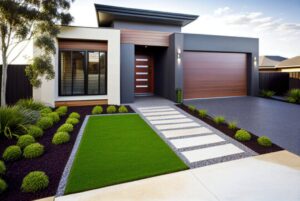
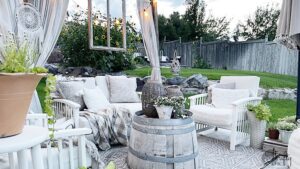
For example, a villa garden could feature a small lawn near an outdoor seating area, with drought-tolerant shrubs and trees around the perimeter.
Similarly, a commercial property could use structured planting beds, shade trees, and decorative ground treatments to create an attractive entrance without relying on extensive turf.
These design choices can reduce irrigation demand while maintaining a polished, professional appearance.
The goal is not to eliminate greenery but to use it strategically.
7. Incorporate Shade Into the Landscape Design
Shade plays an important role in creating comfortable outdoor environments in Saudi Arabia.
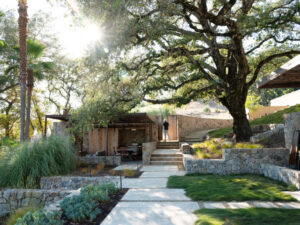
Strategically positioned trees can reduce direct sunlight on selected areas, helping make seating spaces, walkways, and garden areas more comfortable. Depending on the layout, shade may also reduce evaporation from nearby soil.
When planning shade, consider the mature height and canopy spread of each tree. The position of the sun changes throughout the day and across seasons, so planting locations should be chosen carefully.
For example, trees may be positioned near outdoor seating areas, along property boundaries, or beside pedestrian routes where shade is beneficial.
However, avoid placing trees where their roots could interfere with underground utilities, foundations, irrigation pipes, or paved surfaces.
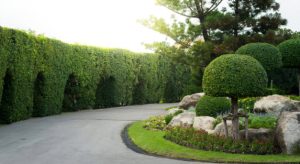
A well-planned combination of trees, shrubs, and ground-level planting can create a balanced landscape that supports comfort and water efficiency.
For softscape landscaping in Saudi Arabia, shade-focused planning is particularly valuable for residential villas, hospitality properties, office buildings, and other outdoor spaces exposed to intense sunlight.
8. Select Plants According to Their Location
Plant placement is just as important as plant selection.
A plant that thrives in partial shade may struggle in an exposed area with intense afternoon sunlight. Similarly, a species that tolerates dry soil may perform poorly in a low-lying area where water collects.
Before finalizing the landscape design, assess the site's sunlight, wind exposure, drainage, and available space.
Consider the following placement strategies:
- Position sun-loving plants in areas that receive adequate direct sunlight.
- Use suitable shade-tolerant species beneath trees or beside buildings.
- Select wind-tolerant vegetation for exposed locations.
- Group plants according to their mature size to avoid overcrowding.
- Keep irrigation requirements in mind when designing individual planting beds.
Correct placement reduces plant stress and can limit the need for excessive watering, replacement planting, and ongoing maintenance.
For larger landscaping projects, a site assessment can help identify the most suitable planting arrangements before installation begins.
9. Plan for Seasonal Changes and Irrigation Adjustments
Water requirements are not constant throughout the year.
During periods of extreme heat, plants may need more frequent irrigation, while cooler weather may reduce their water requirements. Newly planted vegetation generally needs closer attention than established plants with well-developed root systems.
A fixed watering schedule may therefore result in overwatering during cooler periods or insufficient watering during extreme heat.
To maintain a water-efficient landscape:
- Adjust irrigation schedules according to seasonal conditions.
- Check soil moisture before increasing watering frequency.
- Monitor plants for signs of heat stress or overwatering.
- Inspect irrigation emitters and pipes for leaks or blockages.
- Review irrigation coverage as plants grow and the landscape matures.
Avoid assuming that all plants require daily watering during summer. Irrigation frequency depends on the plant species, soil conditions, root development, weather, and irrigation method.
A flexible maintenance plan helps keep the landscape healthy without applying more water than necessary.
10. Choose Professional Softscape Landscaping Services
Designing a water-efficient landscape involves more than selecting attractive plants. It requires an understanding of local climate conditions, plant physiology, soil characteristics, irrigation systems, and long-term maintenance.
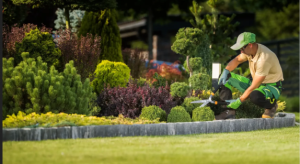
Professional landscapers can help assess the site, select suitable vegetation, plan irrigation zones, and develop a design that balances aesthetics with practical water requirements.
A professional softscape landscaping project may include:
- Site assessment and landscape planning
- Plant selection and planting-bed design
- Soil preparation and improvement
- Tree, shrub, and ground-cover installation
- Drip irrigation planning and installation
- Mulching and moisture-management strategies
- Ongoing landscape maintenance recommendations
For commercial developments, hotels, residential communities, and private villas, professional planning can help prevent costly design mistakes and improve the long-term performance of the landscape.
When evaluating a landscaping company, ask about its experience with drought-tolerant planting, irrigation efficiency, locally suitable vegetation, and maintenance planning.
The right partner should be able to explain how the proposed landscape will meet your visual goals while managing water consumption responsibly.
Benefits of Water-Efficient Softscape Landscaping in Saudi Arabia
A thoughtfully designed water-efficient landscape offers several practical advantages.
| Benefit | How It Helps |
| Reduced water consumption | Climate-adapted plants and efficient irrigation can reduce unnecessary watering. |
| Lower maintenance requirements | Suitable plant selection can reduce the need for frequent replacement and intensive care. |
| Improved plant health | Appropriate soil preparation and irrigation support healthy root development. |
| Better outdoor comfort | Strategically positioned trees can provide shade in selected areas. |
| Sustainable landscape design | Water-conscious planning supports more responsible use of available resources. |
| Long-term cost management | Efficient irrigation and suitable plant selection can help control ongoing maintenance expenses. |
| Enhanced visual appeal | A combination of trees, shrubs, ground covers, and decorative materials creates a balanced outdoor environment. |
Actual water savings and maintenance costs depend on the existing landscape, design choices, local conditions, and quality of installation.
Conclusion
Creating an attractive outdoor environment in a hot, dry climate does not have to mean excessive water consumption. With the right planning, property owners can enjoy healthy greenery while making more efficient use of available water.
The key is to select climate-adapted plants, group vegetation according to its water requirements, improve soil conditions, use suitable mulch, and install an efficient irrigation system. Reducing unnecessary lawn areas and incorporating strategically positioned shade trees can further improve the landscape's performance.
Softscape landscaping in Saudi Arabia works best when beauty, functionality, climate suitability, and water conservation are considered together from the beginning.
Whether you want to enhance a private villa, create a welcoming commercial property, or develop a sustainable outdoor space, investing in a carefully planned landscape can deliver lasting value.
Ready to Create a Water-Efficient Landscape?
Looking to transform your outdoor space with sustainable, climate-appropriate landscaping?
Contact our professional landscaping team today to discuss your requirements, explore suitable plant options, and plan a softscape landscape tailored to your property in Saudi Arabia.
From plant selection and garden design to irrigation planning and installation, we can help you create an outdoor environment that combines visual appeal with responsible water use.
Get in touch today to discuss your softscape landscaping project and take the first step toward a greener, more water-efficient outdoor space.
- Fountain and Waterfalls
- Gardening
- hardscape
- Irrigation system
- Landscape
- Lawn
- Nursery
- Palm Tree
- Plantation and Maintenance
- Private Villa Landscape Work
- softscape
- Tree Transplanting
- Washingtonian Tree
Categories
Latest Post
 .


















- Fountain and Waterfalls
- Gardening
- hardscape
- Irrigation system
- Landscape
- Lawn
- Nursery
- Palm Tree
- Plantation and Maintenance
- Private Villa Landscape Work
- softscape
- Tree Transplanting
- Washingtonian Tree