 +966 50 444 4872



How Landscape Maintenance Extends the Life of Your Plantation
16 September, 2026
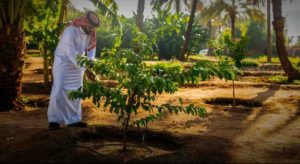
A beautiful landscape does not happen by planting trees, shrubs, and flowers and simply leaving them to grow. Plants need consistent care, the right amount of water, healthy soil, pruning, pest management, and seasonal attention to remain strong and attractive over time. This is where professional Plantation & Maintenance plays an important role.
Whether you manage a residential garden, commercial property, community space, or large landscaped area, regular landscape maintenance can significantly improve plant health and extend the life of your plantation. With the right maintenance approach, plants can grow more naturally, withstand environmental stress, and continue enhancing your property for years.
What Is Plantation & Maintenance?
Plantation & Maintenance involves two connected aspects of landscape management. Plantation focuses on selecting and establishing suitable trees, plants, shrubs, flowers, and other greenery, while maintenance ensures they remain healthy after planting.
A proper plantation maintenance program may include:
- Regular watering and irrigation
- Soil testing and improvement
- Fertilization and nutrient management
- Pruning and trimming
- Weed removal
- Pest and disease control
- Tree and shrub care
- Mulching
- Seasonal plant care
- Replacement of unhealthy or damaged plants
Planting is only the beginning. Consistent care is what helps a landscape reach its full potential.
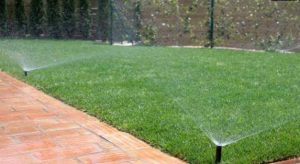
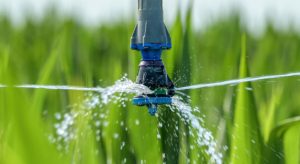
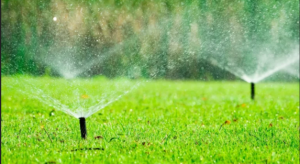
1. Regular Watering Supports Healthy Plant Growth
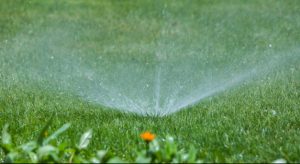
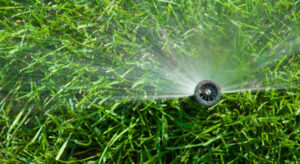
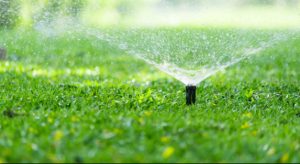
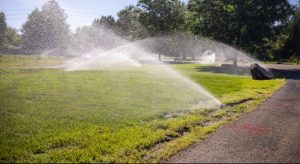
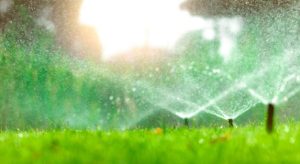
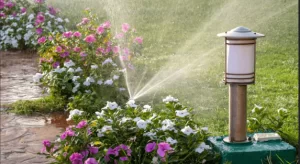
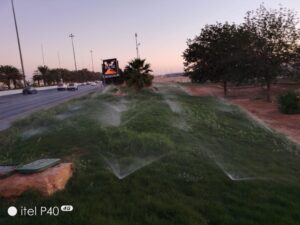
Water is one of the most important requirements for newly planted and established vegetation. However, watering too little can cause plants to become weak, while excessive watering can lead to root problems and fungal diseases.
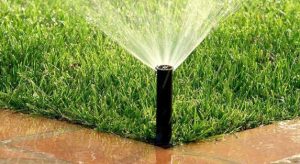
Professional plantation maintenance services can help establish an appropriate irrigation schedule based on plant type, soil conditions, weather, and landscape requirements.
Efficient irrigation ensures that plants receive adequate moisture without unnecessary water consumption. This supports healthier roots and reduces stress during hot or dry periods.
2. Pruning Keeps Plants Healthy and Attractive
Overgrown branches, dead stems, and damaged foliage can affect both the appearance and health of a landscape. Regular pruning removes unhealthy growth and allows plants to direct their energy toward stronger branches and new growth.
Proper pruning can also:
- Improve air circulation
- Allow more sunlight to reach plants
- Remove damaged branches
- Control excessive growth
- Improve the shape of trees and shrubs
- Reduce the risk of certain diseases
As part of a comprehensive Plantation & Maintenance plan, pruning should be performed according to the specific needs of each plant rather than following a one-size-fits-all approach.
3. Healthy Soil Creates Stronger Plants
Even the healthiest plants can struggle when the soil does not provide adequate nutrients or drainage. Soil compaction, nutrient deficiencies, poor drainage, and incorrect pH levels can gradually weaken vegetation.
Regular soil assessment allows landscape professionals to identify potential problems and make appropriate improvements. Depending on the condition of the soil, maintenance may involve adding organic matter, compost, mulch, or suitable fertilizers.
Healthy soil encourages stronger root development, which is essential for long-term plant growth.
4. Pest and Disease Management Prevents Long-Term Damage
Pests and plant diseases can spread quickly if they are not identified early. What begins as a few damaged leaves can eventually affect entire sections of a landscape.
Routine inspections are an important part of plantation care and maintenance. Professionals can identify early signs of infestation, fungal infections, nutrient deficiencies, or other plant health problems.
Early intervention can reduce damage and help prevent the problem from spreading to surrounding plants.
5. Weed Control Reduces Competition
Weeds compete with plants for water, nutrients, sunlight, and growing space. If they are allowed to spread, they can make it more difficult for desirable plants to thrive.
Regular weed removal keeps landscape beds cleaner while reducing competition for essential resources. Effective weed management also contributes to a more organized and visually appealing property.
For larger landscapes, incorporating weed control into a scheduled landscape plantation and maintenance program can make ongoing care more manageable.
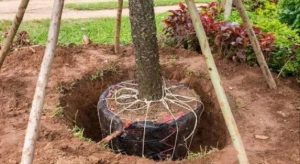
6. Mulching Protects the Root Zone
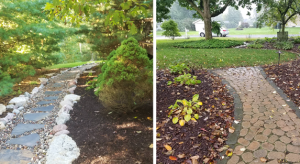
Mulching is a simple but effective landscape maintenance practice. A suitable layer of mulch around plants can help retain soil moisture, moderate soil temperature, suppress weeds, and add organic matter as it decomposes.
However, mulch should be applied correctly. Excessive mulch or placing it directly against tree trunks can create additional problems.
Professional maintenance teams can determine the appropriate type and application method based on the landscape and plant requirements.
7. Seasonal Maintenance Helps Plants Adapt
Plants face different challenges throughout the year. Heat, heavy rainfall, cold weather, strong winds, and changing moisture levels can all affect plant health.
A seasonal Plantation & Maintenance schedule allows property owners to address these changes proactively.
For example, maintenance activities may include:
- Adjusting irrigation during changing weather
- Seasonal pruning
- Applying appropriate nutrients
- Removing damaged branches
- Monitoring for seasonal pests
- Protecting sensitive plants
- Replacing plants that have failed to establish
Adapting maintenance practices to seasonal conditions can help plants remain resilient throughout the year.
8. Regular Inspections Identify Problems Early
One of the biggest advantages of professional landscape maintenance is early problem detection.
A plant may appear healthy from a distance while already experiencing root problems, pest activity, nutrient deficiencies, or disease. Regular inspections allow these issues to be identified before they become more expensive or difficult to manage.
Instead of waiting until plants show significant damage, proactive plantation maintenance services focus on prevention as well as treatment.
9. Proper Maintenance Protects Your Landscaping Investment
Plantation requires an investment in plants, soil preparation, irrigation, labor, and landscape design. Allowing a newly established landscape to deteriorate can result in additional costs for plant replacement and corrective work.
Regular maintenance helps protect that investment by keeping plants healthier and reducing avoidable damage.
In the long run, a consistent maintenance schedule can be more practical than repeatedly repairing a neglected landscape.
10. A Well-Maintained Landscape Improves Property Appeal
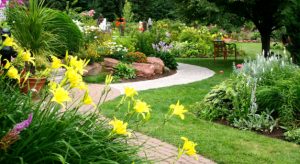
Healthy greenery can transform the appearance of a property. Well-maintained trees, shrubs, lawns, and flowering plants create a cleaner, more welcoming environment for residents, visitors, customers, and employees.
For commercial properties, professional landscape plantation and maintenance services can also contribute to a more professional exterior appearance.
The goal is not simply to keep plants alive. It is to create a landscape that remains healthy, functional, and visually attractive over the long term.
How Often Should Plantation Maintenance Be Performed?
There is no single maintenance schedule that works for every landscape. Frequency depends on factors such as:
- Plant varieties
- Property size
- Local climate
- Soil conditions
- Irrigation system
- Seasonal changes
- Pest and disease risks
- Landscape design
Some landscapes may require weekly attention, while others may need maintenance at longer intervals. A professional assessment can help determine an appropriate schedule based on the property's specific requirements.
Build a Long-Term Plantation & Maintenance Plan
A successful landscape requires more than occasional gardening. It needs a structured approach that combines planting, monitoring, irrigation, pruning, soil care, pest management, and seasonal maintenance.
A professional Plantation & Maintenance program can help extend plant life, reduce unnecessary replacements, improve landscape appearance, and protect your investment.
Instead of waiting for plants to become unhealthy or overgrown, proactive maintenance keeps potential problems under control from the beginning.
Give Your Landscape the Care It Deserves
A well-planned plantation can provide beauty, shade, environmental benefits, and lasting value—but only when it receives consistent care. From watering and pruning to soil management and pest control, every maintenance activity contributes to the long-term health of your landscape.
If you want your plants to grow stronger, look healthier, and remain an attractive part of your property for years to come, professional Plantation & Maintenance can make a meaningful difference.
Ready to give your landscape the care it deserves? Contact our landscaping team today to discuss your Plantation & Maintenance requirements and create a customized maintenance plan for your property.
- Fountain and Waterfalls
- Gardening
- hardscape
- Irrigation system
- Landscape
- Lawn
- Nursery
- Palm Tree
- Plantation and Maintenance
- softscape
- Tree Transplanting
- Washingtonian Tree
Categories
Latest Post
 .
.



















































































































































- Fountain and Waterfalls
- Gardening
- hardscape
- Irrigation system
- Landscape
- Lawn
- Nursery
- Palm Tree
- Plantation and Maintenance
- softscape
- Tree Transplanting
- Washingtonian Tree