 +966 50 444 4872


The Ultimate Guide to Nursery Management Best Practices
5 January, 2026
Effective nursery management is the backbone of successful landscaping and horticultural operations, particularly in arid and semi-arid regions such as Saudi Arabia. For any Nursery Landscape Company in Riyadh or a Nursery Landscape Company in Saudi Arabia, adopting structured best practices is essential to ensure plant quality, operational efficiency, sustainability, and long-term profitability. This guide provides a detailed overview of nursery management best practices tailored to the regional climate, market expectations, and modern landscaping standards.
Understanding Nursery Management in the Saudi Arabian Context
Nursery management in Saudi Arabia is a specialized discipline that requires a deep understanding of the region’s climatic, environmental, and market-specific challenges. For a professional Nursery Landscape Company in Riyadh or a well-established Nursery Landscape Company in Saudi Arabia, nursery management goes far beyond basic plant cultivation. It involves strategic planning, scientific growing practices, efficient resource utilization, and alignment with national sustainability goals. Saudi Arabia’s arid climate, high temperatures, low rainfall, and saline soil conditions demand tailored nursery solutions that differ significantly from those used in temperate regions.
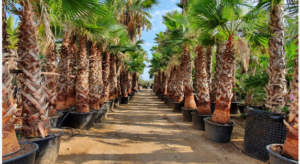
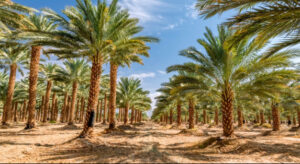
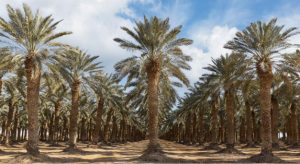
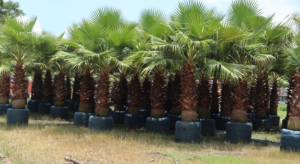
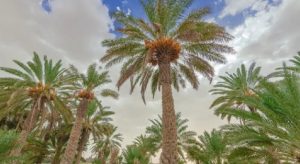
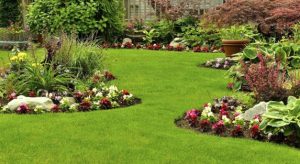
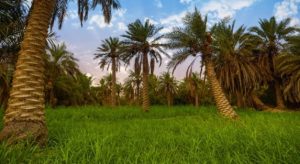
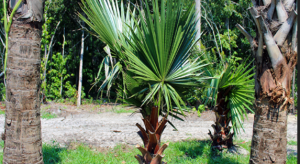
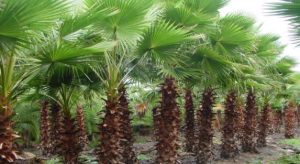
In this context, nursery management focuses on producing healthy, resilient, and landscape-ready plants that can survive and thrive after transplantation. Nurseries must prioritize native and adaptive plant species that require minimal water while offering maximum aesthetic and functional value. This includes palms, ornamental shrubs, ground covers, flowering plants, and shade trees that are commonly used in residential, commercial, and public landscaping projects. A Nursery Landscape Company in Saudi Arabia must also account for increasing urban development, demand for green spaces, and large-scale infrastructure projects.
Additionally, government initiatives such as Saudi Vision 2030 have intensified the focus on environmental sustainability and urban greening. As a result, nursery management practices are expected to support ecological balance, reduce carbon footprints, and promote responsible water usage. Compliance with local regulations, quality standards, and environmental guidelines is now a core requirement rather than an optional practice. Effective nursery management, therefore, becomes a strategic function that directly impacts plant quality, client satisfaction, project success, and long-term business growth for any Nursery Landscape Company in Riyadh.
Site Planning and Infrastructure Management
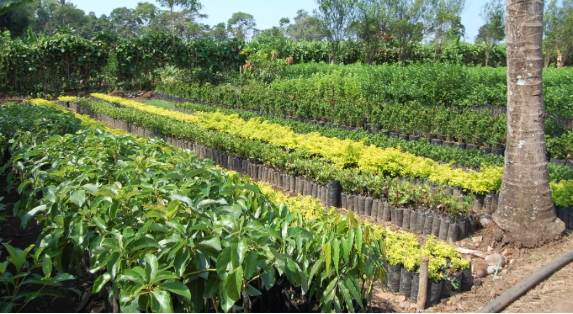
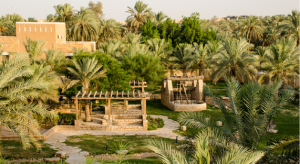
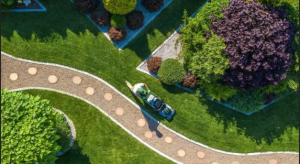
Efficient site planning and robust infrastructure are fundamental to successful nursery operations, particularly in the demanding environmental conditions of Saudi Arabia. For a Nursery Landscape Company in Riyadh, careful site selection determines not only operational efficiency but also plant health and survival rates. The nursery site must offer proper drainage, protection from extreme winds, and easy access to transportation routes for the movement of plants, materials, and equipment. Poor site planning often results in waterlogging, plant stress, and increased operational costs.
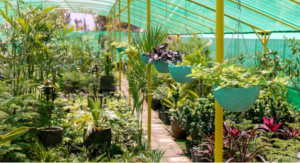
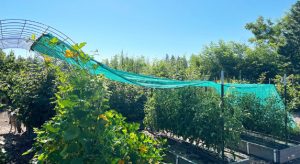
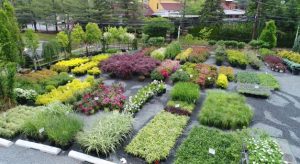
Infrastructure planning should include clearly defined functional zones such as propagation areas, growing sections, hardening zones, display areas, storage facilities, and administrative spaces. Each zone must be designed to support specific activities while minimizing cross-contamination and operational bottlenecks. Shade houses, greenhouses, windbreaks, and temperature-control systems play a critical role in protecting plants from extreme heat and sandstorms, which are common in Riyadh and other parts of Saudi Arabia.
A professional Nursery Landscape Company in Saudi Arabia also invests in durable flooring, irrigation pipelines, and efficient drainage systems to ensure long-term functionality. Internal pathways should allow smooth movement of labor and machinery without disturbing plant beds. Adequate lighting, security, and safety measures further enhance operational reliability. Well-planned infrastructure not only improves productivity but also supports scalability, enabling nurseries to meet growing market demand while maintaining consistent quality standards.
Plant Selection and Propagation Techniques
Plant selection is one of the most critical decisions in nursery management, especially for a Nursery Landscape Company in Riyadh operating in an arid environment. The success of landscaping projects largely depends on the nursery’s ability to supply plant species that are both visually appealing and environmentally resilient. Native and climate-adapted plants should form the core of nursery inventories, as they are better suited to withstand high temperatures, water scarcity, and saline soils.
Propagation techniques must be selected based on plant type, desired scale, and quality requirements. Common propagation methods include seed propagation, cuttings, grafting, layering, and tissue culture. Each method has specific advantages and limitations, and professional nurseries often use a combination to ensure consistent supply. A Nursery Landscape Company in Saudi Arabia must prioritize disease-free mother plants, certified seeds, and controlled propagation environments to minimize losses and ensure uniformity.
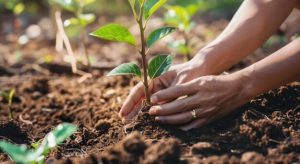
Proper labeling, batch tracking, and growth monitoring are essential during the propagation phase. Nurseries should maintain detailed records of plant origin, propagation date, and growth performance. This systematic approach ensures traceability and quality assurance. By aligning plant selection with regional landscaping needs and using scientifically proven propagation methods, a Nursery Landscape Company in Riyadh can deliver reliable, high-performance plant stock to clients across residential, commercial, and public-sector projects.
Soil, Growing Media, and Container Management
Soil and growing media management directly influence plant growth, root development, and overall nursery productivity. In Saudi Arabia, natural soil conditions often present challenges such as low organic matter and high salinity. Therefore, a Nursery Landscape Company in Saudi Arabia must rely on customized growing media blends that provide optimal aeration, moisture retention, and nutrient availability.
Growing media typically include a combination of sand, peat, coco peat, compost, and perlite, adjusted according to plant requirements. Regular testing of pH and salinity levels is essential to maintain a healthy growing environment. Organic matter should be incorporated to improve soil structure and water-holding capacity. A Nursery Landscape Company in Riyadh must also ensure proper sterilization of media to prevent pest and disease outbreaks.
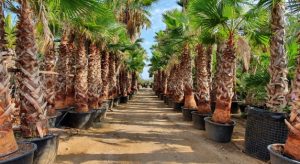
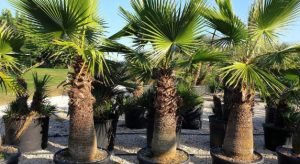
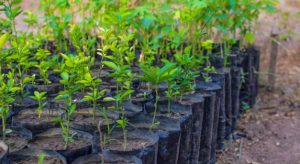
Container selection is equally important. Containers must support healthy root systems while allowing easy handling and transportation. Poor-quality or undersized containers often lead to root binding and transplant shock. Proper spacing between containers ensures adequate airflow and light penetration, reducing disease risks. Effective soil and container management practices enable nurseries to produce strong, uniform plants that perform well in landscaping applications throughout Saudi Arabia.
Irrigation and Water Management Systems
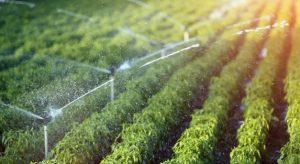
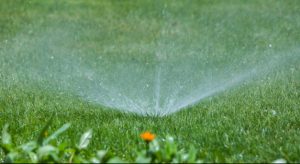
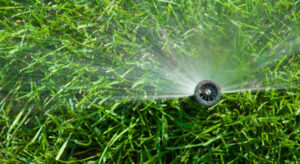
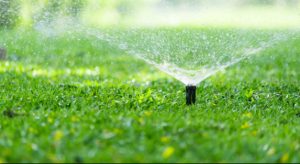
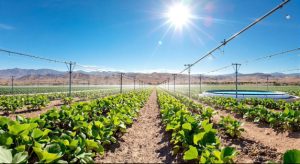
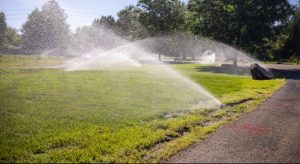
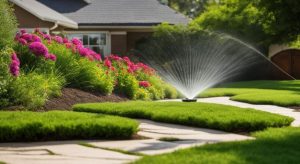
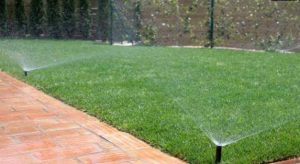
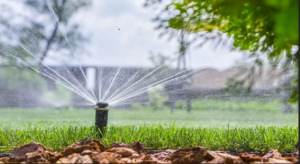
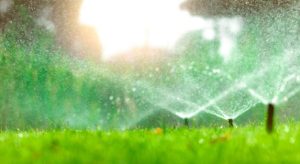
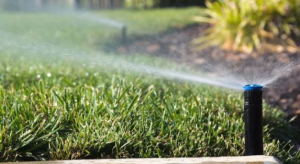
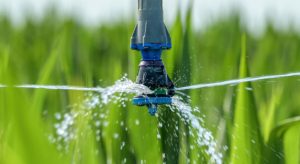
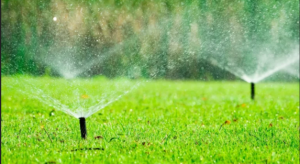
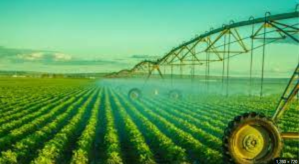
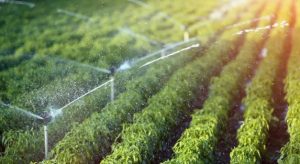
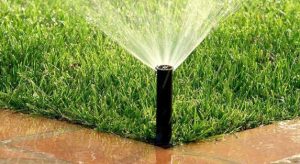
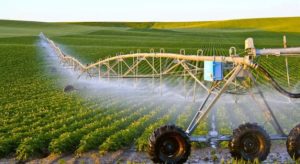
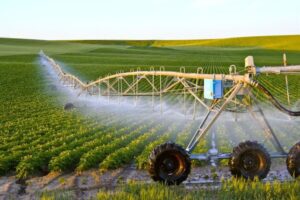
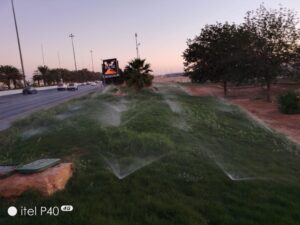
Water management is a defining factor in nursery success within Saudi Arabia’s water-scarce environment. For a Nursery Landscape Company in Riyadh, efficient irrigation systems are essential to balance plant health with responsible water usage. Traditional flood irrigation methods are inefficient and unsuitable for modern nursery operations. Instead, drip irrigation and micro-sprinkler systems provide targeted water delivery, minimizing evaporation and runoff.
Irrigation schedules should be based on plant type, growth stage, seasonal conditions, and evapotranspiration rates. Automated irrigation controllers and soil moisture sensors allow precise water management and reduce human error. A Nursery Landscape Company in Saudi Arabia should also regularly inspect irrigation lines, emitters, and valves to prevent leaks and system failures.
Where regulations permit, treated wastewater and recycled water can be integrated into nursery irrigation systems, further enhancing sustainability. Efficient water management not only reduces operational costs but also aligns with national conservation goals. By adopting advanced irrigation technologies and disciplined water-use practices, a Nursery Landscape Company in Riyadh can achieve optimal plant growth while supporting long-term environmental responsibility.
Fertilization and Nutrient Management
Balanced fertilization is essential for producing healthy, landscape-ready plants. A Nursery Landscape Company in Saudi Arabia must adopt a scientific approach to nutrient management rather than relying on generalized fertilization routines. Soil and leaf analysis provide valuable insights into nutrient deficiencies and guide precise fertilizer application.
Both slow-release and water-soluble fertilizers play important roles in nursery nutrition programs. Slow-release fertilizers ensure consistent nutrient availability, while water-soluble fertilizers allow rapid correction of deficiencies. Over-fertilization must be avoided, as it can lead to salt accumulation, root damage, and environmental pollution. A Nursery Landscape Company in Riyadh should tailor fertilization schedules based on plant species, growth stages, and seasonal demand.
Proper nutrient management enhances plant vigor, color, and root development, ultimately improving transplant success rates. Accurate record-keeping of fertilizer usage and plant response supports continuous improvement. By implementing disciplined fertilization strategies, nurseries can maintain high-quality standards while minimizing waste and environmental impact.
Pest, Disease, and Weed Control
Effective pest, disease, and weed management is critical to maintaining nursery hygiene and plant quality. For a Nursery Landscape Company in Riyadh, integrated pest management (IPM) offers a balanced and sustainable approach. IPM emphasizes prevention, monitoring, and targeted intervention rather than routine chemical application.
Regular inspection of plants allows early detection of pests and diseases, reducing the risk of widespread infestation. Biological controls, cultural practices, and mechanical removal should be prioritized wherever possible. When chemical treatments are necessary, only approved products should be used in controlled quantities. A Nursery Landscape Company in Saudi Arabia must ensure compliance with environmental and safety regulations.
Weed control is equally important, as weeds compete for nutrients, water, and space. Maintaining clean pathways, mulching, and proper spacing helps minimize weed growth. A proactive pest and weed management strategy protects nursery investments and ensures the delivery of
Conclusion
Implementing nursery management best practices is essential for delivering high-quality landscaping solutions in Saudi Arabia’s challenging environment. From plant selection and irrigation efficiency to workforce training and sustainability, every aspect of nursery management plays a crucial role in success. A professional Nursery Landscape Company in Riyadh or Nursery Landscape Company in Saudi Arabia that adheres to these best practices not only ensures healthier plants but also builds long-term trust, operational resilience, and industry leadership.
- Fountain and Waterfalls
- Gardening
- hardscape
- Irrigation system
- Landscape
- Lawn
- Nursery
- Palm Tree
- Plantation and Maintenance
- Private Villa Landscape Work
- softscape
- Tree Transplanting
- Washingtonian Tree
Categories
Latest Post
 .
.





























- Fountain and Waterfalls
- Gardening
- hardscape
- Irrigation system
- Landscape
- Lawn
- Nursery
- Palm Tree
- Plantation and Maintenance
- Private Villa Landscape Work
- softscape
- Tree Transplanting
- Washingtonian Tree