 +966 50 444 4872


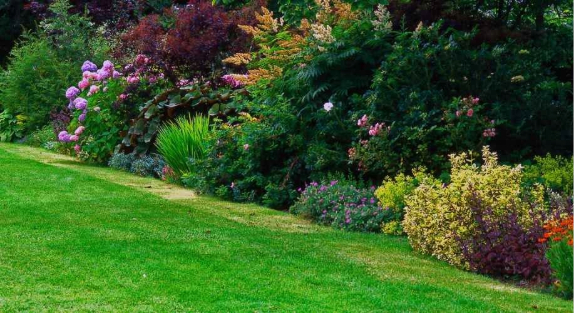
Softscape Maintenance Tips for Saudi Arabia Weather Conditions
14 January, 2026
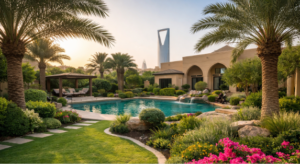
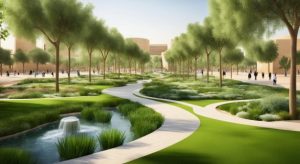
Softscape landscaping plays a pivotal role in creating visually appealing, environmentally friendly outdoor spaces across Saudi Arabia. However, maintaining softscape elements in the Kingdom’s harsh climate—characterized by high temperatures, intense sunlight, low rainfall, and sandy soil—requires strategic planning and regular upkeep. Whether you are managing softscape landscaping installation Saudi Arabia, working on softscape landscaping installation Riyadh, or maintaining residential and commercial landscapes in other regions, the right maintenance practices ensure plant health, water efficiency, and long-term sustainability.
This article outlines practical, climate-specific softscape maintenance tips designed for Saudi Arabia’s environmental conditions.
Understanding Saudi Arabia’s Climate Challenges for Softscape Maintenance
Softscape landscaping in Saudi Arabia sits within one of the most demanding climatic environments in the world. Extreme summer heat, prolonged dry periods, intense solar radiation, saline soils in coastal regions, and recurrent dust storms together create persistent stress on plants, lawns, shrubs, and trees. Therefore, maintenance cannot follow generic global guidelines; it must be tailored to the specific environmental dynamics of the Kingdom. When planning or maintaining softscape landscaping installation Saudi Arabia, it is important to assess microclimates in each city, as conditions in Riyadh differ from Jeddah or Dammam.
Riyadh, for example, experiences very high summer temperatures and low humidity, while coastal cities face higher salinity and moisture. Maintenance planning must consider wind direction, shade availability, soil structure, and irrigation access. Dust deposition on leaves reduces photosynthesis, while hot winds accelerate transpiration, making water management essential. Without climate-aligned care, even drought-resistant species can decline. Successful softscape systems therefore rely on preventive strategies, routine observation, and long-term adaptation rather than reactive fixes. Homeowners, facility managers, and landscaping contractors involved in softscape landscaping installation Riyadh or other Saudi regions should also recognize seasonal variability.
Winter allows recovery and growth, whereas summer requires protection and stress mitigation. Understanding the climate challenge is the foundation upon which every other maintenance decision is built, from plant selection to irrigation, mulching, shading, pruning, and pest control. When climate is considered as a primary design parameter rather than a background condition, softscape becomes not only sustainable but resilient, cost-effective, and visually cohesive over time.
Selecting Native and Climate-Resilient Plant Species
Plant selection is the single most influential factor in determining the long-term success of softscape maintenance in Saudi Arabia. Choosing species that are not inherently adapted to arid heat inevitably leads to constant replacements, excessive water consumption, weak root systems, and ongoing stress symptoms such as leaf scorching or stunted growth. For this reason, any softscape landscaping installation in Saudi Arabia should ideally be anchored in native or naturalized drought-resistant plants.
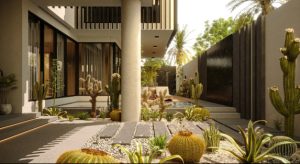
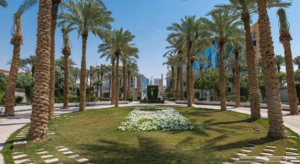
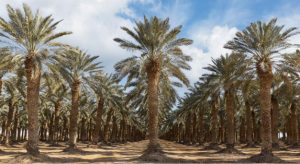
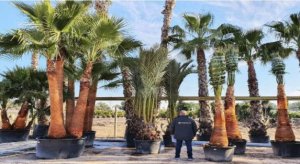
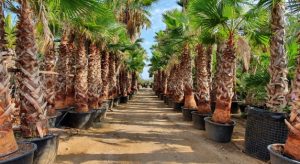
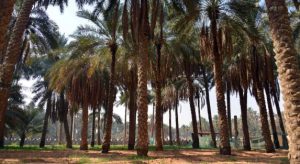
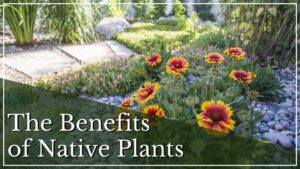
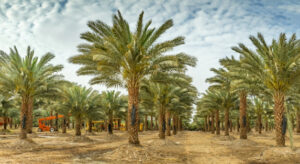
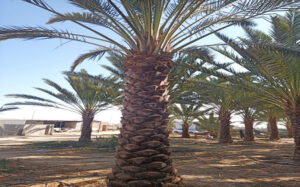
Native plants have evolved under local climate pressures and therefore demonstrate high tolerance to temperature extremes, salinity, and limited rainfall. Examples include date palms, ghaf trees, acacia, oleander, bougainvillea, desert grasses, and certain succulents. They require less irrigation, fewer fertilizers, and reduced maintenance intervention. In softscape landscaping installation Riyadh, deep-rooted trees that provide natural shade are particularly valuable because they support human comfort while also sheltering understory plants from intense sun exposure. When selecting species, it is advisable to consider canopy spread, root depth, leaf density, seasonal flowering cycles, and compatibility with surrounding hardscape elements. Another key aspect is biodiversity.
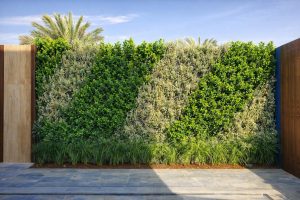
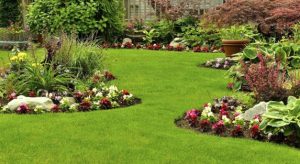
Instead of relying on a single dominant species, a mixed-plant palette increases ecological resilience, reducing the risk of widespread pest or disease outbreaks. Groundcovers are extremely useful for moisture conservation, while shrubs create structure and visual continuity. Ornamental grasses provide texture and movement, which enhances the aesthetic quality of desert landscapes without demanding heavy irrigation. Maintenance becomes significantly easier when plants are compatible with climate conditions rather than artificially sustained.
In addition, correct placement—sun-loving plants in open spaces and shade-sensitive species under cover—ensures long-term vitality. Plant selection is therefore not merely a design decision; it is a foundational maintenance strategy that determines how sustainable and durable a landscape will be over years of exposure to Saudi Arabia’s weather conditions.
Designing and Maintaining Efficient Irrigation Systems
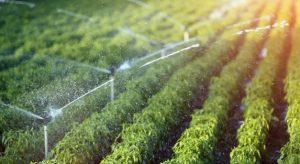
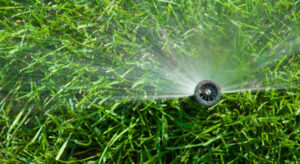
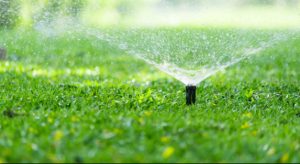
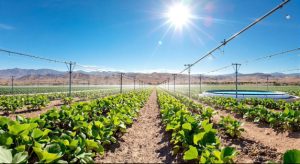
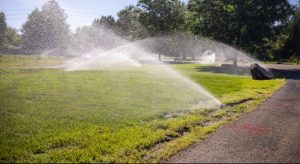
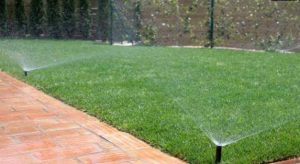
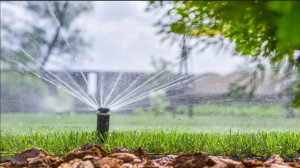
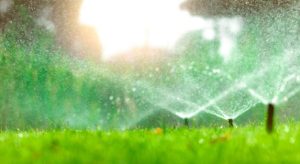
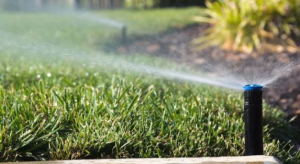
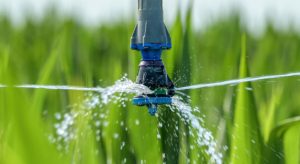
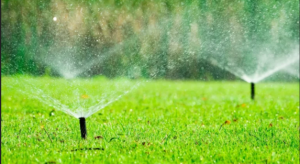
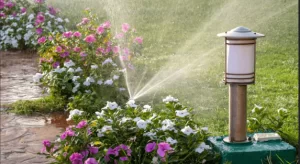
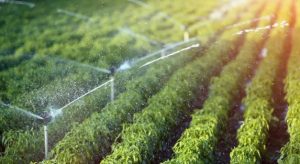
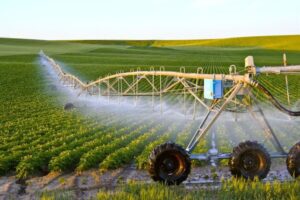
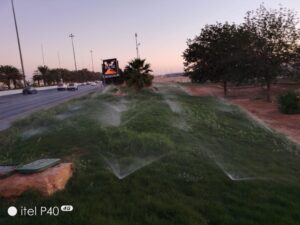
Water is the central resource governing softscape survival in Saudi Arabia. Given the scarcity of rainfall and high evaporation rates, irrigation systems must be designed with precision and maintained with equal discipline. Conventional overhead sprinklers are often inefficient because a substantial portion of water evaporates before reaching the root zone, especially during hot daytime hours.
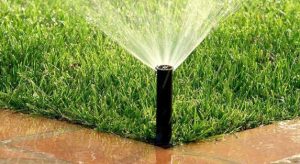
Therefore, for effective softscape landscaping installation Saudi Arabia, drip irrigation is considered best practice. Drip systems deliver measured quantities of water directly to the roots, minimizing surface runoff and evaporation loss. Smart irrigation controllers further improve efficiency by adjusting schedules based on temperature, humidity, and soil moisture levels. In softscape landscaping installation Riyadh, where peak temperatures are particularly high, irrigation should ideally occur at dawn or late evening to minimize evaporation and plant shock. Maintenance of irrigation systems is as important as installation. Emitters can clog due to dust, mineral deposits, or soil sediments; leaks can waste large volumes of water; uneven pressure can cause dry patches or waterlogging.
Routine inspection ensures that distribution remains uniform and water reaches all planted areas consistently. Mulch application around plants complements irrigation by improving moisture retention. It is equally important to avoid overwatering, which promotes shallow root growth and increases vulnerability during heat waves. Plants must be encouraged to develop deep root systems by periodic controlled watering. Landscape zoning is another essential strategy, grouping plants with similar water needs to avoid inefficient blanket watering.
As Saudi Arabia moves toward sustainable water management aligned with national environmental goals, well-designed irrigation systems are no longer optional features; they are essential infrastructure supporting the viability of softscape landscaping across residential, commercial, hospitality, and public environments.
Soil Preparation, Amendment, and Mulching Practices
Soil is often overlooked in landscaping discussions, yet it determines nutrient availability, water retention, and root development. Many regions in Saudi Arabia contain sandy or calcareous soils with low organic matter, poor structure, and limited fertility. Without intervention, these soils cannot support vigorous plant growth in softscape environments. During and after softscape landscaping installation in Saudi Arabia, soil preparation becomes a critical maintenance function rather than a one-time installation step.
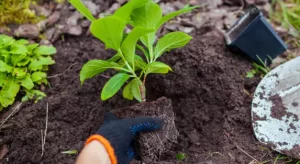
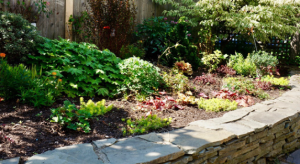
Incorporating compost, aged manure, peat moss, or other organic amendments enhances structure, increases nutrient content, and improves moisture-holding capacity. Regular soil testing allows property owners and maintenance teams to monitor pH, salinity, and nutrient levels, adjusting treatment strategies accordingly. Mulching is one of the most practical and climate-adaptive maintenance techniques in Saudi conditions. Organic mulches such as wood chips, bark, shredded leaves, or palm waste form an insulating layer on the soil surface.
This layer reduces evaporation losses, suppresses weed growth, moderates soil temperature, and prevents erosion during wind or sandstorms. Mulch also gradually breaks down, enriching the soil with organic matter. In softscape landscaping installation Riyadh, mulching is especially beneficial because temperature fluctuation between day and night is substantial, and insulation stabilizes root environments. Aeration is another useful maintenance practice because compacted soil impedes root penetration and reduces oxygen availability. Aerating lawns and planting beds periodically keeps soil porous and biologically active.
Avoiding excessive use of chemical fertilizers is also essential; organic conditioners are preferable because they improve long-term soil health rather than offering only temporary nutrient spikes. Healthy soil reduces water consumption, increases plant resilience, supports beneficial microorganisms, and ultimately lowers maintenance cost and effort. A strong soil foundation transforms softscape areas from fragile systems requiring constant attention into self-supporting green spaces capable of enduring harsh weather conditions for many years.
Sun Protection, Shading Strategies, and Plant Stress Reduction
One of the most significant threats to softscape elements in Saudi Arabia is prolonged and direct sun exposure. Leaves can scorch, flowers wilt prematurely, soil dries rapidly, and transpiration rates surge, causing water stress even in irrigated landscapes. Therefore, effective shading is a core maintenance strategy, not simply an aesthetic design choice. In softscape landscaping installation Saudi Arabia, shading can be achieved through both natural and structural means.
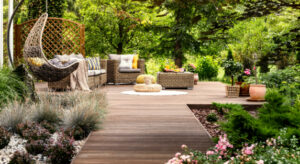
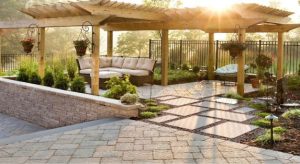
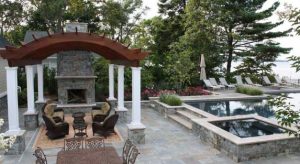
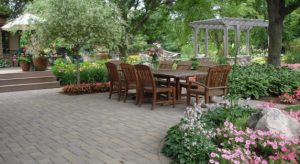
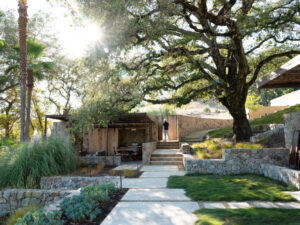
Naturally, taller trees with broad canopies provide cover for understory shrubs and groundcovers, creating layered landscapes where each plant receives optimal light without suffering heat damage. Structurally, pergolas, trellises, shade sails, and screened walkways offer controlled shading for seating areas, pathways, and delicate plantings. In softscape landscaping installation Riyadh, shaded garden zones are particularly valued because summer temperatures regularly exceed comfort thresholds, and shaded microclimates enhance usability of outdoor spaces. Newly installed plants are especially vulnerable to sun stress; temporary shade cloths can be used during establishment periods until root systems strengthen.
Anti-transpirant sprays, when applied responsibly, also reduce moisture loss during heat waves. Maintenance teams should continually monitor for signs of heat stress such as yellowing, leaf curling, or scorching, and respond quickly with shading or adjusted irrigation. Another effective method is strategic plant placement, ensuring sun-loving species receive full light while sensitive ones are shielded. The integration of reflective hardscape materials should be carefully managed, as they can intensify heat near planting beds.
Shading not only improves plant survival but also enhances overall landscape energy efficiency, reducing ambient temperature around buildings and contributing to urban heat mitigation. By prioritizing shade as an intentional component of maintenance planning, softscape landscapes across Saudi Arabia become more resilient, visually comfortable, and sustainable for long-term use.
Seasonal Maintenance Planning for Summer and Winter Conditions
Saudi Arabia’s seasonal pattern is distinct, and maintenance strategies must shift accordingly to ensure healthy softscape development. Summer is characterized by extreme heat, intense sunlight, and rapid evaporation; winter brings milder temperatures, occasional rain in some regions, and improved growth conditions for many species. A structured seasonal maintenance plan ensures that landscapes not only survive summer but actively thrive through winter. During summer, softscape landscaping installation in Saudi Arabia requires heightened attention to irrigation scheduling, shading, mulching, and stress monitoring.
Watering should occur during early morning or late evening, and plants must be observed for signs of dehydration, including wilting or brown leaf edges. Fertilization is generally minimized in peak summer because plants are under stress and cannot utilize nutrients efficiently. In contrast, winter is the optimal period for pruning, fertilizing, replanting, and adding new softscape features. Many species enter active growth phases, making winter suitable for expansion and rejuvenation projects, including softscape landscaping installation Riyadh for newly developed residential or commercial properties. Seasonal flowering plants can be introduced in winter to enhance aesthetics that would be difficult to achieve in summer. Another important element of seasonal planning is wind protection, especially during sandstorm periods. Installing windbreak hedges or screens protects foliage and reduces soil erosion.
Maintenance schedules should include periodic cleaning of dust from leaves to restore photosynthetic capacity. Seasonal calendars help property owners and facility managers allocate budgets, manpower, and irrigation resources effectively. Rather than treating maintenance as a uniform year-round activity, aligning it with seasonal cycles ensures higher survival rates, stronger root systems, and healthier overall landscapes. When seasonal dynamics are integrated into maintenance planning, softscape landscaping becomes not an ongoing struggle against climate, but a coordinated system that works with environmental rhythms.
Pest, Disease, and Dust Management in Harsh Climates
Hot, dry environments do not eliminate pests; they simply favor different types. In Saudi Arabia, mites, aphids, scale insects, and certain fungal infections can affect softscape landscapes, particularly when plants are weakened by heat stress or improper watering. Effective pest and disease management begins with observation rather than chemical application. Regular inspection of leaves, stems, and soil allows early detection, preventing small issues from escalating into widespread infestations.
For anyone managing softscape landscaping installation Saudi Arabia, washing foliage periodically is an extremely beneficial practice. Dust accumulation, common during sandstorms, restricts gas exchange and reduces photosynthesis. A light water spray removes debris and refreshes leaves, improving plant metabolism. Integrated pest management (IPM) is recommended, relying first on physical removal, beneficial insects, and organic treatments rather than immediate chemical pesticides. In softscape landscaping installation Riyadh, where residential density is high, reducing chemical exposure is especially important to protect families and pets.
Overwatering is a frequent trigger for disease, promoting root rot and fungal growth, so irrigation discipline directly supports pest prevention. Healthy soil biology also reduces disease occurrence because beneficial microorganisms compete with pathogens. Pruning dead or infected branches prevents further spread while encouraging new growth. Proper spacing between plants ensures airflow, reducing humidity pockets that favor disease development. Dust management extends beyond leaves; it can clog irrigation emitters and reduce system efficiency, making regular inspection essential.
When pest control focuses on long-term ecosystem balance rather than short-term eradication, landscapes become stronger and more self-sustaining. Thoughtful pest, disease, and dust management therefore forms a central pillar of maintenance strategy for any softscape environment exposed to Saudi Arabia’s intense weather conditions.
Value of Professional Softscape Maintenance Services
While basic watering and cleaning can be handled by property owners, professional maintenance services provide structured expertise that significantly enhances landscape performance and longevity. Teams specializing in softscape landscaping installation in Saudi Arabia combine horticultural knowledge, irrigation engineering, soil science, and design aesthetics to deliver integrated solutions.
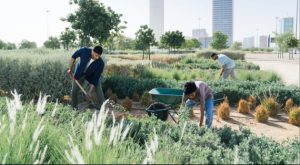
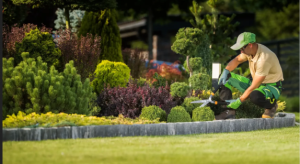
They develop tailored maintenance plans for villas, commercial complexes, public parks, resorts, and institutional campuses, ensuring that every softscape component receives climate-appropriate care. In softscape landscaping installation Riyadh, professional services are particularly beneficial because of rapid urban development and large-scale residential communities that require ongoing landscape support. Professional teams conduct routine inspections, adjust irrigation programs, manage fertilization schedules, perform pruning and replanting, monitor plant health, and recommend upgrades such as smart irrigation or improved shading systems.
They also provide cost forecasting and life-cycle maintenance planning, helping property owners avoid sudden replacement expenses caused by neglect or incorrect care. Another significant benefit is access to specialized equipment, from moisture sensors to aeration tools, which improves maintenance efficiency. Professional service providers can additionally recommend plant substitutions when certain species consistently underperform in specific microclimates.
Their role extends beyond aesthetics to environmental stewardship, water conservation, and long-term sustainability. By engaging qualified experts rather than relying solely on ad-hoc maintenance, property owners protect their investment in landscaping and ensure that installations continue to deliver visual, functional, and ecological value. Ultimately, professional softscape maintenance transforms landscapes from temporary green additions into enduring urban assets capable of thriving within Saudi Arabia’s demanding weather conditions.
Lawn Care, Groundcovers, and Turf Management in Extreme Heat
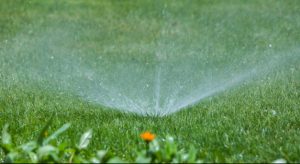
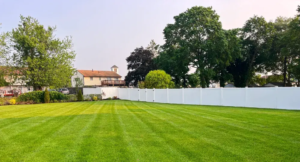
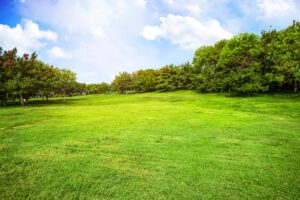
Lawns are among the most demanding components of softscape in arid regions, and managing them under Saudi Arabia’s climatic conditions requires disciplined, informed maintenance. Natural turf species must be carefully selected to withstand heat, salinity, and low humidity. Bermuda grass and Paspalum are typically preferred because of their drought tolerance and rapid recovery capacity.
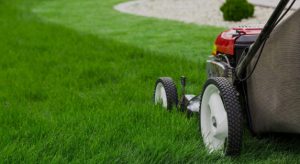
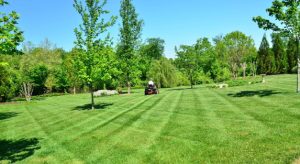
During softscape landscaping installation Saudi Arabia, turf areas should never be treated merely as decorative additions; they must be supported through soil preparation, aeration, and appropriate irrigation planning. Mowing height is a crucial maintenance variable. Cutting grass too short exposes the soil to direct sunlight, increases evaporation, and weakens roots. Slightly higher mowing heights provide shade to the soil surface and protect the turf from heat stress. Aeration, performed periodically, allows air and water to penetrate compacted soil, encouraging deeper root growth that is essential in extreme temperatures.
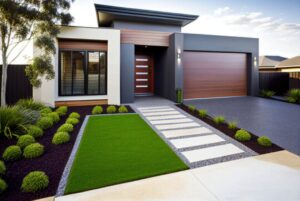
In softscape landscaping installation Riyadh, where water conservation is a priority, many property owners now combine smaller natural lawn sections with groundcovers or artificial turf to reduce irrigation demand while still maintaining greenery. Groundcovers such as lantana, carissa, or low-growing succulents are excellent alternatives because they spread rapidly, prevent soil erosion, and require minimal maintenance. Fertilization must be managed carefully; applying high-nitrogen fertilizers during peak summer heat forces soft tissue growth that is vulnerable to scorching.
Instead, slow-release or organic fertilizers during cooler seasons support steady development. Effective turf management also includes edging, weed control, and monitoring for pests such as grubs or fungal infections. Smart irrigation systems that provide deep, infrequent watering encourage strong roots and reduce total water consumption. When lawns and groundcovers are maintained systematically rather than reactively, they retain color, density, and vigor throughout the year, even under Saudi Arabia’s demanding environmental conditions.
Role of Mulching, Organic Matter, and Water Retention Techniques
Water conservation is a strategic priority across Saudi Arabia, and softscape maintenance must align with this environmental imperative. Techniques that improve soil moisture retention not only protect plants during heat waves but also support national sustainability goals. Mulching is the most effective and accessible of these techniques. Organic mulch—such as shredded bark, palm fronds, or compost—forms a protective layer over the soil, shielding it from direct sunlight and reducing evaporation.
This layer keeps root zones cooler, stabilizes soil structure, and prevents rapid moisture loss. For properties undergoing softscape landscaping installation Saudi Arabia, mulching immediately after planting significantly increases establishment success rates. It also minimizes weed growth, which otherwise competes with plants for water and nutrients. In softscape landscaping installation Riyadh, where daytime heat peaks are extreme, mulch also protects delicate roots from sudden temperature fluctuations. Complementary water retention methods include the incorporation of hydrogel crystals or water-absorbing polymers into planting beds, which store water and release it gradually to roots.
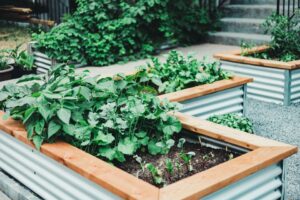
Organic matter, when continuously added to soil, increases sponge-like capacity, enabling soils to hold water instead of letting it drain rapidly through sandy profiles. Raised beds with amended soil mixtures perform better than untreated native soils because they offer improved structure and drainage balance. Windbreak hedges or fencing additionally reduce evaporation by slowing hot, dry winds that draw moisture from exposed surfaces. Even simple techniques such as grouping plants with similar watering needs into irrigation zones minimize waste and protect sensitive species.
When water retention strategies are implemented comprehensively, they reduce irrigation frequency, enhance drought tolerance, and support healthier microbial activity within soil. Such approaches transform maintenance from repetitive watering routines into a scientifically informed water-management system that ensures landscape resilience while conserving valuable resources across Saudi Arabia’s arid environment.
Sustainable Softscape Practices and Environmental Stewardship
Sustainability is no longer an optional design preference; it is a core operational principle guiding landscaping across the Kingdom. Softscape systems that are poorly designed demand constant water, repeated replanting, and heavy chemical inputs, all of which conflict with long-term environmental objectives. Sustainable approaches integrate plant ecology, hydrology, and resource optimization from the outset of softscape landscaping installation in Saudi Arabia.
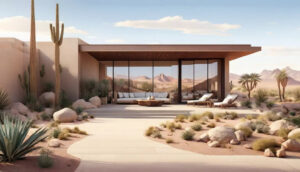
This begins with native or adaptive plant selection, which inherently reduces irrigation and fertilizer requirements. Xeriscaping principles—using drought-tolerant species, strategic zoning, efficient irrigation, and mulching—are especially well-suited to Saudi climates. In softscape landscaping installation Riyadh, sustainable design also contributes to urban heat-island mitigation by increasing vegetative cover that shades hard surfaces and cools surrounding air. Organic fertilizers and soil conditioners improve long-term soil health without causing chemical buildup or runoff.
Recycling green waste into compost closes the nutrient cycle and reduces disposal volumes. Water harvested from air-conditioning condensate or graywater systems can be reused for irrigation within regulatory guidelines, further minimizing potable water use. Sustainable maintenance also emphasizes reducing turf areas in favor of shrubs, groundcovers, and native grasses with lower water demand. Another dimension of sustainability is biodiversity support. Landscapes incorporating flowering shrubs and native trees provide habitat for birds and beneficial insects, strengthening ecological balance and natural pest control.
Lighting design should avoid excessive glare and heat while protecting nocturnal wildlife. Educational signage in public landscapes can inform residents about water-saving techniques and plant species selection. When sustainability principles guide both installation and maintenance, softscape landscapes evolve into living systems that support climate adaptation, reduce operational costs, and enhance community wellbeing. They cease to be merely decorative components and instead become active contributors to Saudi Arabia’s broader environmental stewardship and green development vision.
Long-Term Maintenance Planning and Budgeting for Softscape Landscapes
Softscape systems are living assets that evolve over time, and their success depends on structured long-term maintenance planning rather than short-term aesthetic fixes. Many landscapes deteriorate not because of climate alone but because maintenance is unplanned, reactive, or underfunded. A comprehensive maintenance plan aligns schedules, resources, and budgets with the growth cycles and environmental needs of plants.
For softscape landscaping installation Saudi Arabia, planning should begin at the design phase, with clear definitions of irrigation requirements, pruning intervals, fertilization programs, and replacement strategies. Annual maintenance budgets must account for consumables such as mulch, fertilizers, pest-control inputs, irrigation repairs, and seasonal plantings. In softscape landscaping installation Riyadh, where large residential compounds and commercial developments are common, maintenance contracts with professional service providers ensure continuity and accountability. Maintenance planning also includes asset mapping—documenting plant species, installation dates, irrigation zones, and soil conditions—so that decisions are data-driven rather than based on guesswork.
Preventive maintenance is always more cost-effective than corrective measures; for example, routinely flushing drip lines is far cheaper than replacing dead plants lost due to irrigation failure. Long-term planning must also anticipate growth; trees expand, root systems spread, and shading patterns change over time. Periodic redesign or thinning may be necessary to preserve airflow and prevent overcrowding. Risk management is another important dimension; weak or poorly pruned trees near structures may pose hazards during windstorms, so structural pruning and stability inspections are essential.
Well-planned maintenance also preserves property value. Landscapes enhance real-estate aesthetics, microclimate comfort, and user experience, making them economic as well as environmental assets. By adopting disciplined long-term planning and budgeting practices, softscape environments become durable, high-performing systems rather than fragile installations constantly fighting against Saudi Arabia’s climate.
Conclusion: Sustaining Vibrant Softscapes in Harsh Saudi Weather
Maintaining healthy softscapes in Saudi Arabia’s demanding climate requires consistency, informed planning, and adaptive practices. Extreme heat, low rainfall, saline soils, and seasonal dust all place stress on lawns, trees, shrubs, and groundcovers. However, with structured maintenance, the landscapes developed through softscape landscaping installation Saudi Arabia and softscape landscaping installation Riyadh can thrive year-round, retaining both beauty and functionality.
The key is to integrate climate-appropriate species selection with disciplined irrigation scheduling, proper soil management, mulching, pruning, and ongoing health monitoring. Each component works together as a system; neglecting one aspect often leads to reduced plant vigor and increased costs in replacements or repairs.
Sustainable maintenance is not only aesthetic but also economic and environmental. Water-efficient irrigation, drought-tolerant native or adapted species, and organic soil amendments reduce operational burden and resource consumption. In cities such as Riyadh, Jeddah, or Dammam, professional maintenance aligned with the principles used during softscape landscaping installation enables residential compounds, commercial properties, parks, and villas to withstand prolonged summers without significant decline in plant quality. Proactive care—such as seasonal inspections for pests, calibration of irrigation systems, and adjustment of fertilization schedules—prevents deterioration before it begins.
Ultimately, softscape maintenance in Saudi Arabia is an ongoing commitment rather than a one-time activity. Landscapes respond to weather variations, human use, and soil changes; therefore, periodic assessment and timely intervention are critical. Property owners and facility managers benefit from partnering with experienced softscape specialists who understand local microclimates, native species behavior, and best-practice horticultural standards.
By applying the maintenance strategies outlined in this article, softscapes can remain lush, resilient, and visually compelling despite harsh conditions. Thoughtfully managed greenery enhances liveability, supports outdoor comfort, and elevates the value of developments—affirming the long-term return on investment in softscape landscaping installation Saudi Arabia and softscape landscaping installation Riyadh.
- Fountain and Waterfalls
- Gardening
- hardscape
- Irrigation system
- Landscape
- Lawn
- Nursery
- Palm Tree
- Plantation and Maintenance
- Private Villa Landscape Work
- softscape
- Tree Transplanting
- Washingtonian Tree
Categories
Latest Post
 .
.












- Fountain and Waterfalls
- Gardening
- hardscape
- Irrigation system
- Landscape
- Lawn
- Nursery
- Palm Tree
- Plantation and Maintenance
- Private Villa Landscape Work
- softscape
- Tree Transplanting
- Washingtonian Tree