 +966 50 444 4872


The Pros and Cons of Having Palm Trees in Your Landscape
28 November, 2025
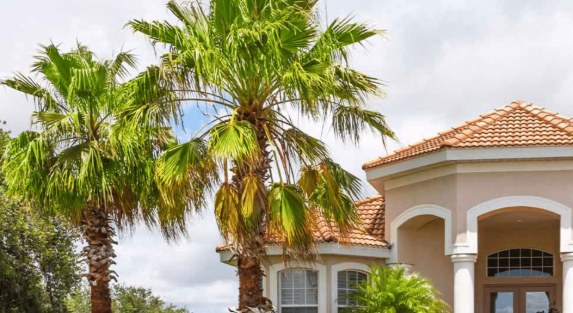
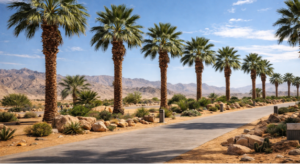
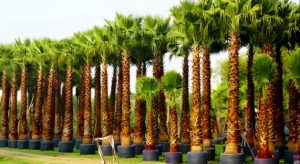
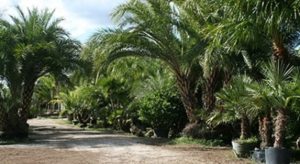
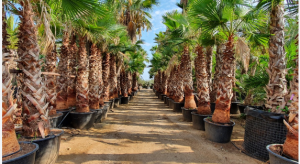
Palm trees have become one of the most iconic landscaping choices across Saudi Arabia, especially in cities like Riyadh, Jeddah, Dammam, and Al Khobar. Their tall, exotic presence instantly elevates the appearance of residential homes, parks, hotels, malls, and large commercial developments. Whether you're designing a luxury villa or planning a government urban development project, palm trees can add value, beauty, and cultural relevance. However, before investing in them, understanding both their benefits and potential drawbacks is essential. Choosing the right species and sourcing them from a reputable Palm tree supplier in Saudi Arabia or a trusted Palm tree supplier in Riyadh ensures healthy growth, proper installation, and long-term results.
Below, we take a detailed look at the major advantages and disadvantages of using palm trees in landscaping.
1: The Pros of Having Palm Trees in Your Landscape
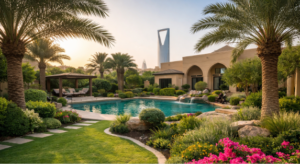
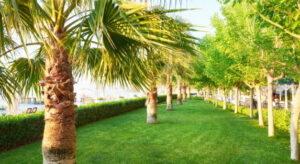
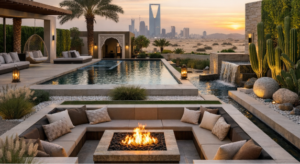
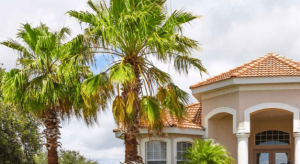
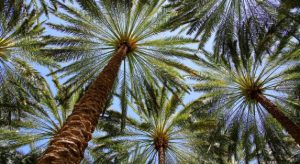
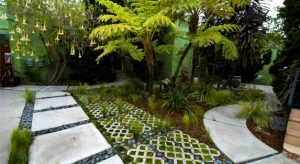
Palm trees are well-loved for multiple reasons, and one of the most significant is their visual elegance. Unlike traditional shade trees, palms offer a unique architectural shape that adds sophistication to any outdoor space. Their tall trunks and lush fronds create a tropical and luxurious ambiance that complements modern Saudi landscaping trends. Many premium resorts, private estates, and public promenades rely on palm trees as the main visual statement because they provide immediate beauty and structure.
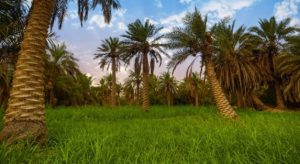
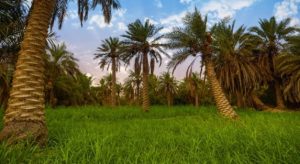
Another key advantage is their adaptability to the Saudi climate. Since Saudi Arabia experiences extreme heat, limited rainfall, and sandy soil conditions, not all tree species survive well. Palm trees, however, thrive naturally in desert-like environments, making them a practical choice—especially when purchased from an experienced Palm tree nursery in Saudi Arabia that grows species suited to local conditions.
Beyond aesthetics and climate compatibility, palm trees are also appreciated for being low-maintenance. Once established, many varieties require minimal watering compared to other large plants. Their strong root structure also makes them resistant to storms, sandwinds, and long dry periods—ideal for regions like Riyadh where weather fluctuations are common.
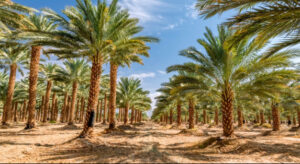
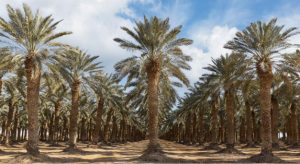
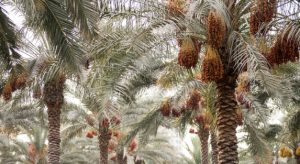
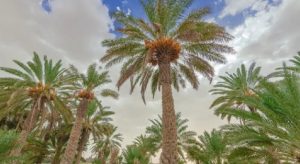
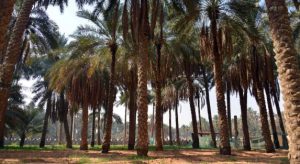
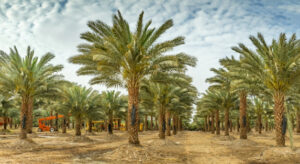
Palm trees also provide long-term value. They can live for decades, and certain species, like date palms, contribute not just beauty but also agricultural importance. Date palms produce fruit and are embedded deeply in Saudi heritage, making them both symbolic and functional.
Finally, palm trees are highly versatile. Whether you need a statement tree for a driveway, multiple palms for boulevard landscaping, or fruit-bearing species for farms, there are numerous varieties to choose from.
2: The Cons of Having Palm Trees in Your Landscape
While palm trees offer many benefits, they also come with certain limitations that homeowners, architects, and landscapers must consider. One of the primary concerns is the initial cost. Mature palms, especially large ornamental varieties or date palms with fruiting capability, can be expensive. This price increases further when transportation, planting equipment, and skilled labor are factored in. Working with a professional and transparent Palm tree supplier in Riyadh or a verified grower in Saudi Arabia ensures that buyers receive fair pricing and high-quality plants.
Another potential drawback is the slow growth rate of certain species. If the goal is to create shade or visual impact quickly, waiting years for a palm to reach full height may not be ideal. In such cases, mature trees must be purchased, which leads back to the cost factor.
Additionally, palm trees require specific soil and nutrition management. While they are hardy, they do require proper planting beds, well-draining soil, and occasional fertilization to prevent nutrient deficiencies like yellowing leaves or stunted growth. Failure to prepare the ground correctly can lead to poor long-term performance, making expert planting guidance important.
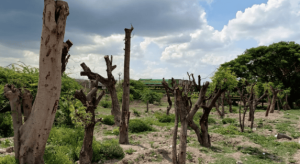
Pests and diseases can also affect palms. The most notable issue in the region is the Red Palm Weevil, a pest capable of destroying palms if preventive measures are ignored. Regular inspections and treatment plans are necessary to protect the investment—something professional palm tree maintenance providers can support.
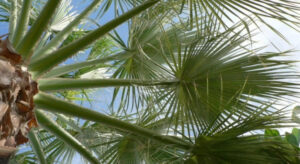
Lastly, palm trees provide limited shade due to their leaf structure. Unlike broadleaf trees, they do not cast wide shade coverage, which may not meet the needs of homeowners seeking cool outdoor seating areas.
Despite these challenges, palm trees remain a popular choice due to their resilience and beauty. With the right guidance, supplier support, and maintenance plan, most disadvantages can be effectively managed.
3: Challenges of Growing Palm Trees in Landscapes
While palm trees are admired for their beauty and adaptability, they also come with several challenges that homeowners, landscapers, and property developers should consider before planting them. Understanding these challenges ensures proper planning, maintenance, and long-term landscape success. The climate of Saudi Arabia, particularly regions like Riyadh, Jeddah, and Dammam, makes growing palm trees relatively feasible, but certain varieties may require specialized care. This is why consulting a professional Palm tree supplier in Saudi Arabia before making an investment becomes essential.
One of the biggest concerns with palm trees is maintenance. Although they do not require frequent watering after establishment, some species demand regular trimming to remove dry leaves, hanging fronds, diseased branches, or pest-infested parts. Left unattended, these dead fronds can become fire hazards or create unwanted debris. Furthermore, pests such as red palm weevils can severely damage palm trees if not controlled early. Reliable Palm tree suppliers in Riyadh often guide customers on preventive pest treatments and recommended maintenance schedules.
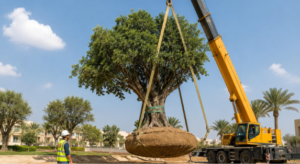
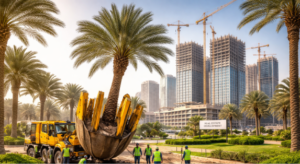
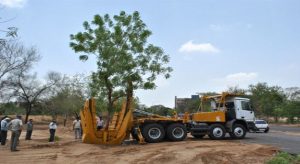
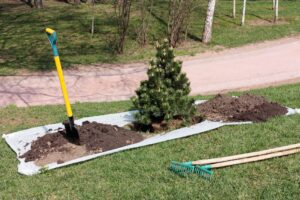
Palm trees also take time to mature. While some fast-growing varieties adapt quickly, others may take several years to reach their full height and visual impact. Additionally, planting large or adult palms requires specialized equipment and expertise to ensure proper root placement, transplant survival, and soil preparation. A professional supplier or landscaping service is necessary to avoid costly mistakes.
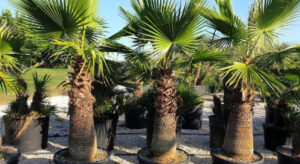
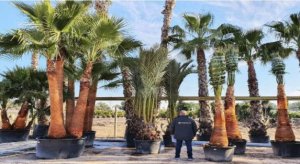
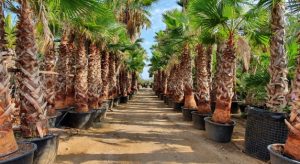
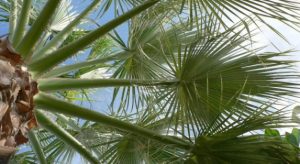
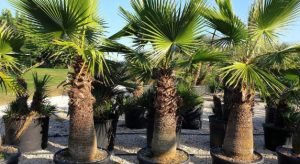
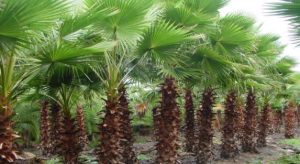
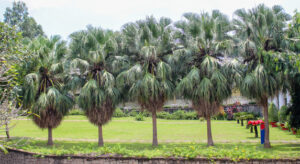
Finally, environmental compatibility matters. Not all palm trees tolerate extreme cold or fluctuating humidity. Riyadh’s desert climate is ideal for hardy species like Date Palms, Washingtonia, and Canary palms, but more delicate varieties may struggle without additional care. Understanding these challenges and addressing them during selection ensures a healthy, long-lasting, visually appealing landscape.
4: Tips for Choosing the Right Palm Tree Supplier in Saudi Arabia
Selecting the right palm tree supplier in Saudi Arabia is just as important as choosing the right species. A trusted supplier helps you avoid low-quality trees, ensures proper root development, and guides you through maintenance, installation, and aftercare. Whether you’re landscaping a villa, resort, government space, or commercial development, the right supplier simplifies the entire process from selection to transplantation.
First, evaluate the supplier’s experience. A reputable Palm tree supplier in Riyadh or neighboring cities will have years of expertise and will be able to recommend varieties suited to your soil type, climate, and design goals. Suppliers with local nursery operations also guarantee that the trees are well-conditioned to Saudi Arabia’s environment instead of being imported from incompatible climates.
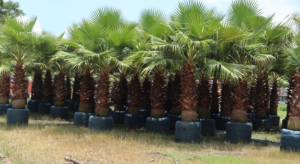
Second, check the tree quality. Healthy palm trees should have strong roots, vibrant green fronds, and no signs of pest infestation or rot. Request photographs, visit the nursery, or ask for certificates of origin when applicable, especially for imported ornamental palms.
Third, assess the services included. A professional supplier should provide more than just trees—they should offer transplanting assistance, soil preparation guidance, irrigation recommendations, and aftercare support. Some suppliers also provide warranties or scheduled maintenance plans, which help ensure long-term survival.
Finally, compare pricing but avoid choosing based on cost alone. A cheap price may indicate poor quality, improper root systems, or unhealthy palms that may not survive transplantation. A trusted and certified Palm tree nursery in Saudi Arabia will focus on long-term results rather than short-term sales.
When you follow these guidelines, you’ll be well-equipped to choose a supplier who delivers value, reliability, and long-term landscape success.
Conclusion
Palm trees are an excellent way to enhance landscaping, especially in regions like Saudi Arabia where they thrive naturally. They offer beauty, shade, prestige, and environmental resilience—making them a popular choice for homes, commercial spaces, and public developments. However, understanding their pros and cons and choosing the right Palm tree supplier in Saudi Arabia or Palm tree supplier in Riyadh ensures a smooth experience and a thriving landscape.
- Fountain and Waterfalls
- Gardening
- hardscape
- Irrigation system
- Landscape
- Lawn
- Nursery
- Palm Tree
- Plantation and Maintenance
- softscape
- Tree Transplanting
- Washingtonian Tree
Categories
Latest Post
 .
.
















- Fountain and Waterfalls
- Gardening
- hardscape
- Irrigation system
- Landscape
- Lawn
- Nursery
- Palm Tree
- Plantation and Maintenance
- softscape
- Tree Transplanting
- Washingtonian Tree