 +966 50 444 4872


How to Maintain Softscape Landscaping in Extreme Weather Conditions
26 December, 2025
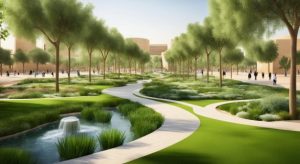
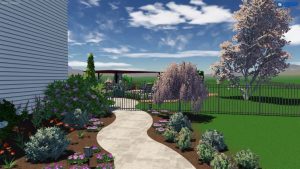
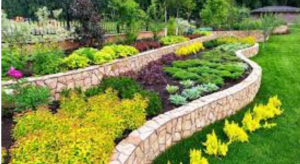
Extreme weather conditions pose a serious challenge to landscape sustainability, especially in arid regions like Saudi Arabia. High temperatures, water scarcity, saline soil, and sudden sandstorms can quickly damage poorly maintained landscapes. This is where softscape landscaping installation in Saudi Arabia plays a critical role. When designed and maintained correctly, softscape elements such as plants, trees, shrubs, soil, and turf can thrive even under harsh climatic stress.
This article explains practical, expert-backed strategies to maintain softscape landscaping effectively in extreme weather conditions common across Saudi Arabia.
Understanding Extreme Weather Conditions in Saudi Arabia
Saudi Arabia’s climate presents some of the most challenging conditions for landscape sustainability. Prolonged heatwaves, low annual rainfall, intense solar radiation, saline soil composition, and frequent sandstorms significantly affect plant health. These environmental factors make the maintenance of green spaces particularly demanding and reinforce the importance of a well-planned softscape landscaping installation in Saudi Arabia. Without climate-adapted strategies, even visually appealing landscapes can deteriorate rapidly.
Extreme temperatures, often exceeding 45°C during summer months, cause excessive evaporation and plant dehydration. At the same time, limited freshwater availability puts pressure on irrigation systems, requiring precise water management. Wind erosion and airborne sand further damage foliage, reduce soil fertility, and stress root systems. Coastal regions add another layer of complexity due to higher humidity and soil salinity.
Understanding these climatic realities is critical for long-term softscape success. Maintenance practices must be proactive rather than reactive, focusing on plant resilience, soil protection, and water efficiency. A professionally executed softscape landscaping installation Saudi Arabia takes these challenges into account during the planning stage, ensuring that plants are not only visually appealing but also capable of surviving harsh weather conditions.
By aligning maintenance routines with seasonal weather patterns, property owners and facility managers can reduce plant loss, lower operational costs, and extend the lifespan of their landscapes. Ultimately, climate awareness forms the foundation of sustainable softscape landscaping in Saudi Arabia.
Choosing Climate-Resilient Plants for Long-Term Sustainability
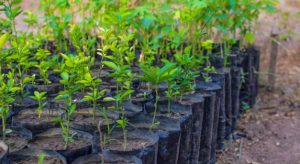
Plant selection plays a decisive role in maintaining softscape landscaping under extreme weather conditions. In Saudi Arabia, the use of climate-resilient and native plant species is not a preference but a necessity. These plants are naturally adapted to high temperatures, limited water availability, and poor soil quality, making them ideal for softscape landscaping installation in Saudi Arabia.
Drought-tolerant plants require significantly less irrigation and are better equipped to withstand prolonged dry spells. Species with deep root systems access moisture from lower soil layers, improving survival rates during extreme heat. Additionally, salt-tolerant plants perform better in regions with saline soil, particularly in coastal areas. Native plants also reduce maintenance requirements, as they are less susceptible to pests and diseases.
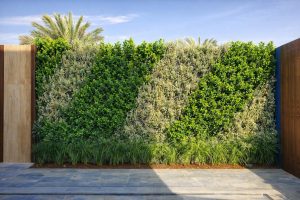
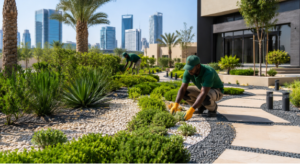
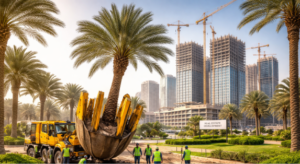
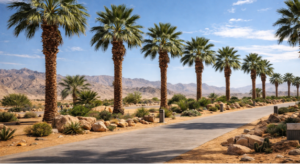
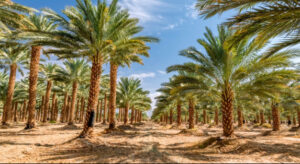
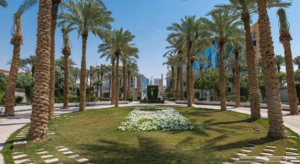
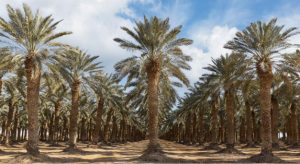
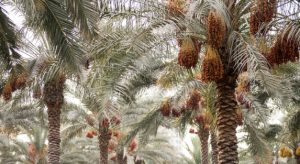
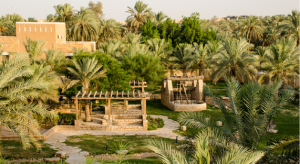
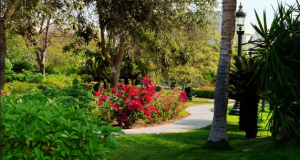
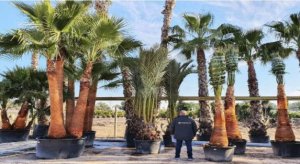
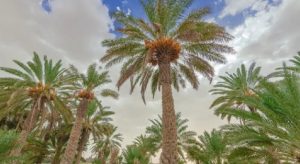
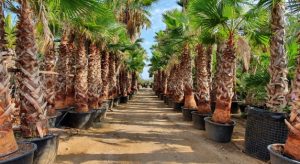
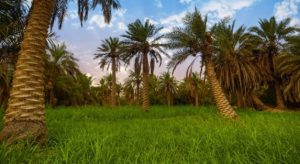
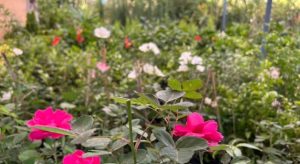
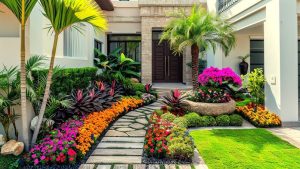
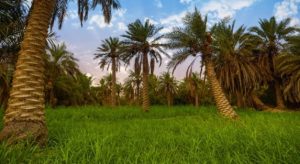
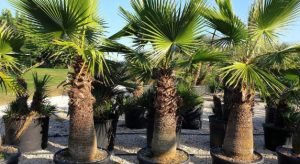
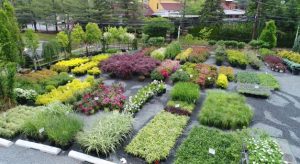
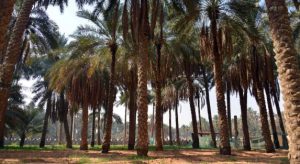
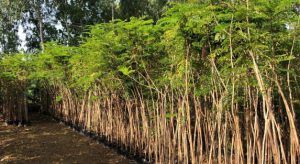
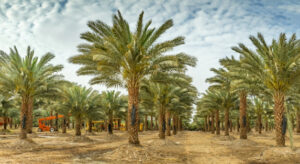
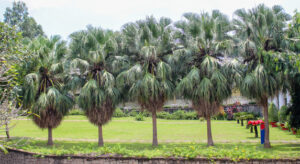
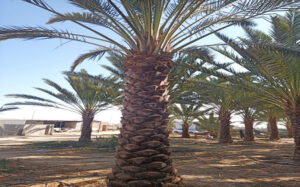
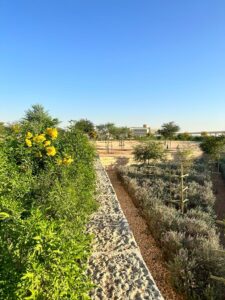
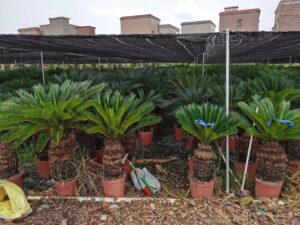
Commonly used species in professional softscape landscaping installation Saudi Arabia include date palms, acacia trees, desert grasses, bougainvillea, oleander, and ornamental shrubs designed for arid climates. These plants not only survive harsh conditions but also enhance the aesthetic value of residential, commercial, and public landscapes.
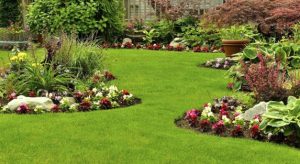
Proper plant spacing is equally important. Overcrowding increases competition for water and nutrients, leading to stress and poor growth. Strategic placement ensures adequate airflow, reduces disease risk, and improves overall plant health. When combined with expert planning, climate-resilient plant selection significantly improves the durability and visual appeal of softscape landscapes across Saudi Arabia.
Smart Irrigation Practices for Extreme Heat Conditions
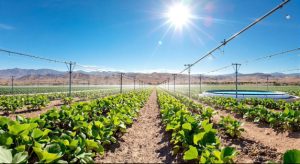
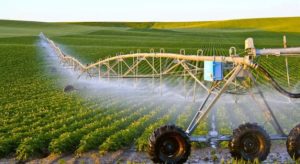
Water management is the most critical factor in maintaining softscape landscapes in Saudi Arabia. Due to water scarcity and extreme heat, inefficient irrigation can quickly damage plant systems. A modern softscape landscaping installation Saudi Arabia relies heavily on advanced irrigation strategies to ensure optimal hydration without waste.
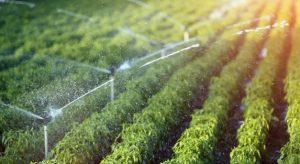
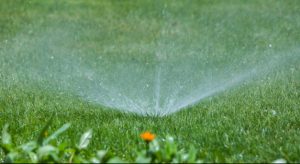
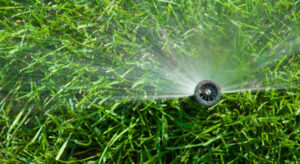
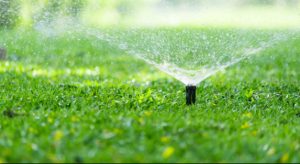
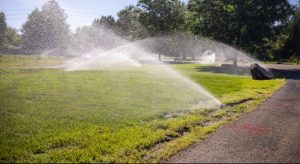
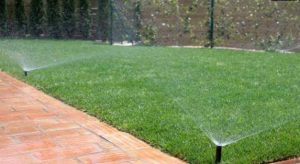
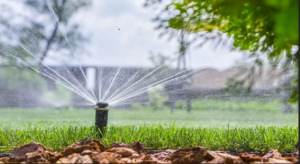
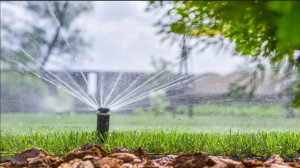
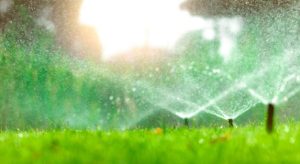
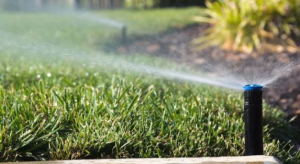
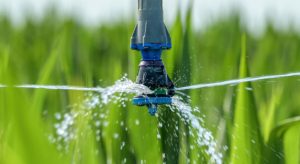
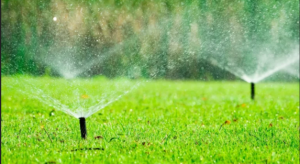
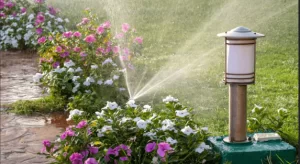
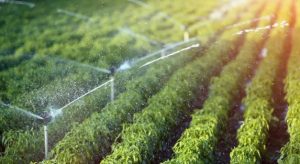
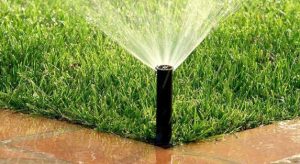
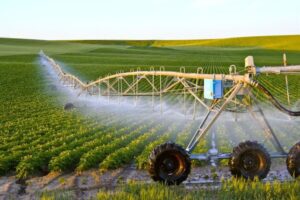
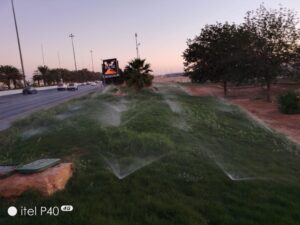
Drip irrigation systems are widely regarded as the most efficient method for softscape maintenance. They deliver water directly to plant roots, minimizing evaporation and runoff. Automated irrigation systems equipped with moisture sensors and timers further enhance efficiency by adjusting watering schedules based on real-time soil conditions and weather patterns.
Timing also plays a vital role. Watering during early morning or late evening hours reduces evaporation losses and allows plants to absorb moisture effectively. Seasonal adjustments are essential, as water requirements vary between summer and winter months. Overwatering during cooler periods can cause root rot, while underwatering during heatwaves leads to plant stress.
Regular inspection of irrigation systems ensures uniform water distribution and prevents leaks or blockages. Many softscape landscaping services in Saudi Arabia include irrigation audits as part of routine maintenance. By adopting smart irrigation practices, landscapes remain healthy, water consumption is reduced, and sustainability goals are achieved even under extreme climatic conditions.
Soil Health Management and Mulching Techniques
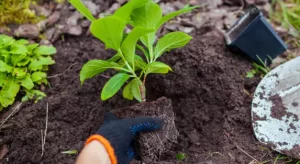
Healthy soil is the backbone of any successful softscape landscape. In Saudi Arabia, sandy and saline soils often lack essential nutrients and moisture-retention capacity. Proper soil management is therefore a fundamental component of softscape landscaping installation in Saudi Arabia and ongoing maintenance.
Improving soil structure through organic compost enhances nutrient availability and water retention. Compost also promotes beneficial microbial activity, which strengthens root systems and improves plant resilience. Regular soil testing helps identify nutrient deficiencies and salinity levels, allowing for targeted soil amendments.
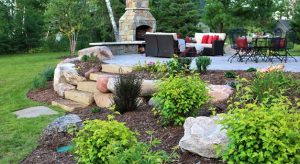
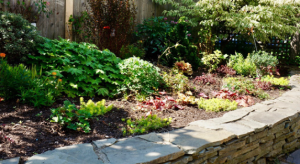
Mulching is another highly effective technique for protecting soil and plant roots from extreme heat. Organic mulch materials such as wood chips, bark, or composted leaves help regulate soil temperature, reduce evaporation, and suppress weed growth. Mulch also prevents soil erosion caused by wind and sandstorms, which are common in many regions of Saudi Arabia.
A well-maintained soil system reduces irrigation demand and improves plant survival rates. Professional softscape landscaping maintenance services in Saudi Arabia often emphasize soil care as a long-term investment rather than a one-time task. By prioritizing soil health and mulching, landscapes remain stable, fertile, and visually appealing despite extreme weather conditions.
Protecting Softscape Landscapes from Wind, Sandstorms, and Heat Stress
Environmental protection measures are essential for preserving softscape landscapes in Saudi Arabia. Strong winds, sandstorms, and excessive heat can cause physical damage to plants, strip soil nutrients, and disrupt irrigation systems. Effective protection strategies significantly enhance the longevity of softscape landscaping installation Saudi Arabia projects.
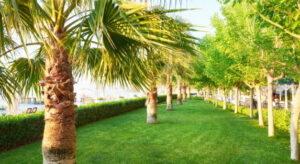
Windbreaks such as hedges, trees, or decorative fencing reduce wind velocity and protect vulnerable plants. Ground covers stabilize soil and prevent erosion during sandstorms. Strategic plant grouping minimizes exposure and creates microclimates that shield delicate species from direct heat and wind.
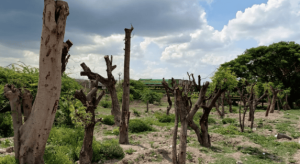
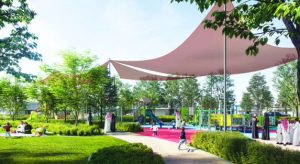
Shade structures and tree canopies also play an important role in temperature regulation. They reduce surface heat and protect soil moisture levels. Regular pruning improves plant structure and reduces wind resistance, minimizing breakage during storms.
Proactive maintenance, combined with professional expertise, ensures that softscape landscapes remain functional and attractive throughout the year. When protection measures are integrated into the design and maintenance plan, softscape landscaping installation in Saudi Arabia can withstand even the most extreme environmental conditions.
Seasonal Pruning and Plant Care for Climate Adaptation
Seasonal pruning and routine plant care are essential maintenance practices for sustaining healthy softscape landscapes in Saudi Arabia’s extreme climate. Improper pruning, especially during peak summer heat, can weaken plants, expose them to sunburn, and slow recovery. A well-planned softscape landscaping installation in Saudi Arabia includes a long-term pruning schedule aligned with seasonal temperature variations.
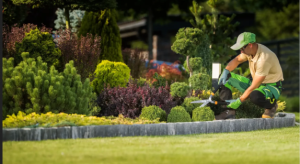
Pruning during cooler months, such as late winter or early spring, allows plants to recover before the onset of intense heat. Removing dead, diseased, or damaged branches improves airflow and reduces the risk of pest infestations. Proper shaping also strengthens plant structure, enabling trees and shrubs to better withstand strong winds and sandstorms.
Fertilization and nutrient management should be synchronized with pruning cycles. Over-fertilizing during extreme heat can stress plants, while under-fertilizing reduces growth and resilience. Controlled-release fertilizers and organic soil enhancers are preferred for professional softscape landscaping installation Saudi Arabia, as they provide steady nourishment without overwhelming plant systems.
Routine plant inspections help identify early signs of heat stress, such as leaf scorch, discoloration, or wilting. Prompt corrective action prevents long-term damage. Consistent seasonal care ensures that plants remain robust, visually appealing, and capable of adapting to Saudi Arabia’s demanding environmental conditions.
Regular Inspection and Preventive Maintenance Strategies
Preventive maintenance is a cornerstone of sustainable softscape landscaping. Rather than reacting to visible damage, proactive inspections help identify potential issues before they escalate. This approach is particularly important for softscape landscaping installation Saudi Arabia, where environmental stressors accelerate plant deterioration.
Scheduled inspections should include assessment of plant health, irrigation performance, soil condition, and pest activity. Early detection of irrigation leaks or blockages prevents water wastage and uneven plant hydration. Monitoring soil moisture and salinity levels ensures optimal growing conditions and reduces the risk of root damage.
Preventive maintenance also involves replacing weak or damaged plants promptly. Delayed replacement disrupts landscape uniformity and can spread disease. Professional softscape landscaping maintenance services in Saudi Arabia often maintain detailed maintenance logs to track plant performance and seasonal adjustments.
Regular maintenance reduces long-term costs by minimizing plant loss and extending landscape lifespan. It also ensures that landscapes remain visually consistent and compliant with sustainability goals. Preventive strategies transform softscape landscaping from a short-term aesthetic feature into a durable, long-term asset.
Role of Professional Expertise in Extreme Climate Landscaping
Maintaining softscape landscapes in extreme weather conditions requires specialized expertise. Professional contractors understand regional climate patterns, soil behavior, plant physiology, and water management techniques unique to Saudi Arabia. This knowledge is critical for the success of softscape landscaping installation in Saudi Arabia.
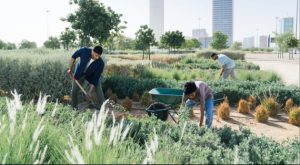
Professionals conduct thorough site assessments, select appropriate plant species, design efficient irrigation systems, and implement climate-adaptive maintenance plans. Their experience allows them to anticipate seasonal challenges and adjust maintenance schedules accordingly. This proactive approach significantly reduces plant stress and replacement costs.
Additionally, professional landscaping companies stay updated with local regulations, environmental standards, and sustainable landscaping practices. This ensures compliance and enhances long-term project viability. Investing in professional expertise delivers higher aesthetic quality, improved durability, and long-term cost efficiency.
Conclusion: Ensuring Long-Term Success of Softscape Landscaping
Maintaining softscape landscaping in Saudi Arabia’s extreme weather conditions requires a strategic, climate-focused approach. From resilient plant selection and efficient irrigation to soil management, protective measures, and professional maintenance, every element plays a critical role. A well-executed softscape landscaping installation Saudi Arabia is not just about visual appeal—it is about sustainability, durability, and environmental responsibility.
By adopting proactive maintenance strategies and leveraging professional expertise, property owners can ensure their landscapes remain vibrant, functional, and resilient year-round.
- Fountain and Waterfalls
- Gardening
- hardscape
- Irrigation system
- Landscape
- Lawn
- Nursery
- Palm Tree
- Plantation and Maintenance
- softscape
- Tree Transplanting
- Washingtonian Tree
Categories
Latest Post
 .
.















- Fountain and Waterfalls
- Gardening
- hardscape
- Irrigation system
- Landscape
- Lawn
- Nursery
- Palm Tree
- Plantation and Maintenance
- softscape
- Tree Transplanting
- Washingtonian Tree