 +966 50 444 4872


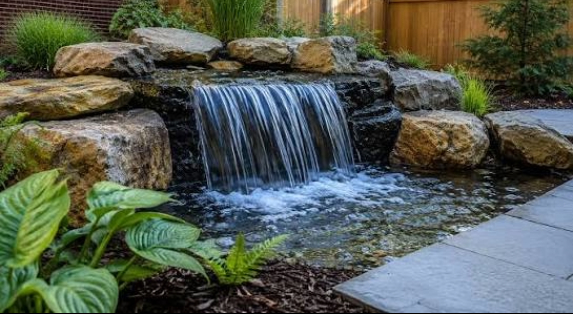
How Fountain and Waterfalls Create a Relaxing Outdoor Environment
23 September, 2026
A well-designed outdoor space can be more than just an attractive part of a property. It can become a place where people slow down, enjoy nature, and take a break from the demands of everyday life. One of the simplest ways to create this type of atmosphere is by incorporating water features such as Fountain and Waterfalls.
The gentle movement and sound of flowing water can add a sense of tranquility to gardens, courtyards, patios, resorts, commercial landscapes, and other outdoor environments. When thoughtfully designed and professionally installed, fountains and waterfalls can become a natural focal point while complementing the surrounding plants, hardscape, and architecture.
Why Water Features Make Outdoor Spaces Feel More Relaxing
Water has long been incorporated into landscape and garden design because of its visual and sensory qualities. A flowing waterfall or bubbling fountain can introduce movement into an otherwise static landscape.
The sound of moving water can also help create a softer outdoor atmosphere by providing consistent background sound. Combined with greenery, comfortable seating, natural materials, and appropriate lighting, a water feature can turn an ordinary landscape into a more inviting retreat.
This is one reason landscape fountains and waterfalls are popular in both residential and commercial landscape projects.
1. The Sound of Flowing Water Creates a Calmer Atmosphere
One of the most noticeable benefits of a fountain or waterfall is its sound.
The gentle movement of water can provide a pleasant background sound in an outdoor setting. In a busy environment, it may help make surrounding sounds feel less prominent, creating a more peaceful atmosphere.
For residential gardens, this can make outdoor areas more enjoyable for reading, relaxing, or spending time with family. In hospitality environments, the sound of water can contribute to a welcoming experience for guests.
The key is choosing the appropriate water flow and design. A small garden fountain and a large cascading waterfall will produce very different sound levels and visual effects.
2. Fountain and Waterfalls Add Natural Movement
Landscapes often combine stationary elements such as walls, pathways, plants, patios, and decorative structures. Water introduces movement and helps bring these elements together.
A cascading waterfall can create a dynamic focal point, while a fountain can provide continuous movement within a garden or courtyard.
With the right placement, outdoor fountains and waterfalls can draw attention toward a particular area without overwhelming the overall landscape design.
3. Water Features Can Become a Visual Focal Point
A well-designed water feature naturally attracts attention.
Instead of allowing a garden to appear visually disconnected, a custom fountain or waterfall can provide a central feature around which other landscape elements are arranged.
For example, a landscape designer may position a waterfall alongside natural stone, ornamental plants, lighting, and seating. Similarly, a decorative fountain can be placed near an entrance, courtyard, or central garden area.
This creates a stronger sense of structure while giving visitors an element to notice and enjoy.
4. They Complement Plants and Natural Materials
Water features work particularly well when integrated with natural landscaping.
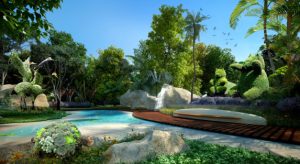
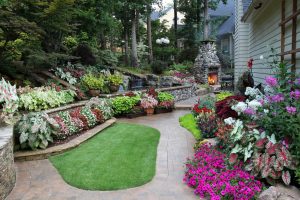
Plants, rocks, stone pathways, wood elements, and water can create a cohesive outdoor environment. The combination can make a landscape feel more connected to nature.
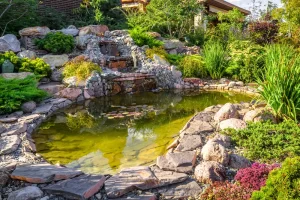
When planning fountain and waterfall landscaping, consider the surrounding vegetation, colors, textures, and architectural style. A natural-looking waterfall may work well with rocks and native plants, while a contemporary fountain may complement modern architecture and structured planting.
The goal is to make the water feature feel like part of the landscape rather than an isolated installation.
5. Fountain and Waterfalls Make Outdoor Seating Areas More Inviting
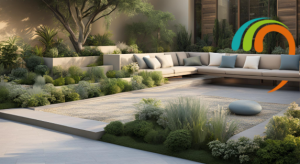
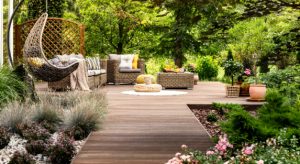
A beautiful seating area becomes even more appealing when it has an attractive view and pleasant surroundings.
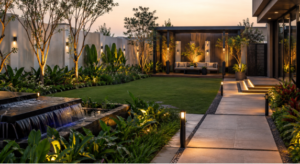
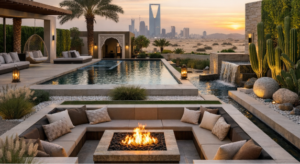
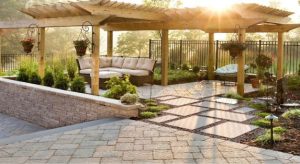
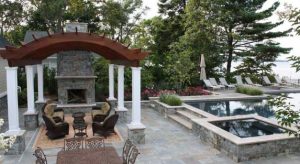
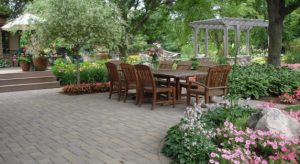
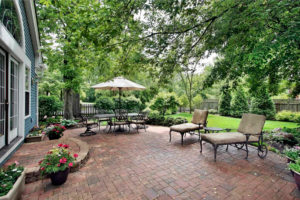
Adding a fountain or waterfall near a patio, garden seating area, pergola, or outdoor lounge can create a destination within the landscape.
Imagine sitting outdoors with greenery surrounding you while listening to the gentle sound of flowing water. Small design choices like these can make people more likely to use and enjoy their outdoor spaces.
For commercial properties, similar concepts can be applied to courtyards, hotel gardens, restaurant patios, office campuses, and reception areas.
6. Lighting Can Enhance the Experience After Dark
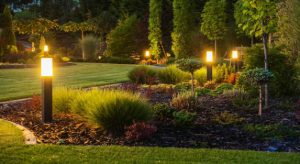
Water features do not have to disappear when the sun goes down. Proper landscape lighting can highlight the movement and texture of water while adding visual interest to the surrounding area.
Underwater lights, accent lighting, and carefully positioned landscape fixtures can emphasize waterfalls, fountains, rocks, and plants.
However, lighting should complement the water feature rather than overpower it. A thoughtful lighting design can create a subtle evening atmosphere while improving visibility around the space.
7. Custom Designs Can Match Different Property Styles
There is no single design for Fountain and Waterfalls.
Depending on the property, water features can range from compact decorative fountains to large custom waterfalls integrated into a complete landscape design.
Popular options include:
- Rock waterfalls
- Cascading waterfalls
- Wall fountains
- Tiered fountains
- Contemporary water features
- Garden fountains
- Courtyard fountains
- Poolside waterfalls
- Custom landscape waterfalls
- Commercial water features
The design can be adapted to the available space, architectural style, budget, and overall landscaping concept.
8. Water Features Can Improve the Character of Commercial Landscapes
Water features are not limited to residential gardens. They can also play an important role in commercial landscaping.
Hotels, resorts, restaurants, corporate offices, shopping centers, healthcare facilities, and community spaces may use fountains and waterfalls to create memorable outdoor environments.
A thoughtfully positioned commercial fountain and waterfall can contribute to the property's visual identity and create a more welcoming atmosphere for visitors.
For businesses, the water feature should be designed around practical considerations such as safety, accessibility, maintenance, water circulation, and operating costs.
9. Professional Design Helps Create the Right Balance
Installing a water feature involves more than selecting an attractive fountain or waterfall.
The feature needs to work with the surrounding landscape. Professionals can consider factors such as:
- Available space
- Water flow
- Pump requirements
- Drainage
- Electrical requirements
- Plant selection
- Lighting
- Safety
- Maintenance access
- Overall landscape design
A poorly positioned water feature can look disconnected or become difficult to maintain. Professional fountain and waterfall installation helps ensure the feature is integrated properly from the beginning.
10. Regular Maintenance Keeps the Water Feature Enjoyable
Even a beautifully designed water feature requires ongoing care.
Leaves, dirt, algae, mineral deposits, and debris can affect water quality and equipment performance. Pumps and circulation systems may also require periodic inspection.
Regular fountain and waterfall maintenance may include cleaning, checking water levels, inspecting pumps, removing debris, managing algae, and maintaining surrounding plants.
Keeping the feature clean and functional ensures that it continues to contribute to the landscape rather than becoming a maintenance problem.
How to Create a Relaxing Water Feature Area
If your goal is to create a genuinely relaxing outdoor environment, consider the entire space rather than focusing only on the water feature.
Combine the fountain or waterfall with:
- Comfortable outdoor seating
- Layered greenery
- Natural stone or other complementary materials
- Soft landscape lighting
- Shaded areas
- Walkways
- Appropriate irrigation
- Low-maintenance plants
The result should feel cohesive, comfortable, and easy to use.
Choose the Right Fountain and Waterfall Design for Your Landscape
The best water feature is not necessarily the largest or most elaborate option. It is the one that fits naturally into the property and supports the purpose of the space.
A small courtyard may benefit from a compact wall fountain, while a large garden may accommodate a cascading waterfall surrounded by rocks and plants. Commercial properties may require custom designs that balance aesthetics with durability and maintenance requirements.
Understanding your space and long-term maintenance needs before installation can help you make a more practical choice.
Create a More Peaceful Outdoor Space
A landscape should be somewhere people want to spend time. Fountain and Waterfalls can add sound, movement, texture, and visual interest while helping transform ordinary outdoor areas into inviting spaces.
From a peaceful backyard garden to a sophisticated commercial landscape, the right water feature can complement your existing design and create a memorable outdoor experience.
With thoughtful planning, professional installation, and regular maintenance, a fountain or waterfall can remain an attractive and functional part of your landscape for years.
Ready to transform your outdoor space into a more inviting retreat? Contact our landscaping professionals today to discuss your custom Fountain and Waterfalls project and discover a water feature design that fits your property, style, and needs.
- Fountain and Waterfalls
- Gardening
- hardscape
- Irrigation system
- Landscape
- Lawn
- Nursery
- Palm Tree
- Plantation and Maintenance
- softscape
- Tree Transplanting
- Washingtonian Tree
Categories
Latest Post
 .
.





























































- Fountain and Waterfalls
- Gardening
- hardscape
- Irrigation system
- Landscape
- Lawn
- Nursery
- Palm Tree
- Plantation and Maintenance
- softscape
- Tree Transplanting
- Washingtonian Tree